Your leather wallet is a relic. It holds cash, credit cards, IDs, and that loyalty card for the grocery store you never use. It also causes back pain when you sit on it. More importantly, it is insecure. If a thief grabs it, your life is ruined.
Despite the risk, 85 percent of global transactions still rely on cash and checks. In 2009 alone, Americans wrote 14 billion checks. We are dragging the past into the present. It is time to upgrade.
The solution is a digital wallet. Also known as an e-wallet, this is not just an app. It is a fundamental shift in how money moves.
How Digital Payments Work
Most services run through smartphone apps. You stand at a register. You tap your phone. The transaction happens. No swiping. No signing.
For some systems, all you need is a phone number and a PIN. The core technology is encryption software. It replaces the physical card in your pocket.
Merchants like this. Fraud drops. Sales speed up.
But a digital wallet does more than pay. It stores concert tickets. It holds subway passes. It keeps gift cards. Retailers push instant coupons and freebies directly to your device. Some versions can even unlock your front door.
The NFC Revolution
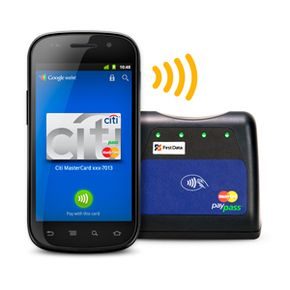
The most common form is the mobile digital wallet using NFC (Near Field Communication) technology. This allows for quick, easy payments on the go. You wave your phone near a compatible reader. The data transfers. The purchase completes.
This transforms everyday spending. You stop fumbling for cards. You stop worrying about lost cash. You carry your entire financial life in one device.
The technology is ready. The security is there. The convenience is undeniable.
Why are we still carrying leather?
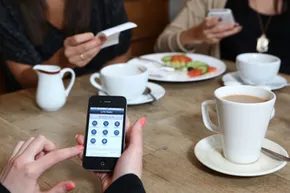
You can break down digital wallets into two main buckets: client-side and server-side. Both types include options that lock you into specific vendors and others that work with almost any merchant. But the difference in who holds the data changes everything.
The Client-Side Approach
Client-side wallets live on your device. You download the app or program. You input your payment details, shipping address, and any other relevant info. It all sits on your hard drive.
When you hit checkout at a compatible site, the software fills in the blanks. No more typing. This speeds up impulse buys significantly. It also makes spending money easier. Dangerously easy.
The Server-Side Alternative
Look at server-side wallets like Visa’s V.me. The data doesn’t go to your computer. Visa stores and maintains everything on their secure servers.
Shopping here is fast. You enter your V.me email and password. The transaction completes. The store gets paid from the card you selected. You never type your card number. You never expose it to risk.
V.me isn’t limited to Visa. It holds data for MasterCard, Discover, and bank accounts. Shipping info stays with it, too.
Why Merchants Prefer Server-Side
The vendor backs the account. You don’t lose plastic cards. You don’t risk physical theft. Fraud rates drop. This helps the retailer and the buyer.
Merchants like server-side wallets because of standardization. Client-side software varies by developer. Incompatible formats cause friction. Buyers and sellers both hate the glitches. That friction is why server-side options are gaining momentum.
Moving Beyond the Desktop
Paying at a desk is different from paying on the go. The next step is mobile. Digital wallets are moving to phones. They put significant financial power in your pocket.
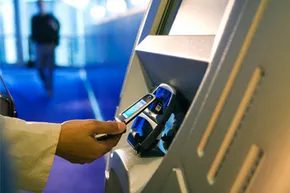
You already know the relief of skipping the manual entry of a 16-digit credit card number while sitting at your desk. A desktop digital wallet saves you the repetitive strain. But take that same convenience into your pocket. A mobile digital wallet transforms payment behavior because it works anywhere you go, not just in front of a computer screen.
Smartphone adoption has crossed a significant threshold. Over half of Americans now own one, and industry experts predict that number will only climb. The real game-changer isn’t just the screen size. It is the hardware embedded inside. Many of these devices now feature an NFC (near -field communication) chip. This tiny component is the backbone of the mobile payment infrastructure.
By 2015, estimates suggested nearly half of all smartphones would include NFC capabilities. If that term feels unfamiliar, it is about to become ubiquitous.
The Physics of Proximity
NFC relies on electromagnetic induction. The range is incredibly short. We are talking a few centimeters. This physical limitation is actually a security feature.
When you use NFC for payments, you are interacting with a POS (point-of-sale ) terminal. You tap your phone against the reader. The device then prompts you for a PIN. That is the core mechanic behind Google Wallet.
Google Wallet remains the most visible player in the US market. It stores your credit card data on Google’s servers, not locally on your device. This adds a layer of abstraction. The app also functions as a traditional online wallet, similar to PayPal. You log into your password-protected account and checkout takes seconds rather than minutes.
Market Penetration and Infrastructure
Adoption rates depend entirely on merchant readiness. Currently, Google Wallet is the only NFC-based system gaining real traction in the United States. Why? Because approximately 150,000 merchants have installed Wallet-ready payment kiosks.
Without compatible systems, merchants cannot process digital wallet payments. The infrastructure gap is a massive hurdle.
Other companies are attempting to close that gap. Isis Mobile Wallet (now known as Softcard, though the article context implies the original branding) serves as a direct competitor to Google. It is backed by major wireless carriers including Verizon, AT&T, and T-Mobile, along with Deutsche Telekom.
Isis also relies on NFC technology. Consequently, it faces the exact same challenges regarding weak NFC infrastructure. The technology works, but the physical terminals are not everywhere yet.
The Anti-NFC Alternative
Not all digital wallets rely on proximity. Some systems are intentionally anti-NFC.
PayPal has positioned itself this way. They operate at major brick-and-mortar stores such as Home Depot and Office Depot, among a dozen others. The process is different. You do not tap your phone.
Instead, you set up your account online. At the register, you simply provide your mobile phone number. Then you punch in your PIN. That new countertop or office chair is yours. This method bypasses the need for expensive NFC upgrades at the point of sale.
The Trust Deficit
Regardless of the payment method, digital wallets face significant hurdles. Consumer trust is not yet guaranteed.
Security concerns plague everyone considering trading their leather wallet for a stream of bits and bytes. The next logical step in this analysis involves examining the specific fears and vulnerabilities that slow adoption.
Why Be Wallet Wary?
The Reality of Digital Wallet Security
People panic about digital wallets because the headlines are scary. Hackers. Stolen identities. Empty bank accounts. It’s easy to picture a masked villain draining your life savings through a smartphone screen.
But the reality is more complex than a movie plot.
A digital transaction isn’t a straight line. Your data hits the hardware. Then the operating system. Then the payment app. Finally, it reaches the source—your bank or PayPal. That’s four distinct touchpoints.
More parties mean more potential failure points. One weak link can compromise the whole chain.
Yet experts argue that digital wallets beat physical cash and cards every time.
Lose a stack of cash? It’s gone forever.
Have a credit card skimmed at a gas station? The thief spends it before you even know it’s missing.
Digital wallets don’t just rely on luck. They have built-in redundancies.
Digital certificates act as digital IDs. They verify who you are and who you’re talking to. They also allow for encrypted replies. This isn’t just theory. It’s standard protocol for both online and offline purchases.
Then there’s the hardware.
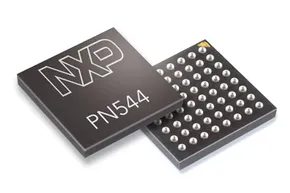
NFC-enabled phones have a specific chip called a secure element. This isn’t a general-purpose processor. It’s a isolated environment designed for one thing: financial security. It houses the data needed to start and finish a transaction.
Even if a hacker steals your phone and knows your PIN, that chip remains locked. The data inside is rigorously guarded.
Here’s the part that breaks conventional logic: NFC doesn’t need battery power to work.
The technology borrows energy from the magnetic field of the terminal. You’re running a dead phone? You can still buy groceries. You can still pay for a cab home.
It sounds too good to be true.
That’s because the market is about to get messy.

The Corporate Standoff Slowing Digital Adoption
The race to dominate your pocket is fierce. Tech giants and financial institutions are throwing everything they have at the market. Google. Apple. Visa. MasterCard. Verizon. AT&T. Square. PayPal. They are all circling your digital wallet like sharks.
It isn’t just about brand recognition. It’s about lock-in.
These companies form alliances to corner the market. PayPal linked up with Home Depot. Square partnered with Starbucks. Google Wallet initially leaned on MasterCard. The strategy is simple. Get you to adopt their specific wallet first. Once you do, switching costs become psychologically high. You stay. You stay put.
But here is the problem. The United States and most of the global market are trailing far behind Japan and South Korea in digital wallet adoption.
Why the lag? Look at the landscape. It is messy. Convoluted. A mess of conflicting interests.
Why the Digital Wallet Wars Stall Progress
Stakeholders range from smartphone makers to banks, credit card issuers, and wireless carriers. Every single one wants a slice of the profit pie. Almost none can agree on a business model that satisfies the others.
This standoff has a name: the “digital wallet wars.”
It is not theoretical. It has real-world consequences for consumer choice. Consider Verizon. Some of their phones are technically equipped to run Google Wallet. They cannot. Verizon disabled the app.
Why?
Verizon is developing its own payment system called Isis. Isis competes directly with Google Wallet. They will not help a rival succeed on their network. This is just one example of the business model juggling act. It creates an overcrowded, confusing marketplace.
Consumers are left guessing. How do you choose between Google Wallet, PayPal, or the dozens of other options? There is no clear winner. The noise is deafening.
The Hardware Hurdle: Why NFC Isn’t Ready Yet
The confusion is worse for NFC-based wallets. Near Field Communication sounds simple. Tap your phone on a reader. Done.
In reality, very few vendors are equipped to accept this form of payment. The obstacles are not just technical. They are economic. The “digital wallet wars” mean no one is willing to move first. No one wants to bear the cost of upgrading their hardware without a guarantee of volume.
This lack of coordination means it will be a while before you can ditch your leather-bound wallet. A decade, at minimum, before the digital wallet dream comes true.
Until then, it remains a novelty. You will keep your cash. You will keep your cards. The outcome of these corporate battles will determine the form of money you use for decades. But right now? The path is unclear.
Frequently Asked Questions
Can digital wallets be used for cryptocurrency transactions?
Yes. Many digital wallets now support cryptocurrency transactions. They allow users to store, send, and receive various cryptocurrencies alongside traditional funds.
How can digital wallets improve financial inclusion?
They provide banking services to unbanked or underbanked populations. This offers easy access to financial transactions without the need for traditional bank accounts.