
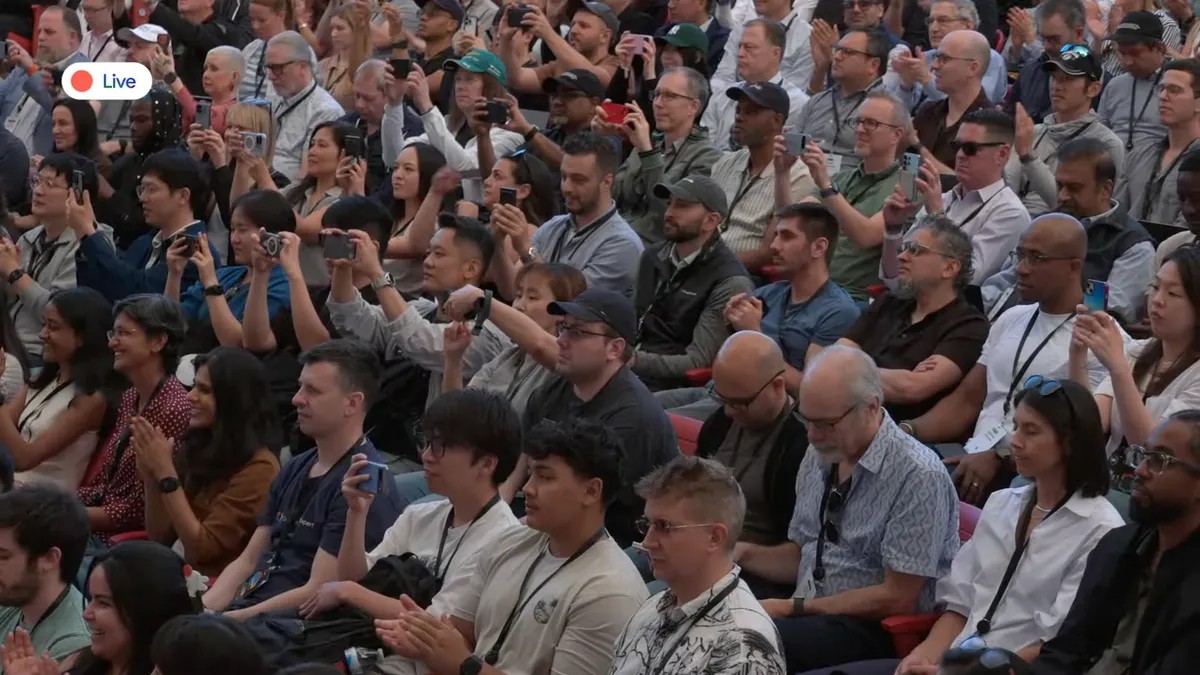
I drove into Mountain View expecting noise. The kind of loud, polished hype that drowns out actual thought.
It was my first Google I/O. Four days ago.
Sure enough. The “agent-first” gospel. The glossy stage. But underneath the veneer. The city felt split.
Inside? Glitter. Executives selling travel hacks. AI planners scheduling perfect parties. It looked easy. It looked rich. Outside? The queue for a rideshare moved slow. The air was heavy with something else. Pragmatism.
My driver picked me up from the airport. Palo Alto streets blurred. I asked about town life. He mentioned he’d just gotten the axe. At Google.
Polite. Quiet. He talked about full-time driving now. Family support. No anger. Just the reality of surviving after the layoffs hit. Then he asked about the tech. About the innovation they were all touting inside those tents.
It stuck with me. A human cost against a backdrop of aspirational marketing. On stage, the 1% were being catered to. Off stage, folks were trying to pay rent while inflation bit hard.
Who is this tech even for?*
That’s the question.
Andrew Lanxon nailed it earlier this week. He pointed out the weird vibe of ads assuming we’re all fit, young, and obscenely wealthy. Paris Hilton dropped in because… why not?
It feels alienating. Marketing is supposed to stretch your imagination. Not make you feel inadequate for existing in a world without millions of dollars in your bank account.
I took this tension to Sameer Samat. He’s president of the Android ecosystem at Google. We sat down.
I asked him point-blank about the backlash. The sense that this stuff isn’t for regular people.
His answer was steady. Intentionality. That’s the keyword. Making tech accessible. Useful in daily grind. Not just shiny toys.
With Android 17 coming. The goal is time. Give people their hours back.
Samat gave examples. Grounded ones. Using XR glasses to fix an air conditioner instead of reading a manual. Helping with IKEA assembly. Homework help. These resonate. They solve problems. Real problems.
So. Where were these moments during the keynote?
Gone.
Product teams build for utility. Marketing builds for wonder. They pull in different directions. It gets confusing. Which audience are you talking to?
Maybe there are three fixes. Simple shifts.
- Stop the montages. Pick one concrete problem. Show it end to end. A nurse accessing patient notes hands-free. A dad fixing a leak. Believable stories beat vacation reels. Every time.
- Bring in real humans. Cut the celebrities. Invite someone who uses this tech in their job. A mechanic. A teacher. Authenticity builds trust better than any actor can.
- Talk money. If it costs a lot. Say it. Pair it with trade-in plans. Community partnerships. Affordable paths matter.
I left with mixed signals.
The storytelling missed the mark. It ignored the realities of most of us. The laid-off engineers. The drivers. The rest of us living with this tech.
Fixing the mundane is powerful too. Maybe even more so than the dazzling. Grounding the narrative would help. It would feel honest.
Less fantasy. More ordinary life.
Does Google get it yet?
Maybe not today.