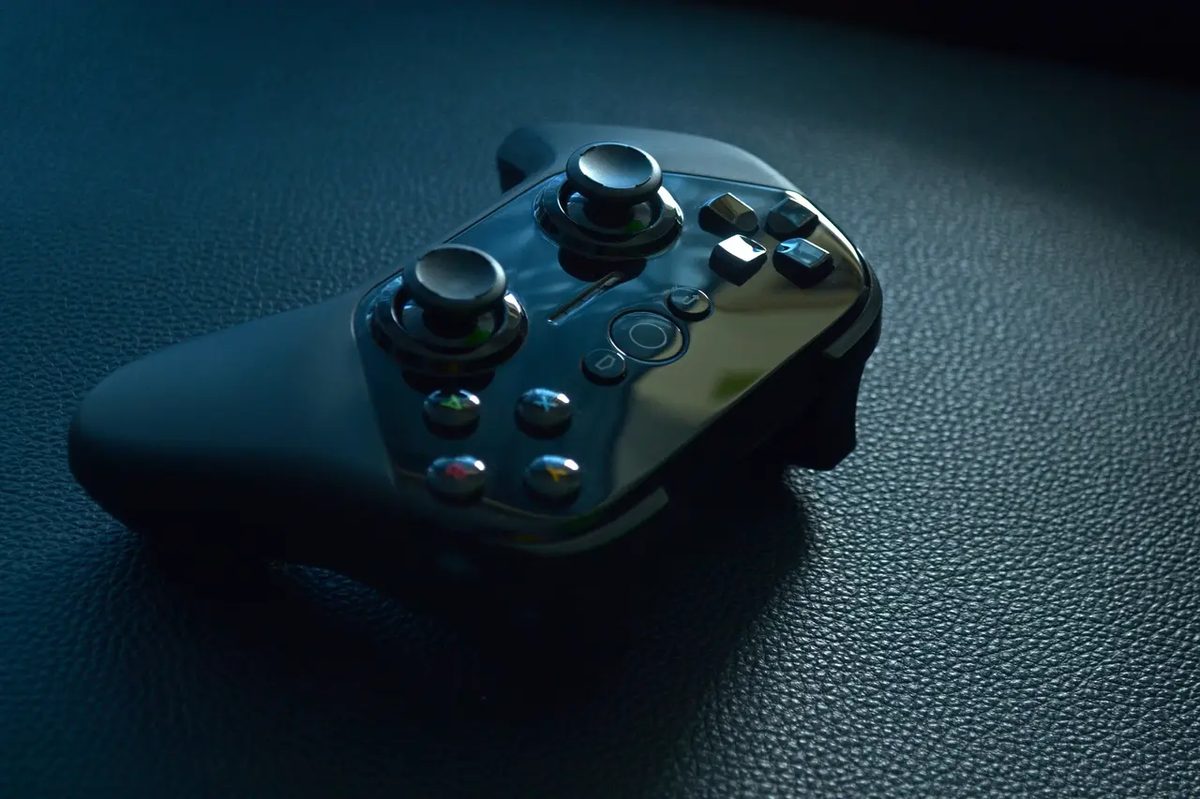
Video games are not just toys. They are electronic systems built on a simple loop of input and output. You press a button. You tilt a controller. You wave an infrared sensor. The machine reacts. It sends back visuals, sound, and sometimes even physical vibration through haptic feedback. This response lands on a screen, a TV, a monitor, or a VR headset. It is a cycle of action and reaction that defines the medium.
Why the definition of ‘video game’ is breaking down
Here is the problem. The term “video game” has become a catch-all bucket. It swallows up experiences that have almost nothing in common except that they run on code. There are as many genres as there are titles. Each one operates with its own internal logic. Its own rules. Its own reason for existing.
This makes the landscape confusing. For hardcore gamers, it is a source of endless taxonomy. For outsiders, it is a wall.
Consider this. If you grew up inside the video game bubble, what happens when you step out? You might not understand why we classify cinema and television as separate media. Compared to the sheer variety of what we call games, movies and traditional TV look remarkably similar. They are linear. They are passive. They have beginnings and endings. Games? Not so much.
Video games are a hybrid. They are sports played on a computer. They are interactive films. They are digital board games. They are digital card games. They are clumsy, hilarious simulations of daily life. Some are high art. Others are pure, unadulterated competition. They are designed to make players clash against each other or against the system.
But it does not matter what you call it. They are all video games. The boundaries are blurry because the medium is expanding faster than our language can keep up. We are trying to fit a square peg into a round hole called “entertainment.” And it fits. Poorly. But it fits.
Think about the last time you played something. Was it Tetris? A Call of Duty match? The Sims? Pokémon? Did you stop to analyze the genre? Probably not. You just played. And that is the point. The definition is irrelevant to the experience. The experience is the only thing that matters.
So where does that leave us? With a massive, chaotic, beautiful mess of interactive media. And we are still trying to figure out how to name it.
The term “video game” has become a catch-all bucket. It swallows up experiences that have almost nothing in common.
The medium is alive. It is changing. And it is not stopping.

Why your favorite games are actually three different products
It is frustrating. You sit down to play a game, and the community immediately starts arguing. Is it a game? Is it a toy? Is it a competitive sport? The word “game” has become a battleground for endless online debates. People argue whether an interactive experience without skill requirements truly deserves the label. The friction is real. The labels are blurry.
Look at Call of Duty. You think it is one thing. It is not. It is a franchise with at least three distinct products hiding under one logo. First, there is the linear campaign. You play alone. You follow a story. It is a scripted experience. Then there is the competitive multiplayer. That is a completely different beast. It relies on reflexes, strategy, and winning against other humans. Often, you get a third option. Co-op mode. You fight zombies or aliens with friends.
These modes belong to the same “genre” in a store listing. But they are not the same product. They target different players. The campaign player wants narrative. The multiplayer player wants dominance. The co-op player wants chaos with friends. They are distinct experiences packaged together.
NBA 2K takes this fragmentation further. It is an annual franchise, yes. But inside that box, you have multiple games. You can just shoot hoops. You can simulate a full team management career. You can even collect digital cards. Each mode appeals to a different psychological trigger. One is about immediate action. One is about long-term strategy. One is about collection and trading.
The industry lumps them together for marketing. Stores list them as one SKU. But the user experience is fractured. You might buy NBA 2K for the card collecting. You might hate the basketball gameplay. That is normal. The friction comes from treating all these modes as identical. They are not. They are separate games in disguise.
Why does this matter? Because it changes how we judge success. A game can be “bad” at basketball but “great” at management. The critics might pan the shooting mechanics. The fans might praise the card economy. Which review counts? The one for the main mode? The one for the secondary content?
The labels are tools. They are not truths. A “game” is whatever you play. If you are collecting cards in NBA 2K, you are not playing basketball. You are playing a trading card simulator. The name is misleading. The packaging is lazy. But the reality is complex.
Next time you download a title, look closer. See the layers. The franchise is the brand. The mode is the game. They do not always align. The debate will continue. It always will. The definition will keep shifting. That is the nature of digital media. It refuses to stay still.