



AI is everywhere now. In hospitals, specifically.
It helps stretched nurses. It aids doctors with diagnostics. It streamlines workflows that were choking before the digital shift. But there’s a problem. A big one. The regulations haven’t caught up. Not even close.
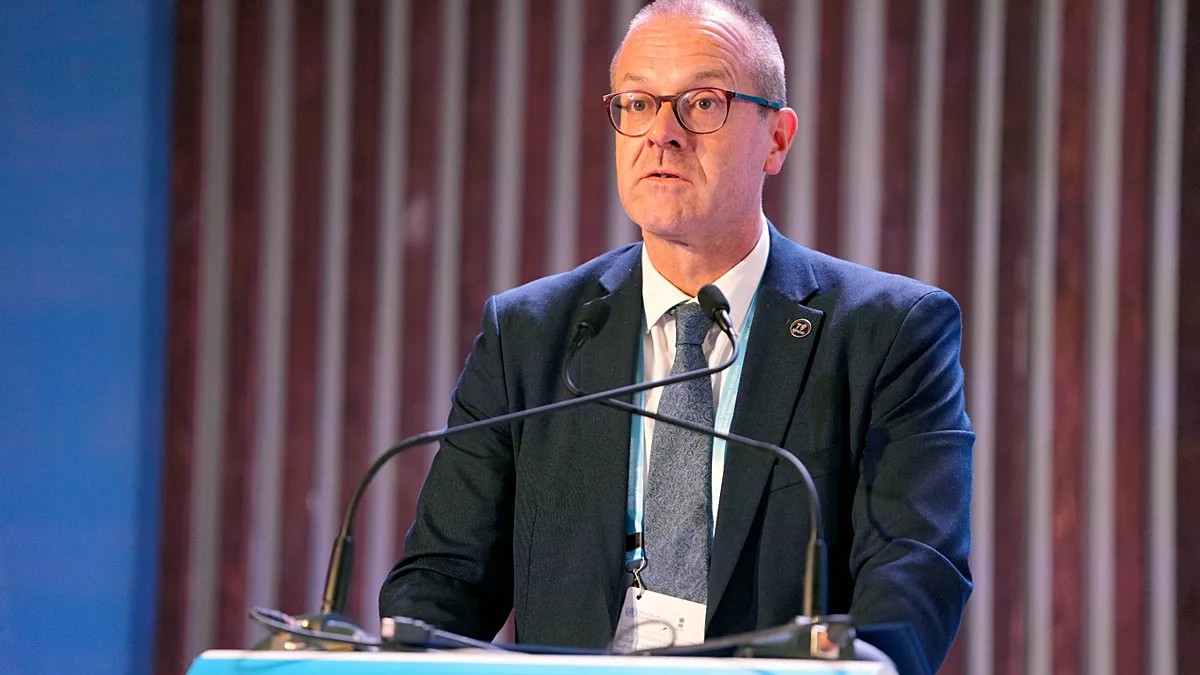
Hans Henri P. Kluge, the WHO chief for Europe, says we’re deploying tech faster than we are building guardrails. He didn’t mince words in Lisbon on July 15. That disconnect? The gap between using AI and governing it? It’s the main challenge right now.
“A biased algorithm can produce a wrong diagnosis,” Kluge warned, “for a real patient, with real consequences.”
Think about that.
Right now, two-thirds of the 53 countries in WHO Europe are using AI diagnostics. Half have those patient chatbots. Cool features, sure. But look at the other side. Only one in twelve has a strategy to actually manage this tech.
Just 8% have a specific AI strategy for health. Roughly 40% have zero ethical guidance on how to use AI in care settings. Scary? Yeah, Kluge thinks so too. It erodes trust. Slowly, steadily.
Education is almost worse. Only one in five countries teaches AI to medical students. Once those students graduate and get jobs, only one in four countries offers them training on the tech they’re supposedly using every day.
Why does that matter? Because mistakes happen. Bias sneaks in. And when the system fails, it’s a human who suffers.
So, what’s next? WHO is aiming for 2028. They plan to launch a roadmap on AI and health. Four years feels like an eternity in tech, doesn’t it?
The tools are working. The patients are waiting. The rules? Still writing. 🏥


