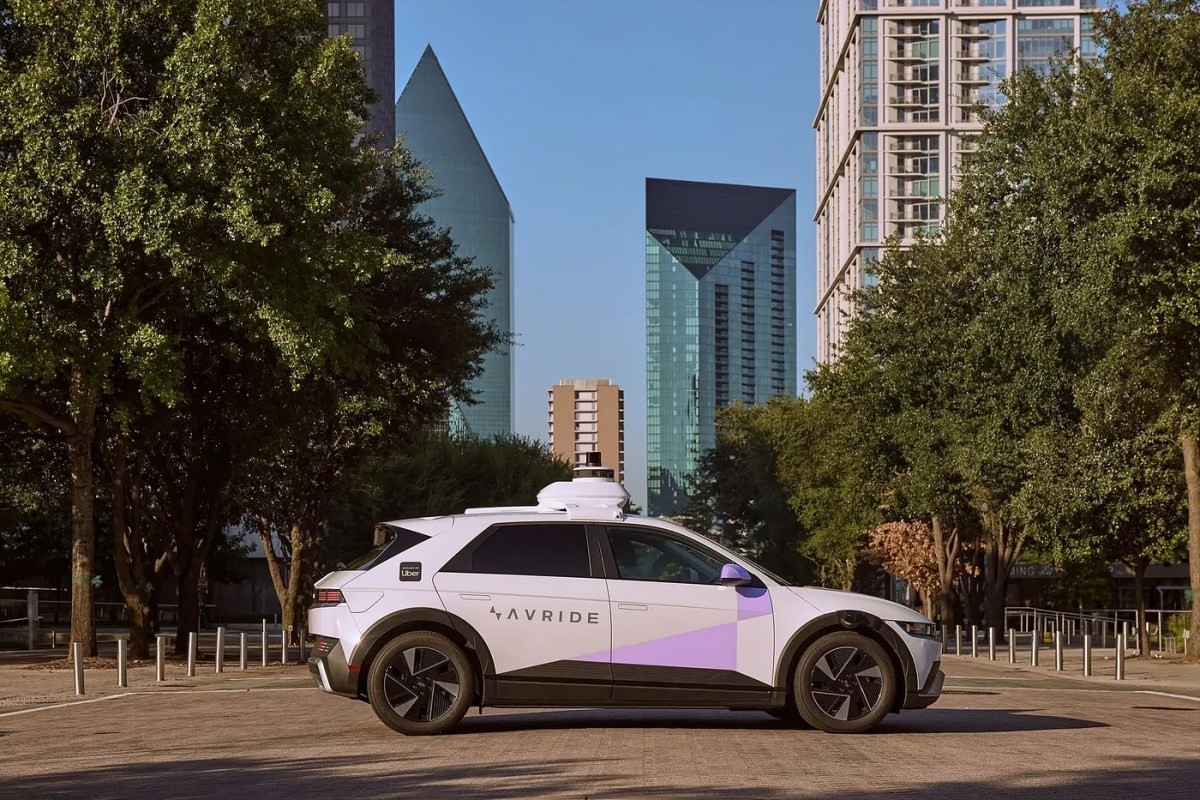
The National Highway Traffic Safety Administration (NHTSA) has launched a formal investigation into Avride, the autonomous vehicle company behind Uber’s robotaxi service in Texas. The probe follows the identification of 16 crashes and one minor injury linked to failures in Avride’s self-driving software.
This development highlights the growing regulatory scrutiny facing the autonomous vehicle industry as major players like Uber and Waymo scale their operations. While safety monitors were present in the driver’s seat during all incidents, the regulator found that the vehicles’ automated systems struggled with basic driving maneuvers, raising questions about the effectiveness of current safety protocols.
The Core Issues: Software Competence
According to the NHTSA’s Office of Defects Investigation (ODI), the crashes stem from deficiencies in the “competence” of Avride’s automated driving system. Video reviews conducted by the regulator revealed several recurring errors:
- Erratic Lane Changes: Vehicles frequently changed lanes into the path of other cars traveling in adjacent lanes or directly into nearby traffic.
- Failure to React to Obstacles: The system failed to slow down or stop for slow-moving or stationary vehicles ahead, as well as for vehicles entering its lane.
- Collisions with Static Objects: Robotaxis struck stationary objects partially blocking the lane, including a dumpster in at least one incident.
Despite these failures, safety monitors were present in the driver’s seat during every crash. Avride has declined to explain why these human supervisors did not intervene to prevent the collisions. The company stated that it reported the incidents as required by the NHTSA’s 2021 Standing General Order on automated driving.
Avride’s Response and Growth Strategy
Avride, a subsidiary of Nebius (formerly Yandex NV), maintains that it is actively improving its technology. In a statement, the company highlighted that it has implemented “targeted technical and operational mitigations” following each incident between December 2025 and March 2026.
“Our total operations have continued to grow, while the frequency of incidents relative to our mileage has steadily declined,” Avride stated.
The company has significant backing, with Uber and Nebius committing up to $375 million in strategic investments to Avride in 2025. This financial support underscores the industry’s aggressive push to scale autonomous services, even as safety challenges emerge.
Context: A Industry-Wide Scrutiny
The investigation into Avride arrives just months after Uber began offering rides in Avride robotaxis in Dallas, Texas—the location of many reported crashes. Other incidents occurred in Austin, Texas. At least one crash involved a paying passenger, and one resulted in a minor injury when an Avride-equipped Hyundai Ioniq 5 clipped the open door of a parked pickup truck in December 2025.
This probe is part of a broader trend of increased regulatory oversight for autonomous vehicles across the United States. Competitor Waymo is currently under investigation by both the NHTSA and the National Transportation Safety Board (NTSB) for separate incidents, including a crash involving a child and alleged illegal maneuvers around school buses.
As the industry moves from testing to widespread deployment, regulators are closely examining whether current safety systems can handle complex real-world scenarios. The Avride investigation serves as a critical test case for how effectively human oversight and automated systems can coexist to prevent accidents.
Conclusion
The NHTSA’s investigation into Avride signals a tightening of regulatory standards for autonomous vehicles. While companies argue that incident rates are declining relative to mileage, the presence of safety monitors who failed to intervene in multiple crashes suggests that significant gaps remain in both software reliability and human-in-the-loop protocols. As Uber and other tech giants expand their robotaxi fleets, the ability to demonstrate consistent safety will be paramount for continued operational approval.