




















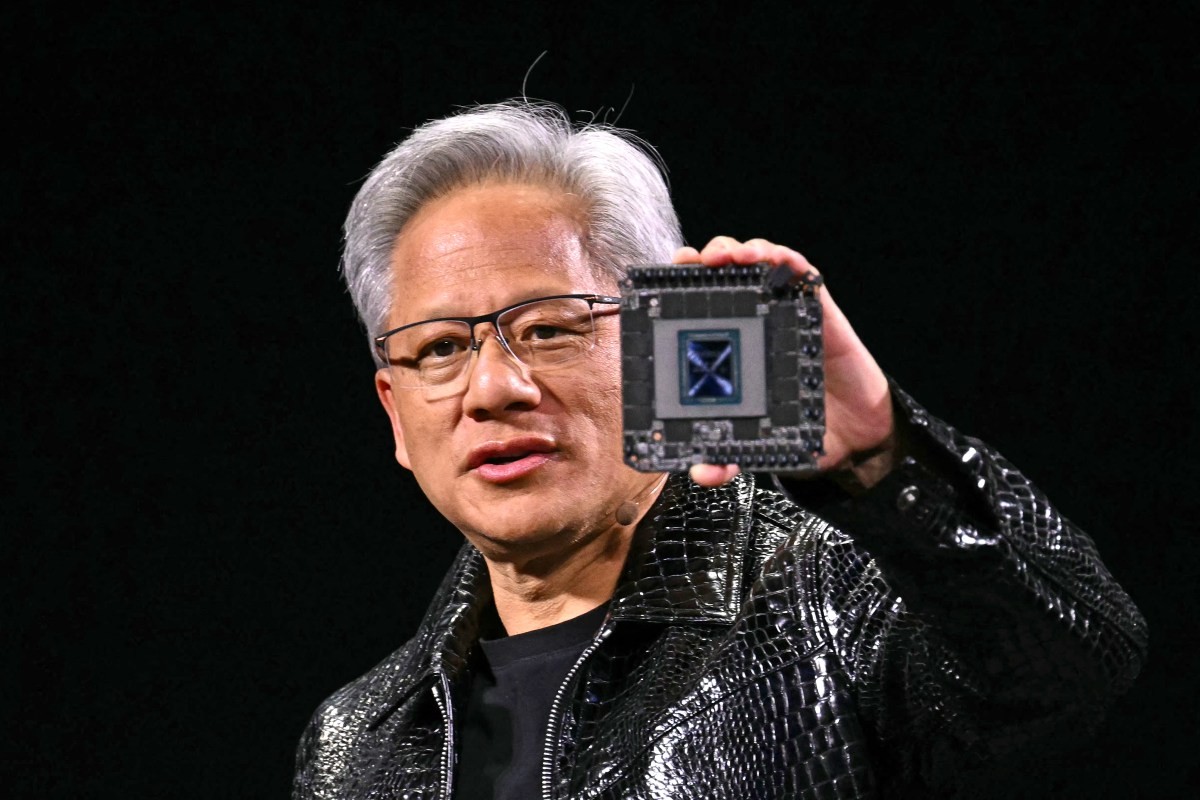
Nvidia has deepened its control over the semiconductor industry by investing $2 billion into Synopsys, a critical provider of chip design software and tools. This move integrates Nvidia’s artificial intelligence (AI) hardware directly into Synopsys’ electronic design automation (EDA) platform, accelerating chip development workflows.
The Strategic Partnership
The investment, made at $414.79 per share, is part of a multi-year collaboration aimed at transitioning Synopsys’ traditionally CPU-based software to leverage Nvidia’s more powerful GPUs. This shift promises faster simulation and design cycles, essential in today’s competitive chip market. Nvidia stands to benefit by becoming an indispensable part of the entire chip creation process, from design to manufacturing.
Context and Industry Trends
This deal comes amidst increased scrutiny of interconnected investments within the AI sector. Some analysts warn of a potential bubble, as companies like Nvidia invest heavily in their suppliers to secure supply chains and maintain dominance. The move also signals a broader industry trend: AI is no longer just about finished products; it’s about controlling the tools used to make those products.
Synopsys’ Challenges and Opportunities
The investment provides a major boost to Synopsys, which recently reported weaknesses in its intellectual property (IP) segment. This decline was linked to U.S. export restrictions and difficulties with a key customer. The Nvidia partnership offers a lifeline, positioning Synopsys to capitalize on the growing demand for AI-accelerated chip design.
This deal isn’t just about faster chips; it’s about who controls the future of chip creation. Nvidia is effectively tightening its grip on the entire semiconductor ecosystem.
Ultimately, Nvidia’s investment in Synopsys reflects a strategic move to ensure its long-term leadership in the AI hardware space, while simultaneously strengthening its position at every stage of the chip design process. This will likely lead to faster innovation but also raises questions about industry concentration and potential barriers to competition.