

















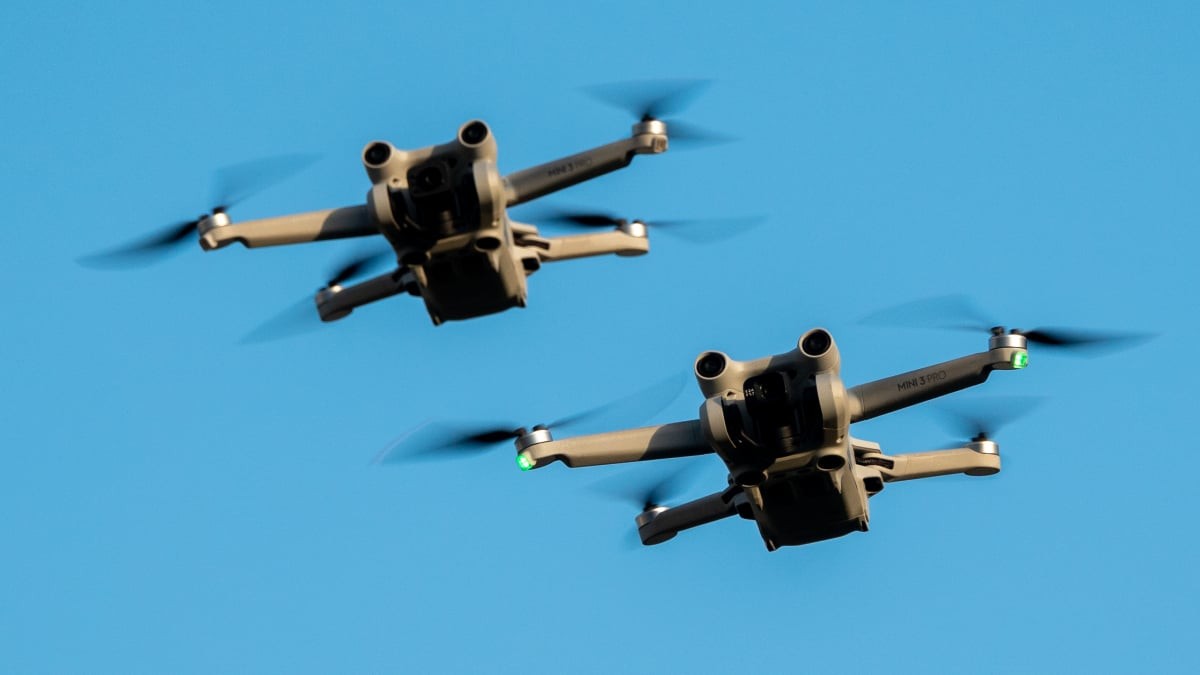
The United States is poised to ban imports from DJI, the world’s dominant drone manufacturer, with a deadline of December 23, 2025. This decision isn’t a sudden shift; it’s the culmination of years of escalating U.S. government scrutiny, driven by concerns over national security and economic competition. The ban threatens to disrupt critical sectors, from agriculture to law enforcement, where DJI drones have become indispensable.
Why a Ban Now?
The ban originates from a provision within the 2025 National Defense Authorization Act (NDAA). The law demands security audits for Chinese-made drones; if these aren’t completed by the deadline, companies like DJI will be effectively barred from selling new products in the U.S. The U.S. Department of Defense has classified DJI as a “Chinese military company,” a claim the company disputes. Beyond the NDAA, Customs and Border Protection (CBP) has already been slowing or blocking DJI shipments, citing alleged forced labor concerns – though DJI denies these claims.
This isn’t simply about security; it’s also about leveling the playing field for American drone manufacturers. As Adam Welsh, DJI’s Head of Global Policy, stated, “This is about forcing the biggest manufacturer of drones out of the market so that American drone manufacturers don’t have to compete with them.”
The Impact: Jobs and Industries at Risk
DJI’s dominance in the drone market is undeniable. Reports indicate the company controls 77% of the U.S. consumer drone market and roughly 70% globally. Welsh estimates that 450,000 to 460,000 U.S. jobs are supported through DJI’s products, spanning agriculture, law enforcement, and other sectors.
The disruption will be significant. A New York Times report highlighted how a DJI ban would severely affect farmers and first responders who rely on DJI technology. The U.S. lacks a readily available domestic alternative at a comparable price point or scale.
What Happens Next?
As of now, DJI drones remain legal to purchase in the U.S., but the situation is fluid. The FCC could retroactively apply its “Covered List” designation to existing DJI products, restricting their operation. DJI itself acknowledges it won’t be able to launch new products in the U.S. after the ban takes effect.
Supply shortages are already visible, with DJI’s online U.S. store showing most products as out of stock. Third-party sellers on platforms like Amazon are the primary source, but availability is inconsistent.
The Search for Alternatives: A Difficult Transition
The U.S. government’s stated goal is to foster a domestic drone industry, but no American company currently offers a consumer-grade alternative to DJI’s market share. Companies like AeroVironment primarily focus on defense and enterprise solutions, not affordable consumer drones.
The reality is that replacing DJI in the U.S. market will be extremely challenging, if not impossible, without significant investment and development in domestic manufacturing. The Trump administration has signaled a commitment to “restoring American airspace sovereignty,” but the practical implications remain unclear.
The DJI drone ban is not just a trade dispute; it’s a strategic move that will reshape the drone industry and likely leave American consumers and businesses scrambling for viable alternatives.