RCP 8.5 sounded like code. To the general public, it meant nothing. To climate journalists? It was the ghost of Christmas future. The apocalyptic baseline. Four degrees of warming. Oceans rising. Humans boiling.
It defined a generation of coverage. Including mine at Time. I used those numbers. I knew they were stress tests, not forecasts, but the distinction gets blurry when you’re writing headlines about the end of the world. RCP 8.5 wasn’t just a scenario. It was the scenario for bad things happening.
Last month, that changed. Scientists officially retired it.
Detlef van Vuuren and forty co-authors published a paper in Geoscientific Model Development. They scrubbed RCP 8.5 out of the mix. It won’t feed into the IPCC’s Seventh Assessment Report in 2029 anymore. Why? Because it became, in their exact words, “implausible.”
“Based on falling clean-energy costs, climate政策, and recent emissions trends.”
You can probably skip the technical jargon. The headline is simpler: The worst-case future we’ve been warned about for fifteen years? It’s off the table. The new central estimate isn’t “good” exactly, but it’s survivable. Roughly 2.8 degrees Celsius by 2100 is the current projection. Compared to four or five? That is progress.
How We Counted To Eight And A Half
Climate models are blind without human input. They can’t guess what we’ll do with the planet. So scientists build paths. Scenarios. Structured guesses about energy, population, and policy.
In 2011, the IPCC standardized four scenarios. Three involved trying to fix the mess. One didn’t. RCP 8.5 imagined a world where coal use quintupled. Where the global population hit twelve billion. A “no-policy” nightmare.
It worked too well. Between 2011 and2020, over two thousand impact studies defaulted to RCP 8.5 Every headline about crop failures. Mass displacement. Heat death. They leaned on it. Researchers called it “business as usual.” Journalists treated it like a prediction.
The line blurred. It was a stress test, not a prophecy. Somewhere between 2011 and today, everyone forgot that difference.
Why The Doom Is Overdue
The RCP 8.5 world didn’t arrive because it physically couldn’t.
Coal use didn’t skyrocket. It plateaued. Population forecasts dropped. The UN expects ten billion people by 2100, not twelve. Fewer mouths to feed means less burning of fossil fuels. Simple math.
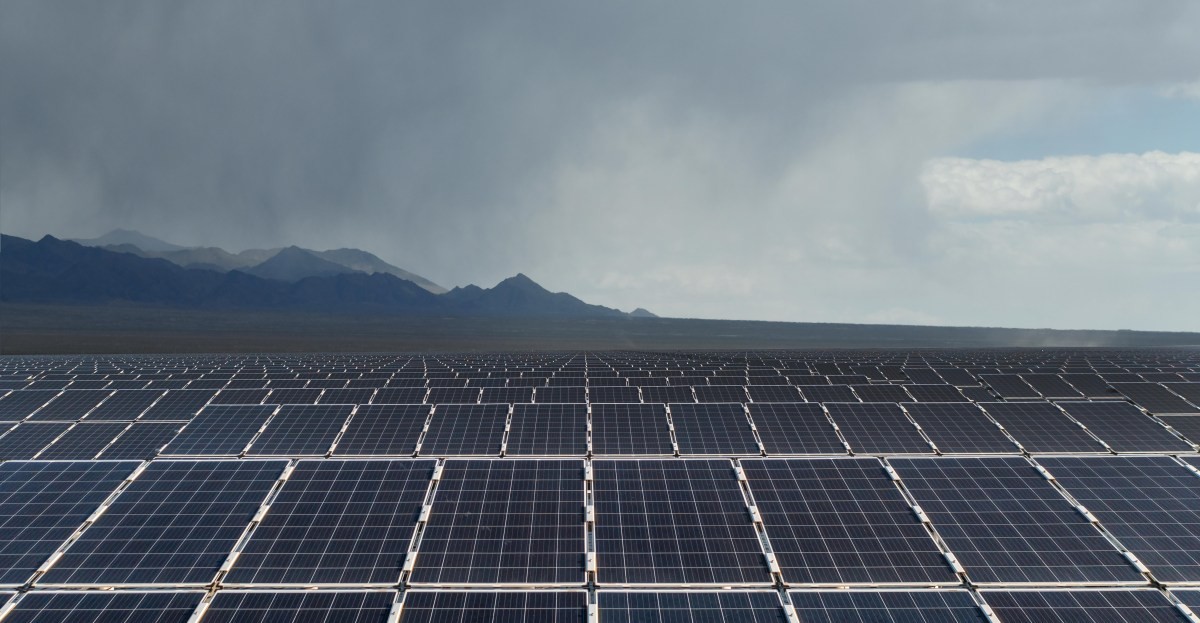
Clean energy also broke the model. Solar power costs have plummeted eighty-five percent since those scenarios were written. Global investment in transition energy exceeds two trillion dollars a year. Actual emissions tracked closer to a world trying to change, not one doing nothing.
Was RCP 8.7 realistic in the first place? Experts split. Zeke Hausfather says we actively avoided it through policy and tech. Roger Pielke Jr argues we never needed to avoid it; it was unrealistic from the start because decarbonization happens linearly, exponentially slower than the doomsayers feared.
Doesn’t matter which camp is right. Both agree: 8.5 is dead.
This wasn’t just a science story. It was a media failure. Remember David Wallace-Wells’ The Uninhabitable Earth in New York? That essay broke the internet in 2017. It was built on RCP 8.95 projections. He revised his view later. But the doom narrative had legs.
In early 20256 alone, thirty new studies used 8.5 daily. We needed a hard stop. Last month provided one.
The Future Is Still Ours
Did we save the world? Not quite. We saved ourselves from the worst of it.
2.8 degrees is still catastrophic. Coral reefs vanish. Species go extinct. Water gets scarce. Coasts shrink. We blew past the 1.5 degrees target set in Paris. 2.0 degrees? Gone. We are looking at significant, manageable suffering instead of unmanageable collapse.
The right hated this. Obviously.
President Trump posted on Truth the day before the paper dropped: “GOOD RIDDANCE!” He called it proof that climate science is wrong. Three exclamation points. Carbon Brief explained why he is mistaken, but the impulse is human. People want the threat to disappear entirely. It’s easy to twist “the worst case is gone” into “climate change is a hoax.”
Don’t take the bait.
Scenarios are just maps of possible futures. There is no single destination. The retirement of 8.5 happened because we chose cleaner energy. Because we chose lower emissions. We pulled the thread back from the cliff edge.
We are still walking forward. Just not into the fire.