IBM France coined the term “coordinates” in 1955. A literal translation felt too narrow, so the French term “computer” was needed. At that time, the English word “computer” meant only scientific machines. The French approach is an exception. Most other languages just borrowed terms from English. Russian uses Компью́тер. Italians and Germans insist on using “computers”. Portugal uses computador. In fact, both “computadora” and “orderenader” are used in Spanish, the latter being directly derived from French.
The vocabulary deficit in the 1950s was real. No one had a good way to describe this miraculous new machine. It came from the work of British mathematician Alan Turing.
How miniaturization drove down costs
The life cycle of a computer is similar to that of a car. It started with the greatest invention of the industrial revolution. High costs mean a narrow customer base. After WWII, only the US had the money to build these things. ENIAC * (Electronic Numerical Integrator and Computer) * is one such beast.
Usage spread slowly. Then the landscape shifted.
- The integrated circuit arrived. In the late 1950s, mid-sized companies could finally afford them.
- Office automation took off in the 1970s.
- The popularity of the Internet grew explosively in the 1990s. Computers entered homes.
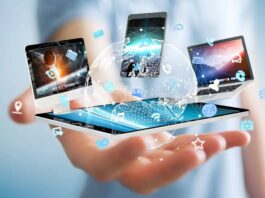
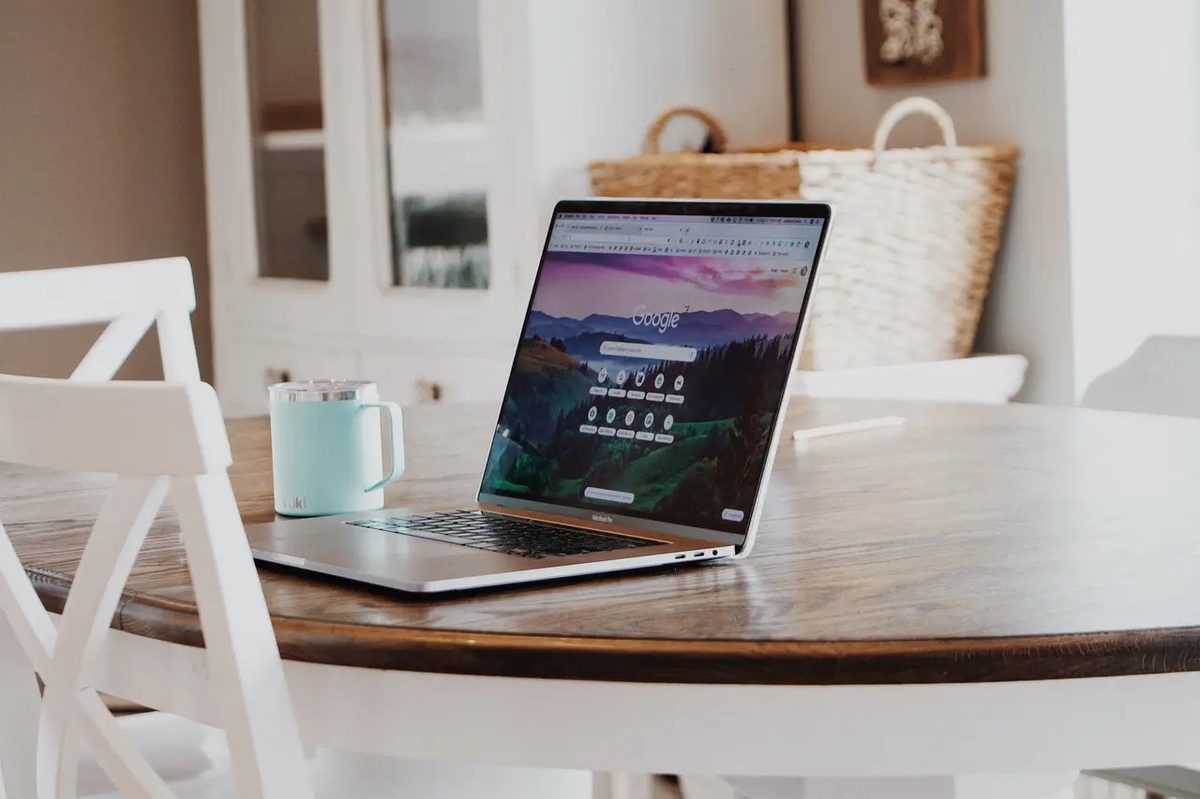
- Today, they are tablets. Smartphones. Laptops.
Computers are no longer factory machines. It’s in your pocket.
Why the French term stuck
Why did French resist the loanword? It’s not just pride. The word ordinateur implies order. It means organization. A computer just calculates. An ordinateur arranges data. That distinction mattered to French speakers. They wanted a word that would reflect the growing role of machines, not only in mathematics, but in information management.
Most languages don’t care. They just copy English. But France held its ground. Now, every time a French-speaker logs in, they use a word coined by IBM’s Paris office nearly 70 years ago.
The cost of progress
The cost curve is the real story here. Early computers were used by governments and researchers. They filled rooms. They cost millions. Integrated circuits changed everything. Suddenly, the silicon was small enough to put on a desk. Then on a lap. Then in a hand.
It’s not just the hardware that changes with this Downsizing. It changed who could use it. You don’t need a PhD to buy a smartphone. You need a credit card. The barriers to entry have collapsed.
What does this do for us?
We take it for granted. But the leap from ENIAC to iPhone was a big one. It happened because of something. Make technology cheap. And it’s small.
Does the word ordinary still have meaning? In French-speaking countries, it does. However, globally “computer” is the default value. This also applies to devices that are invisible to your computer.
Machines have evolved. The name doesn’t necessarily follow.
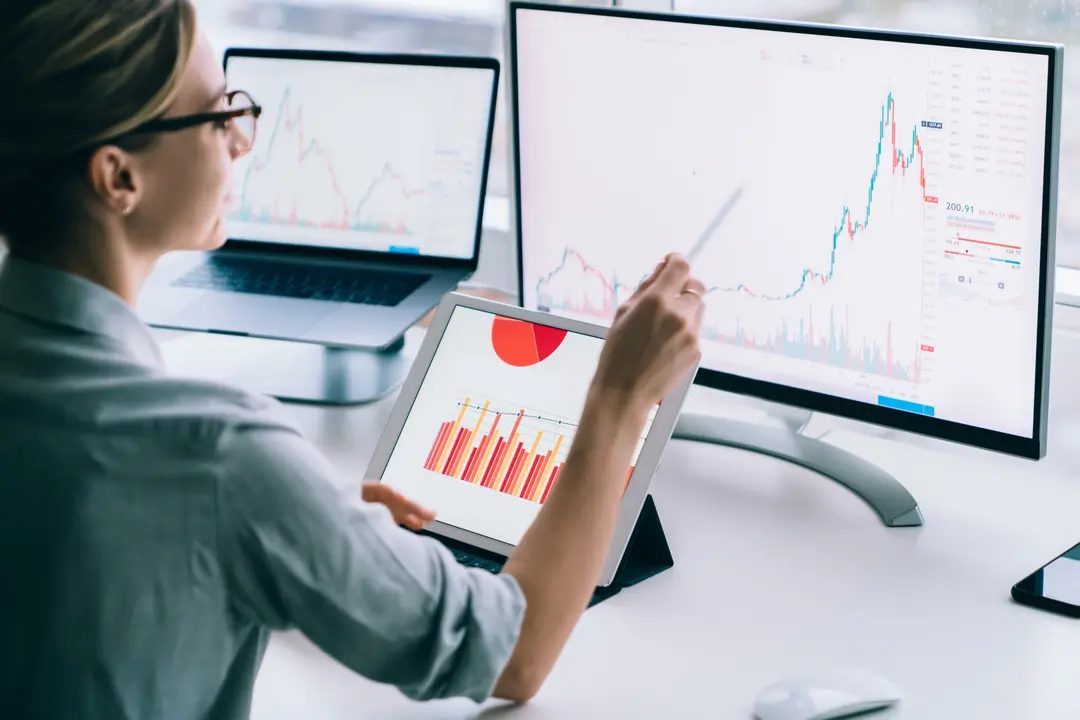
A truth confirmed by Alan Turing: Computers are essentially program-controlled information processing systems. The reading starts sequentially from the moment the power switch is turned on. The machine starts performing binary arithmetic and logical operations. It won’t stop until the circuit breaks.
The entire device is based on a symbiotic relationship between software and hardware. One gives instructions. the other provides the muscle. Think of this as a biological analogy. The hardware is your body: organs, sensory input, and physical infrastructure. Software is the brain. Without the code, silicon is just an expensive stone. With it, the machine thinks.
Software: Instruction set
Software consists of two main elements: programs and data. A program is a set of instructions. These programs analyze and process data. The operating system is at the heart of this structure. It manages resources. Without it, the hardware would not know what to do with the current passing through it.
Good software means more than just looking pretty. It must be reliable. It must perform efficiently. The results must be accurate. Ideally, it should be so simple that it doesn’t require a PhD to operate.
Hardware: Physical Engine
The equipment is tangible. It receives commands from the software and executes them. Several components work together here.
- The processor handles the actual data processing.
- The motherboard supports all other components.
- RAM works as a short-term storage space.
- The video card and monitor handle the visual output.
- You can type commands with the keyboard.
These parts don’t just sit there. They interact all the time. The processor extracts the data from the RAM memory, processes it and sends the results to the graphics card for display. This is a cycle. A never-ending cycle of fetch, decode, and execute.
Cleaning Your Computer: Physical vs. Digital
Your computer gets dirty. Not just in terms of a messy desk, but literally. The fan is blocked by debris. Heat builds up. Performance decreases. There are two options for maintenance: physical cleaning and digital scrubbing. Or both.
Physical Maintenance
Dust is the enemy of thermal efficiency. Use a can of compressed air to blow out the fan. Don’t just wave it around. Get into the vents. If any component is faulty or outdated, replace it. Old hardware can slow down the entire system. It’s not a question of if, but when.
Software maintenance
Digital clutter slows things down too. Malware hides in the background. Temp files accumulate. Free tools like CCleaner, CCEnhancer, and AdwCleaner can help. They remove junk files and track unwanted programs. However, there is a catch here. Software alone cannot fix a broken driver or a dying hard drive.
In some cases, it is best to call in a professional. Do-it-yourself repairs can be harmful. One wrong click in the registry and your system is bricked. Is it worth the risk? It depends on your skill level. If you don’t want to dig into your system files, pay someone to do it for you.
When something goes wrong, the line between user and machine blurs. You stop looking at tools and start looking at puzzles. A puzzle with missing pieces. And sometimes, the only solution is to start over.