
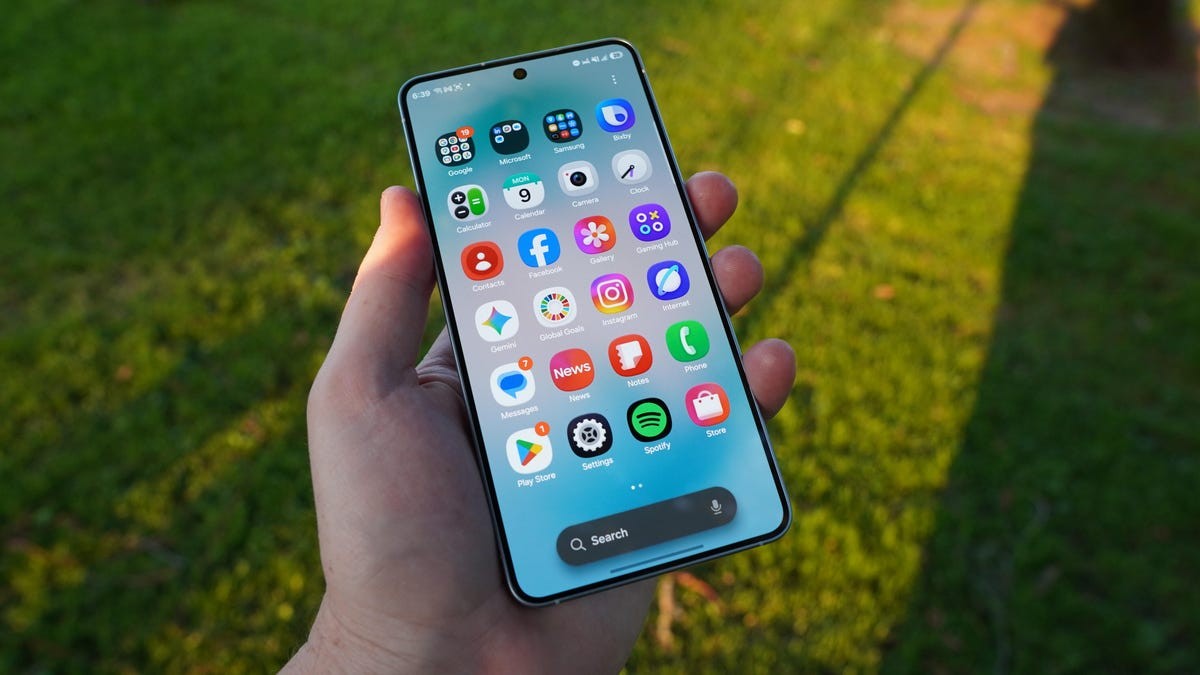
In an era where most consumer electronics are expected to depreciate, smartphones are bucking the trend. Instead of getting cheaper as they age, many devices are seeing unprecedented price hikes. A combination of RAM shortages, shifting tariffs, and global inflation has created a market where even months-old models can see price increases of up to $200.
This “sticker shock” is not isolated to the mobile industry; it is part of a broader trend affecting the entire electronics sector, including gaming consoles like the PlayStation 5 and Xbox Series X/S. From Samsung raising the entry price of its flagship Galaxy S26 to Motorola increasing costs on its budget-friendly Moto G line, consumers are facing a new, more expensive reality.
However, you don’t have to succumb to these rising costs. By shifting your purchasing strategy, you can still find high-quality technology without breaking your budget.
1. Break the “Newest is Best” Cycle
The primary driver for most upgrades is the desire for better battery life, more storage, or improved cameras. However, the pace of innovation has slowed significantly. Many flagship models now offer only incremental “quality-of-life” improvements rather than revolutionary changes.
For example, the Samsung Galaxy S26 has faced criticism for its lack of meaningful hardware upgrades. While it offers a slight bump in battery capacity and storage, much of its core hardware—such as the camera suite—is essentially the same as models released two or three years ago.
Smart alternatives:
– Look back one or two years: A Galaxy S24 or S25 often provides nearly identical performance to the newest models at a fraction of the cost.
– Shop via retailers: Instead of buying directly from manufacturers like Samsung, check third-party retailers who often run aggressive sales.
– Maintain your current device: Before buying new, consider replacing your current phone’s battery or offloading old media to a cloud service. This is often much cheaper than a $900 upgrade.
2. Prioritize Software Longevity Over Hardware Specs
When shopping for budget-friendly phones (typically under $500), the most significant risk isn’t the hardware—it’s the software support lifecycle.
Many low-cost manufacturers, such as Motorola, RedMagic, or TCL, often provide only two or three years of security updates. This creates a “hidden cost”: if a phone becomes a security risk after three years, you are forced to replace it much sooner than expected, making the device more expensive in the long run.
What to look for:
– Extended support guarantees: Aim for manufacturers that offer long-term commitment. Samsung’s Galaxy A series offers six years of updates, and Google’s Pixel line can offer up to seven.
– The “Discounted Flagship” strategy: Rather than buying a brand-new budget phone, wait for a previous year’s flagship (like the Pixel 9A) to go on sale. You will often get superior hardware and much longer software support for the same price.
3. Leverage the Refurbished and Used Markets
If you want premium hardware without the premium price tag, there are two distinct paths in the secondary market:
Manufacturer-Refurbished
Companies like Apple, Google, and Samsung sell “refurbished” devices. These are used phones that have been professionally repaired and tested by the manufacturer to meet original standards. While the discounts may not be massive, these devices offer the peace of mind that comes with a manufacturer-backed product.
The Used Market
For the most significant savings, buying used from private sellers or secondary marketplaces is the most effective route. However, this requires more caution:
– Check the battery: Used phones often have degraded batteries. Factor the cost of a battery replacement into your total budget.
– Verify return policies: Always ensure you have a way to return the device if the condition or functionality does not match the description.
The Bottom Line: As smartphone manufacturers move toward higher price points with diminishing returns, the smartest way to save is to prioritize software longevity and consider high-quality older or refurbished models over the latest flagship.