
Zillow has quietly removed climate risk scores from over a million property listings after facing criticism from real estate agents who claimed the data was negatively impacting sales. The move highlights a growing tension between transparency and market interests in the face of escalating climate change impacts.
The Retreat From Transparency
Zillow initially introduced the climate risk data in September 2024, responding to the fact that over 80% of homebuyers now consider climate risks when making decisions. The data, provided by First Street, a climate risk analytics startup, showed potential hazards like flood and wildfire risks. However, the California Regional Multiple Listing Service (CRMLS) successfully lobbied for the removal, arguing that the scores were deterring buyers.
Now, instead of direct scores, listings only include a link to First Street’s data if consumers seek it out – effectively hiding the information by default. First Street spokesperson Matthew Eby argues that this obscures crucial decision-making information: “When buyers lack access to clear climate-risk information, they make the biggest financial decision of their lives while flying blind.” The risk doesn’t disappear; it simply shifts to a post-purchase liability for the homeowner.
Why This Matters: The Unseen Costs of Climate Change
This isn’t just about real estate sales; it’s about the deliberate suppression of vital financial risk information. Climate change is already driving up insurance rates, property taxes, and even making some areas uninsurable. Buyers unaware of these risks could face crippling financial burdens down the line.
The industry’s resistance also underscores a larger problem: official hazard maps are often outdated or underestimate actual risk. A Louisiana State University analysis found that nearly twice as many properties are at risk of flooding than FEMA’s maps indicate. This means buyers relying on outdated data may be unknowingly entering dangerous financial territory.
Industry Pushback and Data Integrity
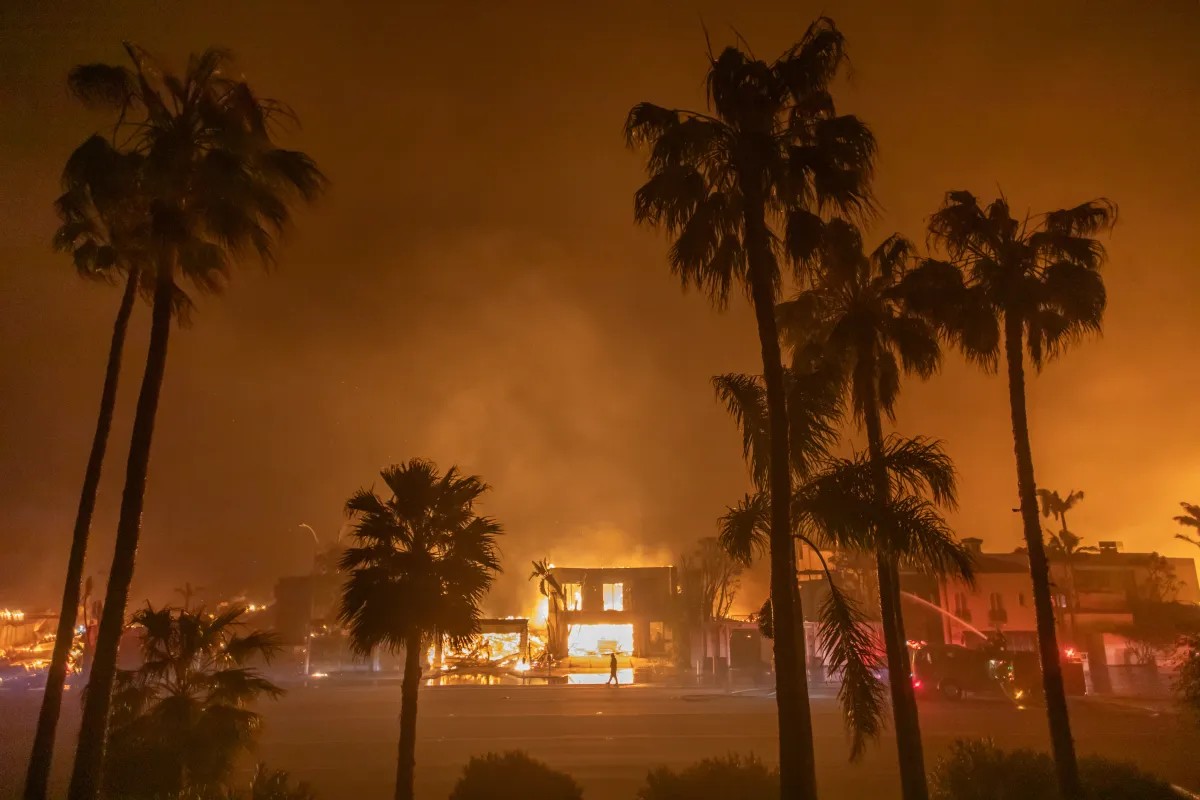
CRMLS CEO Art Carter dismissed the relevance of climate risk scores, suggesting that properties which haven’t flooded in decades aren’t likely to flood soon. This argument ignores the increasing frequency and intensity of extreme weather events driven by climate change. First Street defends its models as scientifically sound, citing successful predictions during the Los Angeles wildfires where its maps accurately identified high-risk properties before official state hazard maps did.
The Bigger Picture: A Race Against Time
The real estate and insurance industries are in a race against worsening weather patterns. Investors and insurers are already using climate data to assess risk, yet consumers are often left in the dark. Zillow’s initial move to provide transparency was a step toward leveling the playing field, but real estate agent objections have effectively pushed the industry back towards opacity.
The underlying message is clear: in many cases, market forces will prioritize short-term profits over long-term risk awareness. This leaves homebuyers exposed to potentially devastating financial consequences while climate change continues to accelerate.