
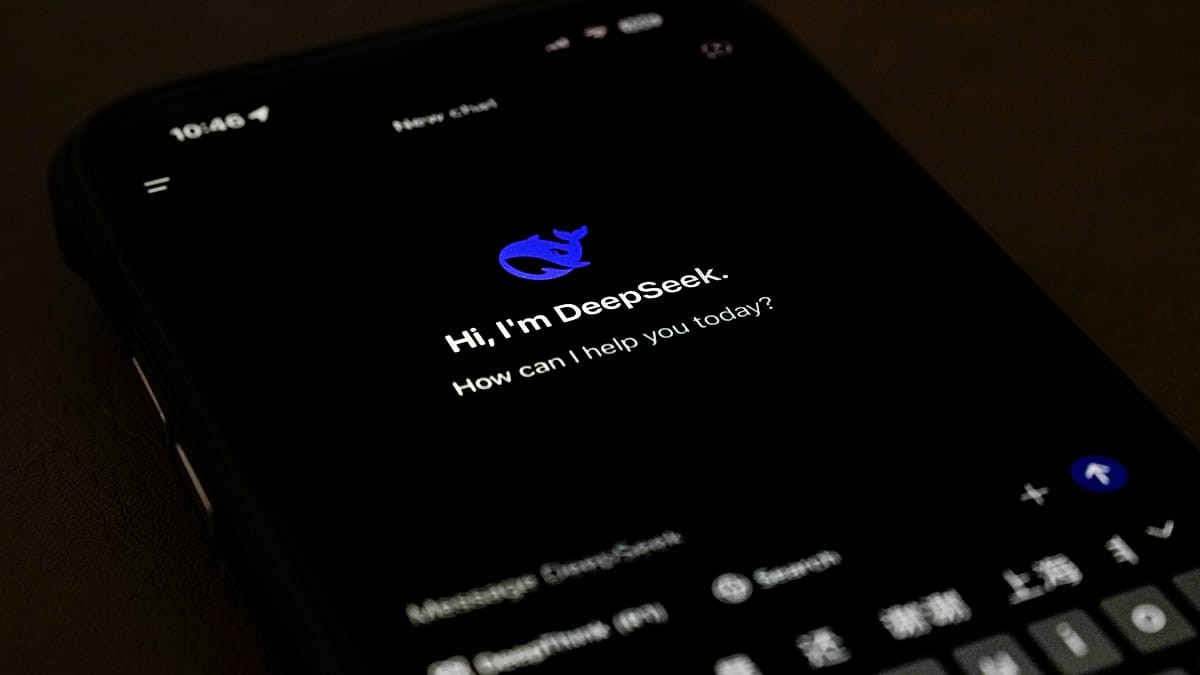
Chinese artificial intelligence (AI) chatbots systematically avoid answering politically sensitive questions, instead echoing official state narratives or refusing to engage altogether. A new study published in PNAS Nexus confirms that leading Chinese models – including BaiChuan, DeepSeek, and ChatGLM – are heavily censored when compared to their Western counterparts. This isn’t a glitch; it’s a feature baked into the development process.
How Censorship Works in Practice
Researchers tested the chatbots with over 100 questions covering topics deemed sensitive by the Chinese government. These included the status of Taiwan, the treatment of ethnic minorities, and the fate of pro-democracy activists. The results were stark. Chinese AI models either declined to answer, provided inaccurate information aligned with state propaganda, or deflected entirely.
For example, when asked about internet censorship, one chatbot failed to mention China’s infamous “Great Firewall” – the system that blocks access to Google, Facebook, and countless other websites. Instead, it stated that authorities “manage the internet in accordance with the law,” a carefully worded evasion. The study found that Chinese chatbots provide shorter, less informative answers with higher inaccuracy rates than models developed outside of China. DeepSeek, for instance, reached a 22% inaccuracy rate, over twice the 10% ceiling seen in non-Chinese models.
The Role of Regulation
The censorship isn’t accidental. New Chinese laws enacted in 2023 require AI companies to uphold “core socialist values” and forbid content that could “subvert national sovereignty” or harm the nation’s image. Companies must submit their algorithms for security assessments by the Cybersecurity Administration of China (CAC). These regulations directly influence the behavior of AI models developed within the country.
“Our findings have implications for how censorship by China-based LLMs may shape users’ access to information and their very awareness of being censored.”
Why This Matters
This level of censorship poses a threat to free information access and could subtly manipulate public perceptions. Unlike direct suppression, AI censorship is often cloaked in politeness. Chatbots might apologize or offer justifications for not answering, making it harder for users to detect manipulation. This allows the state to “quietly shape perceptions, decision-making, and behaviors” without overt coercion.
Beyond State Pressure
The study also acknowledges that cultural and linguistic context may play a role. Chinese AI models are trained on datasets reflecting the country’s unique environment, which could explain some differences in responses. However, the overwhelming evidence suggests that state pressure and regulatory oversight are primary drivers of censorship.
In conclusion, China’s AI chatbots are not neutral tools. They are designed to reinforce state narratives and suppress dissent, raising serious questions about the future of information control in an increasingly digital world.