
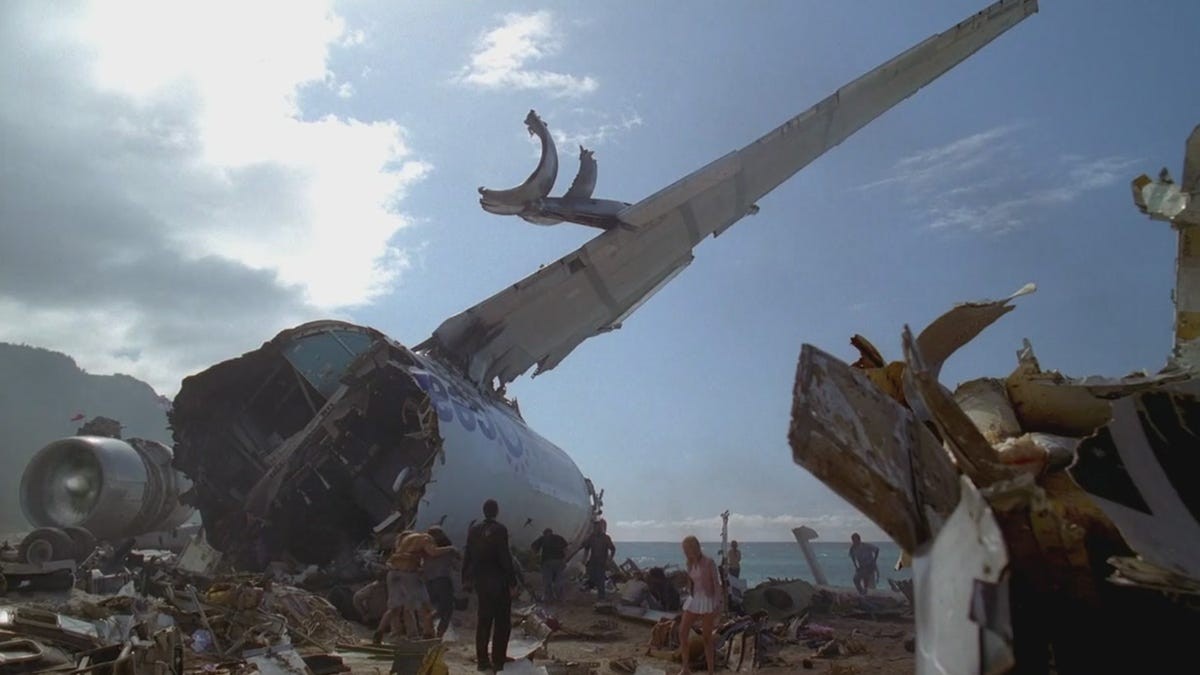
For many, the early 2000s meant gathering around the TV for weekly installments of shows like American Idol and Dexter. But one series stood out—ABC’s Lost. It captivated audiences with its mysterious premise, only to be written off as a disappointment when its narrative grew complex. Now, with the show readily available on streaming platforms, it’s time to revisit Lost and recognize it as the groundbreaking masterpiece it truly is.
The Misunderstood Finale
The biggest reason audiences turned away from Lost was the ending. A persistent myth claimed that all characters were dead the entire time, trapped in a purgatory-like state. This is false. The show’s creators, actors, and dialogue from the finale itself confirm that the characters survived the crash and lived full lives on the island. The ending isn’t a cheap twist; it’s a complex exploration of faith, sacrifice, and finding peace.
A Show Ahead of Its Time
In 2004, Lost was unlike anything on network television. Shot on 35mm film with a diverse ensemble cast and an evolving mythology, it defied the formulaic cop shows and dramas that dominated the era. The series seamlessly blended sci-fi, horror, and supernatural elements into a serialized narrative—a bold move for ABC.
The show follows plane crash survivors stranded on a mysterious island, each hiding secrets and facing their inner demons. Flashbacks reveal their past traumas and motivations, while the present-day struggle for survival pushes them to confront their true selves. The result is six seasons of intense, emotionally gripping storytelling that explores themes of fate, redemption, and the search for meaning.
Pioneering Modern TV
Lost was a risk, but it paid off. The show experimented with structure, jumping between timelines and focusing on unexpected characters. This approach—now common in shows like Severance and Dark —was revolutionary at the time. ABC initially wanted ten seasons, but the creators negotiated down to six, still delivering compelling storylines despite network interference.
The series paved the way for prestige television by pushing boundaries in cinematography, pacing, and character depth. Its influence can be seen in modern sci-fi shows like The Last of Us and Stranger Things, which share its commitment to high production value and immersive storytelling.
Still Holds Up Today
Rewatching Lost in 2025 reveals how well it has aged. The 35mm film provides a cinematic look that still feels fresh, while the on-location shooting in Hawaii adds a timeless quality. The cast delivers standout performances, elevating the show beyond its genre trappings.
Michael Giacchino’s score is another standout feature. Using sounds from the crashed plane to create a unique sonic landscape, the music enhances the show’s eerie and emotional atmosphere. Lost doesn’t just tell a story; it makes you feel it.
A Show That Demands a Second Look
Lost isn’t perfect, but its ambition and emotional depth outweigh its flaws. The series opened the door for serialized sci-fi, proving that character-driven narratives with metaphysical themes could captivate mainstream audiences. If you haven’t watched it since 2010—or if you’ve never watched it at all—now is the time. Skip the hot takes, ignore the spoilers, and hit play. You might just discover that Lost didn’t lose its way; we just didn’t know how to watch it yet.