
The “C” stands for “compute”. Or at least that’s the official line.
Qualcomm’s new Snapdragon C processor targets the low end. The goal is a laptop priced around $300. It seems like a rebranding of the old Snapdragon 8cx. We will know for sure when they announce it properly.
The 8cx was the awkward child of the family. It used old Kryo cores while the new, high-end Snapdragon X chips flexed their new Oryon muscles. That era is over. Or at least pushed aside.
Who buys this?
People who need “everyday performance.” That’s corporate speak for streaming video. Browsing the web. Joining a video call. Maybe writing a memo, if that still counts as productivity.
Acer is jumping on the bandwagon early.
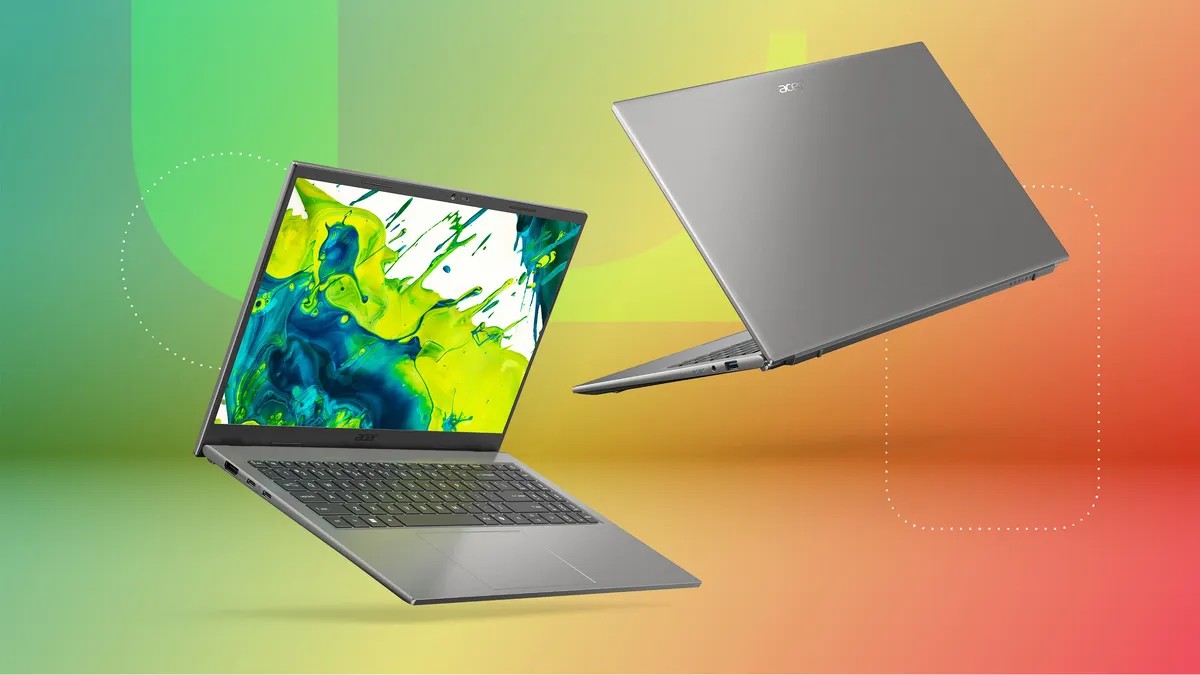
The Aspire Go 15 is their first entry. It is a basic 15-inch slab. No price tag yet. No launch date. The big question isn’t what it can do, but whether Acer can actually hit Qualcomm’s aggressive price targets. Probably not without cutting corners elsewhere.
They are.
The memory maxes out at 8GB. Just 8GB.
That is barely enough to breathe life into Windows. Even the MacBook Neo struggles with 8GB, and macOS uses RAM with far more grace. Windows chokes on that amount. You open three tabs. Maybe an email. The fans spin. You wait.
The body is plastic. Cheaper than plastic, almost. But the rest is… fine. 512GB of SSD space. A 1080p screen. A 1080-pixel webcam. Specs that don’t hurt your wallet or your eyes immediately.
HP and Lenovo will follow. Of course they will.
This configuration forces a familiar, unpleasant choice.
Remember the pandemic? When laptops were scarce, expensive, but suddenly necessary for everything?
Do you buy a cheap machine you will hate within six months?
Do you pay for a beast you cannot afford?
The Aspire Go brings that specific anxiety back to life. You buy the cheap one. You accept the slowdown. You accept the limit.
Or maybe you don’t buy anything at all.