
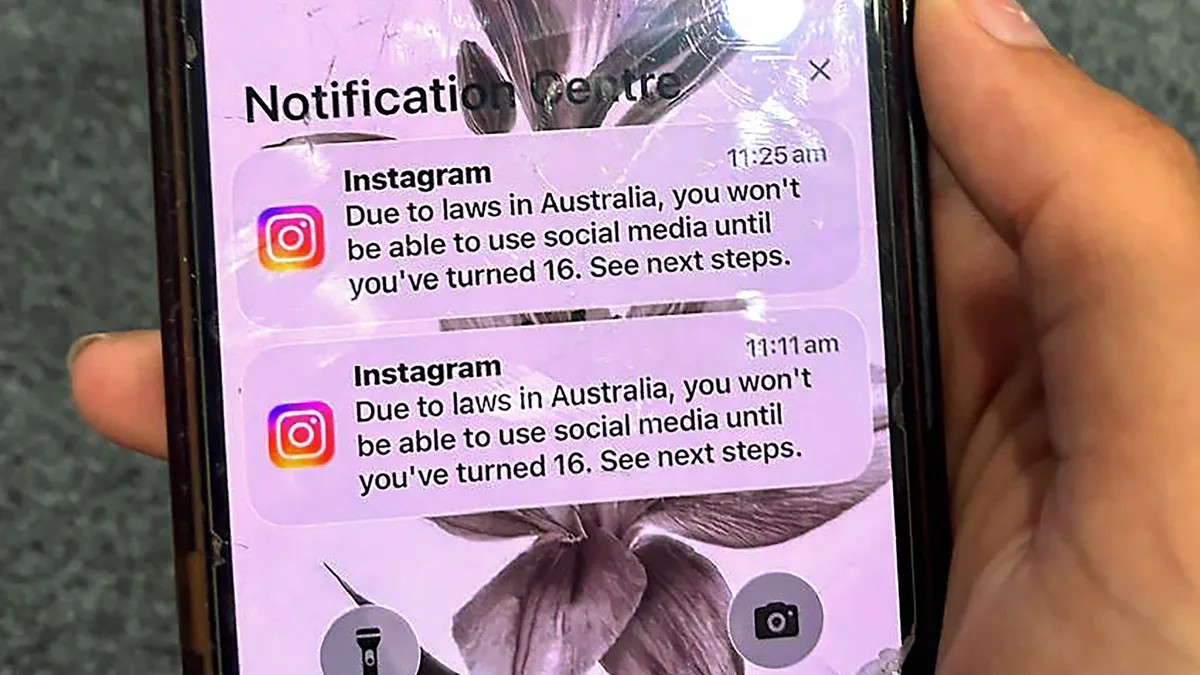
Australia has become the first country to enforce a broad age restriction on social media platforms, requiring age verification for users under 16. The law, which took effect this week, is already facing legal challenges from Reddit, which argues it infringes on user freedoms and imposes insecure verification processes on all adults. The move reflects growing global concern over the impact of social media on young people, though Australia’s approach is notably stricter than in other countries considering similar measures.
The Core of the Ban
The legislation targets major platforms including TikTok, Facebook, Instagram, X, Snapchat, and YouTube. However, some services — Discord, Messenger Kids, WhatsApp, Pinterest, and educational resources like Google Classroom — are exempt. Notably, AI chatbots like ChatGPT are also not included. Companies failing to enforce the ban face fines up to $33 million.
The law isn’t just about blocking underage access; it demands active verification using methods like facial and voice analysis, alongside account activity checks. This has sparked debate about privacy and the feasibility of foolproof enforcement, as evidenced by early workarounds already being tested by users.
Why Now? The Influence of Psychological Research
The push for this ban wasn’t born from a vacuum. It was notably spurred by Jonathan Haidt’s book, The Anxious Generation, which details the psychological effects of social media on young people. A key figure advocating for the law was Annabel West, wife of a South Australian Premier, after reading Haidt’s work. While studies on the effects of social media are widespread, this book appears to have been a catalyst for action.
Global Context and Reactions
Australia’s move stands out globally. Countries like China, Russia, and Turkey already have broad social media restrictions, but usually for political control rather than age limits. Denmark, France, and Malaysia are now watching Australia closely, considering similar laws.
Tech companies are responding unevenly. TikTok says it will comply, Meta is removing underage accounts, and Snapchat is preparing to delete nearly half a million Australian users. Elon Musk, owner of X, has publicly criticized the law as a potential backdoor to broader internet control.
Legal Challenge and Concerns
Two Australian teenagers, backed by the Digital Freedom Project, are challenging the ban in the High Court, arguing it violates freedom of expression. They contend that restricting social media access for 13-to-15-year-olds is a disproportionate sacrifice of fundamental rights.
The Bigger Picture
Australia’s ban highlights a growing tension between protecting children online and preserving digital freedoms. The effectiveness of this approach remains to be seen, but it sets a precedent that other nations will likely monitor closely. It also underscores the responsibility of tech companies to prioritize safety over profits, as argued by advocates like Donna Rice Hughes of Enough is Enough, who believes industry self-regulation has failed.
Ultimately, Australia’s bold experiment in social media restriction raises fundamental questions about how governments balance child protection with individual rights in the digital age.