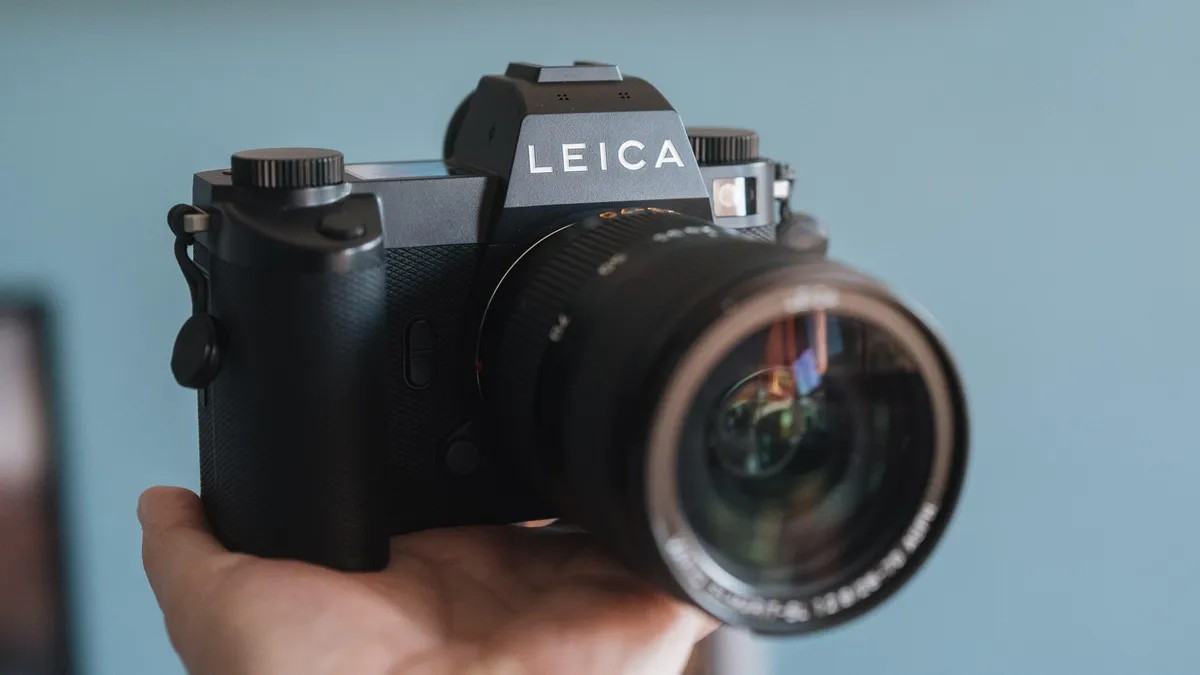
It’s not the cheapest. It’s not the flagship. The SL3-P sits in the middle of Leica’s interchangeable lens range like a compromise you’re supposed to enjoy. Better specs than the entry-level SL3-S. More expensive, yes, but cheaper than the full-blown SL3. In some areas, it actually beats the big brother.
There is a 44-megapixel full-frame sensor inside. It shoots 40 frames per second in raw. Phase detection autofocus with subject tracking handles the chasing. Video people care about 8K open gate and Apple ProRes support. All good features. The price? £5,150 in the UK. That converts to roughly $8,090. A heavy price tag, even for a German brand.
I took one to Isle of Mull, Scotland. Just the body and a 28-70mm f/2.8 zoom. I shot everything in raw, edited lightly in Adobe Lightroom. Here is what happened when the weather turned ugly and the light turned good.
Stability Without The Tripod
Water blurs easily. I set the shutter to 1/2 second. No tripod. Usually, your image shakes apart. Not this time. The in-body stabilization kept the rocks crisp. The water became silky ribbons.
Static details hold tight while the fluid elements melt away.
Then a quieter moment. The dynamic range here is about 15 stops. I needed it for the dark trees against bright clouds. The histogram looked balanced before I even opened the computer. Little editing needed. Sometimes natural looks better than processed.
I found a dog. Cute. Shot at 70mm maximum zoom, then cropped. Still sharp. Aperture priority mode made it easy to grab the snap. Dogs don’t wait.
Black, White, And Gray
Beach scenery is often boring until you find the right foreground. An old haggard tree stump worked. I switched to monochrome in-camera to help compose. Shooting raw meant I could revert to color later, but the gray tones felt right. Dramatic. Moody. I added a panoramic crop for extra cinematic feel.
Rain started. Hard rain. The IP54 rating gave me confidence. Most people would have retreated. I kept shooting. The fishing boats sat abandoned. I boosted the drama later. Raw files offer plenty of flexibility. If the camera didn’t capture it, I couldn’t fix it. But it captured enough.
Next, the pier supports. A 1-minute exposure. You can’t hand-hold that. Tripod required. Humans shake too much.
Then a 3.5 minute exposure. Insane, really. I used a PolarPro 10-stop ND filter to choke off the light. The clouds became ethereal streaks. The water went ghostly still. Long exposures demand patience, but the reward is a scene that feels timeless, especially under gray skies.
The sun finally broke through. Blue sky. A CalMac ferry chugged through the frame just as the light hit the lighthouse. Mountains in the back. Three layers. Depth. It tells a story about the island, not just its look.
Back On The Move
Traveling back to Edinburgh, the ferry offered new angles. Vibrant colors. The red deck contrasted sharply with the green flooring and the blue sky above. The flag in the center anchored the eye. A simple composition.
Street photography in the rain. Edinburgh. Through a bus shelter glass. The autofocus ignored the foreground pedestrians. It locked onto the man in the phone booth. True subject detection works. It doesn’t always get fooled by depth of field issues.
Another instance: a person taking a photo with their phone. Subject tracking kept up. You see the moment. You shoot. The camera handles the focus. No fumbling with contrast or faces.
Then manual focus. Just luck. Getting close to a car window. A little dog looking out. Mournful eyes. Quick. Sharp. Sometimes technology doesn’t matter. Timing does.
Verdict
The SL3-P is a solid machine. Hand-built. Feels expensive. Image quality matches the reputation.
Is it the camera for me? No. It feels too much like a Sony or Nikon. Safe. Efficient. Where is the Leica soul? The Q3 43 I own is smaller, has a fixed lens, and gives me more joy.
But you might not care about “soul.” If you want L-mount lens flexibility (Leica, Sigma, Panasonic, etc.), commercial video specs, and a body that can handle Scottish rain, this is it.
A “do anything” camera. Practical. Reliable.
Maybe practicality is its own kind of thrill.