
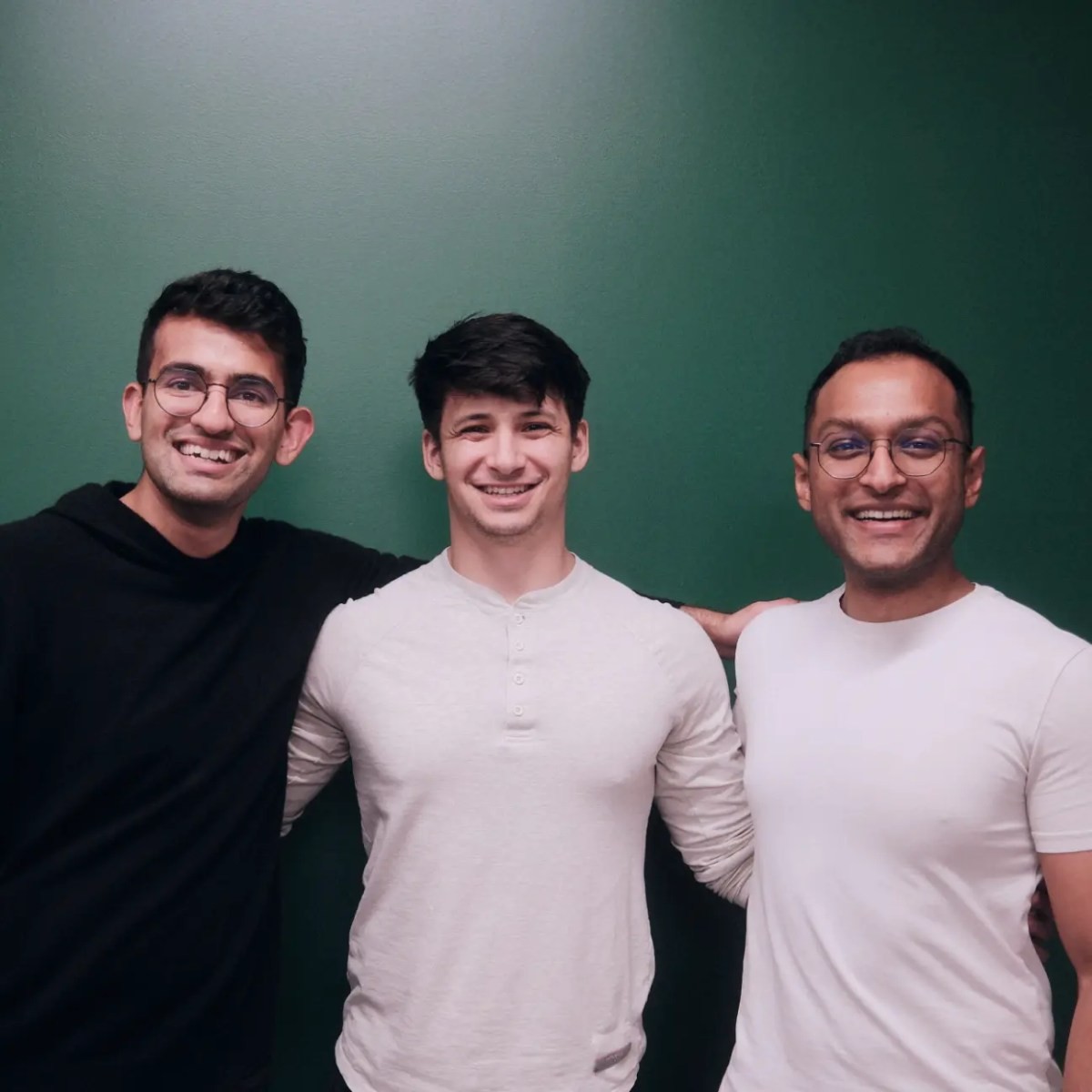
The rapid rise of Generative AI has promised a revolution in marketing, but many companies hit a common roadblock: generic, “off-brand” content. Hightouch, a seven-year-old startup, has successfully navigated this hurdle, recently announcing it has reached $100 million in Annualized Recurring Revenue (ARR).
The surge is largely attributed to a new AI-powered service launched 20 months ago that allows marketers to create high-quality, personalized assets without the traditional bottleneck of design teams or external agencies.
The Gap Between General AI and Brand Identity
While foundational Large Language Models (LLMs) can generate impressive images, they often lack the specific “DNA” of a corporate brand. For major companies like Domino’s, Spotify, or Chime, a generic AI-generated image is often useless because it fails to adhere to strict brand guidelines regarding colors, fonts, and product accuracy.
Kashish Gupta, co-CEO of Hightouch, notes that standard models often suffer from “hallucinations”—creating products that don’t actually exist. In the world of professional advertising, this is a non-starter.
“Foundation models didn’t know about specific consumer brands… The LLMs would hallucinate products that didn’t exist, and you can’t do advertising and emails on products that don’t exist.” — Kashish Gupta, co-CEO
How Hightouch Ensures “On-Brand” Precision
Rather than relying solely on the creative capabilities of a standalone AI, Hightouch takes a different architectural approach. The platform acts as a bridge between generative intelligence and a company’s existing assets.
The system integrates directly with a brand’s established ecosystem, including:
– Design platforms (such as Figma)
– Internal photo libraries
– Content Management Systems (CMS)
By pulling from these trusted sources, the AI “learns” the specific visual language of the client. This allows for a hybrid creation process: the AI generates the environment or the background, but it uses real, verified assets for the core product.
For instance, instead of asking an AI to “draw a Domino’s pizza”—which might result in a distorted, unrecognizable image—the platform uses an actual high-resolution photo of a Domino’s pizza and uses AI to generate a custom, personalized background around it. This ensures the product remains authentic while the creative context remains infinitely scalable.
Rapid Growth and Market Valuation
This ability to automate personalized content at scale has translated into significant financial momentum. Since introducing its AI product, Hightouch has added $70 million in ARR, bringing its total to the $100 million milestone.
The company’s leadership, headed by co-CEOs Kashish Gupta and Tejas Manohar (formerly of Segment), has capitalized on the growing demand for “controlled” AI. This distinction is vital: marketers are moving away from “experimental” AI and toward “operational” AI—tools that can be integrated into professional workflows with predictable, high-quality results.
Key Financials & Scale:
– Current ARR: $100 million
– Recent Valuation: $1.2 billion (as of February 2025)
– Latest Funding: $80 million Series C led by Sapphire Ventures
– Workforce: Approximately 380 employees
Conclusion
By focusing on brand integrity rather than just creative generation, Hightouch has moved AI from a novelty tool to a core piece of marketing infrastructure. Their success highlights a broader trend: the most valuable AI tools in the enterprise space will be those that respect and integrate with existing corporate standards rather than those that attempt to replace them.