
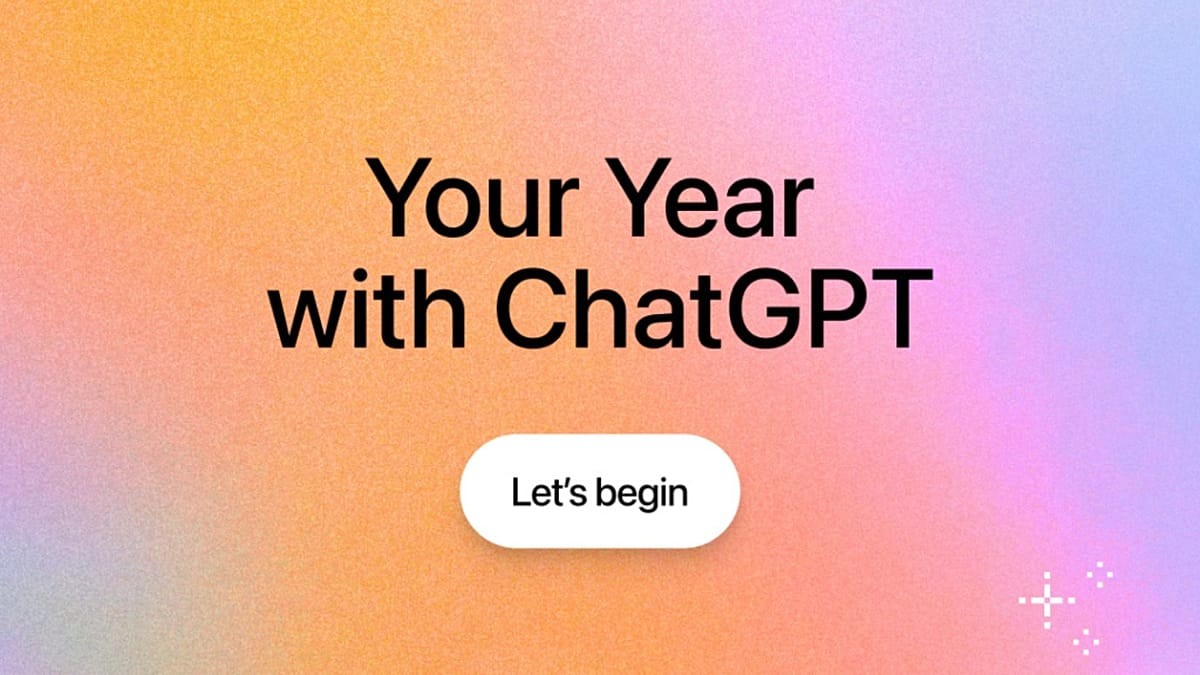
ChatGPT has just released “Your Year with ChatGPT”, a personalized recap mirroring Spotify Wrapped, for users in select countries (UK, US, Canada, Australia, and New Zealand). The feature provides a detailed look at how users have interacted with the AI chatbot throughout 2024, including total messages, image generations, and usage patterns.
The Rise of AI Companionship
The move comes as AI chatbots like ChatGPT become increasingly integrated into daily life. The tool’s ability to offer instant responses, creative assistance, and even pseudo-emotional support has driven unprecedented user engagement. This is not merely a technological trend but also a behavioral shift, with many users now relying on AI for tasks ranging from brainstorming to casual conversation.
How the Feature Works
To access the recap, users must have “reference saved memories” and “reference chat history” enabled, along with a minimum interaction threshold. The feature presents stats in a visually engaging format, including personalized poems and awards. Some users have already expressed shock at their usage numbers, highlighting a potential over-reliance on AI assistance.
“I knew I had a problem with how much I used ChatGPT but did not realise how bad it was until I saw this,” one Reddit user wrote, reflecting a common sentiment among early adopters.
Data Privacy Concerns
The timing of this feature launch is notable, given OpenAI’s recent confirmation of a data breach in November. While users can disable memory-related features or selectively delete chat history via Settings > Personalization > Manage Memories, the default settings prioritize data retention. This raises questions about how much personal information users are comfortable sharing with AI platforms.
Reflecting on AI Dependency
ChatGPT’s year-in-review is more than just a fun gimmick. It serves as a stark reminder of how deeply AI has penetrated our digital lives. The stats reveal not only usage patterns but also the extent to which we outsource thought, creativity, and even emotional processing to algorithms. This trend demands critical self-reflection: are we using AI as a tool, or is it shaping our habits and behaviors?
Ultimately, “Your Year with ChatGPT” is a playful yet unsettling look at the future of human-AI interaction. It underscores the growing need for digital literacy, privacy awareness, and responsible AI usage.