
Building in healthcare is fundamentally different from building in other tech sectors. The mantra of “move fast and break things” does not apply when patient safety is at stake. Timelines are longer, stakes are higher, and success depends on navigating complex regulatory frameworks that prioritize rigor over speed.
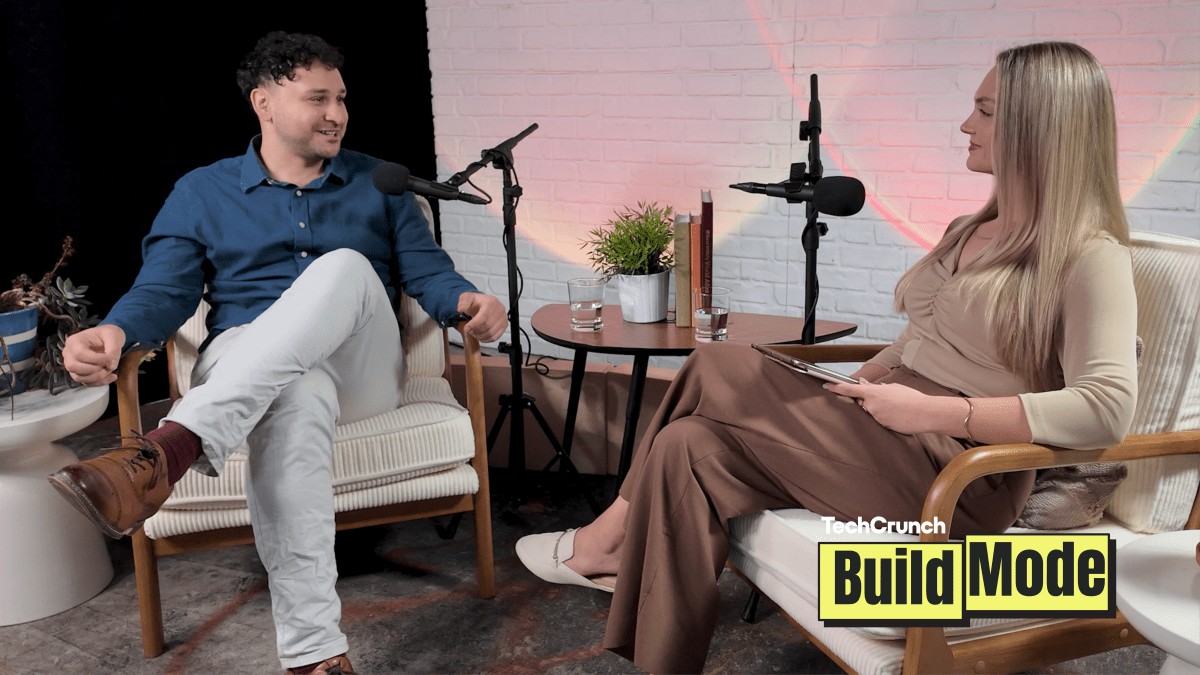
Robhy Bustami, co-founder and CEO of BioticsAI, has mastered this balance. His company is developing an AI copilot for ultrasound designed to help clinicians detect fetal abnormalities—a critical area where misdiagnosis rates remain surprisingly high. In a recent discussion on Build Mode, Bustami outlined how BioticsAI navigated the stringent requirements of the medical device industry while maintaining team momentum and securing a pivotal milestone: FDA approval in January.
The “Scrappy” Beginning
BioticsAI’s journey began with remarkable resourcefulness. The team developed a functional prototype of their AI tool for under $100,000 —a feat that is nearly unheard of in the capital-intensive medical device world. This lean approach allowed them to prove their concept early, leading to a victory at the TechCrunch Startup Battlefield in 2023. This win provided crucial visibility and credibility, helping to attract attention before regulatory hurdles were fully cleared.
Integrating Regulation from Day One
A common pitfall for health-tech startups is treating regulatory compliance as an afterthought. BioticsAI avoided this trap by embedding FDA approval into their product development lifecycle from the start.
Rather than building the technology first and figuring out regulation later, the team integrated three key processes into a single workflow:
* Clinical Validation: Ensuring the tool works in real-world scenarios.
* Regulatory Strategy: Planning for compliance requirements early.
* Product Development: Building the software with regulatory endpoints in mind.
This approach required close collaboration with clinicians and the collection of large-scale datasets. By running structured clinical studies before submission, BioticsAI ensured they were not just building a cool tool, but a medically validated device.
Demystifying the FDA Process
The FDA approval process is often viewed as a “black box” by founders, filled with uncertainty and potential rejection. Bustami emphasizes that this perception can be managed through proactive engagement.
- Early Alignment: The team utilized pre-submission meetings to align with regulators on study design and expectations.
- Managing Risk: While the risk of rejection never fully disappears, early feedback loops help mitigate surprises.
- Investor Confidence: For investors, the primary concern is often regulatory failure. By demonstrating a clear path to approval, BioticsAI reduced this uncertainty.
Sustaining Momentum in a Long Game
One of the most significant challenges in healthcare tech is team motivation. Unlike consumer apps that can launch quickly, medical devices can take years to reach market.
BioticsAI addressed this by fostering a culture of alignment across engineers, clinicians, and researchers. The leadership focused on highlighting incremental wins —such as successful clinical study results or new healthcare partnerships—to keep the team engaged during the long wait for final approval.
“Making sure everyone is completely aligned, even if it’s outside of their technical scope,” Bustami said, “constantly seeing wins on the R&D side,” from clinical studies to new healthcare partnerships.
What’s Next: Deployment and Expansion
With FDA clearance secured, BioticsAI is shifting from development to deployment. The company is now rolling out its technology in hospitals, aiming to improve diagnostic accuracy in obstetrics. Looking ahead, BioticsAI plans to expand its AI capabilities beyond fetal health into broader areas of reproductive health.
Conclusion
BioticsAI’s journey illustrates that building in healthcare is a marathon, not a sprint. It requires patience, discipline, and a willingness to operate within strict regulatory boundaries. For founders willing to embrace this path, the reward is not just a successful business, but the opportunity to create technology that genuinely improves how care is delivered.