A sample is exactly what it sounds like: a piece of existing audio. DJs and producers can use these clips to build new tracks or add texture to their mixes. Usually found as .WAV files on Windows and .AIFF files on Mac. Both are CD-quality formats. It’s not just digital junk. These are the original elements of modern sound.
The explosion of these files changed everything. Software designed to manipulate them gave birth to electronic music. This is not a slow development. It was an explosion.
A brief history of the sample
At the end of the 1970s, the market for synth market had changed. New machines hit the shelves almost every week. You had the MiniMoog. Sequential Circuits dropped the Prophet 5. Roland released the D10. Korg launched the M1. Then comes the beast. Yamaha DX7.
Among them, DX7 has become the most popular. It defined the sound of the era. But these instruments just create tones. They paved the way for sampling. Producers began to question why they needed to generate sound from scratch when they could capture it.
Sound Chip Crisis
The musician hit the wall. Quickly.
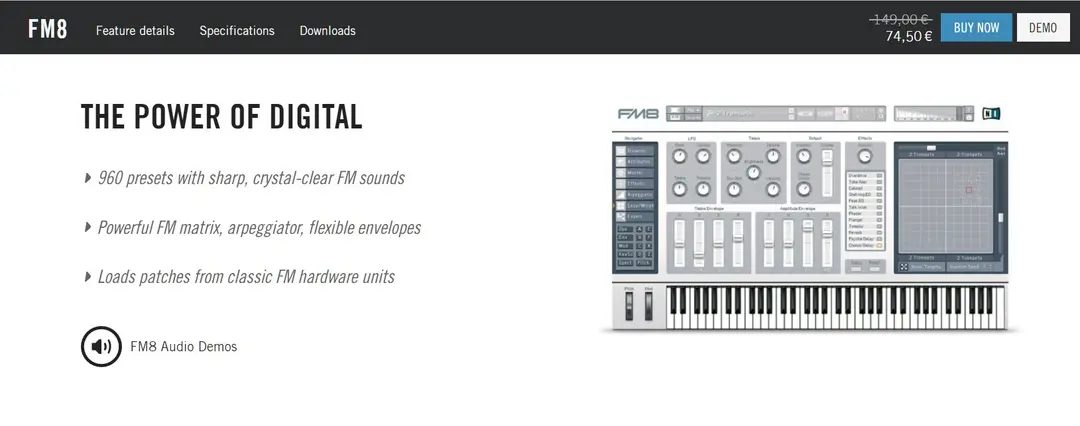
Thanks to the latest technology, every new synthesizer hits the market with a fresh sound. You played with it. You explored the timbres. So what? You stopped. To go further to go further, you need to purchase specific expansion cards for your machine. These things cost hundreds of euros just to add a hundred new tones.
This is a racket. Another option is to buy a new synthesizer.
Enter the sampler.
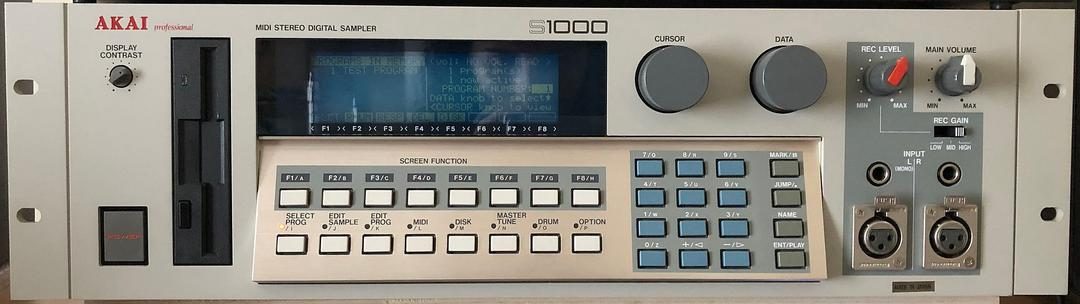
This device offers a cleaner solution. It could capture any natural sound and convert it to digital format. The AKAI S1000 became a standout model in the late 1980s. Its file format didn’t just work; This has become the standard recognized for countless music software.
Suddenly you’re not stuck in a box anymore. You can sample a piano, a drum break, or a voice and use them in different systems. The limitations of the hardware have not gone away, but the friction has decreased. You can build a library of sounds that exist in the digital world, not just on expensive instrument ROM chips.
This shift changed the way music was made. The focus shifts from “owning” the hardware to “capturing” the sound. S1000 does more than sell samples. It standardizes them. Once that format was set, software developers can use a common language.
But standardization is only half the battle. Making those samples sound good in a mix? That’s a completely different question.
Why sampling is the bridge between analog and digital
Traditional instruments like the piano, guitar and trumpet live in an analog world. No code is generated. They create physical reality.
Basically, sound is just a change in air pressure. A vibration. When you hear a door slam, water dripping or a pan flute, your brain immediately identifies the source. That recognition comes down to the shape of the wave.
However, there is a clear line between music and noise.
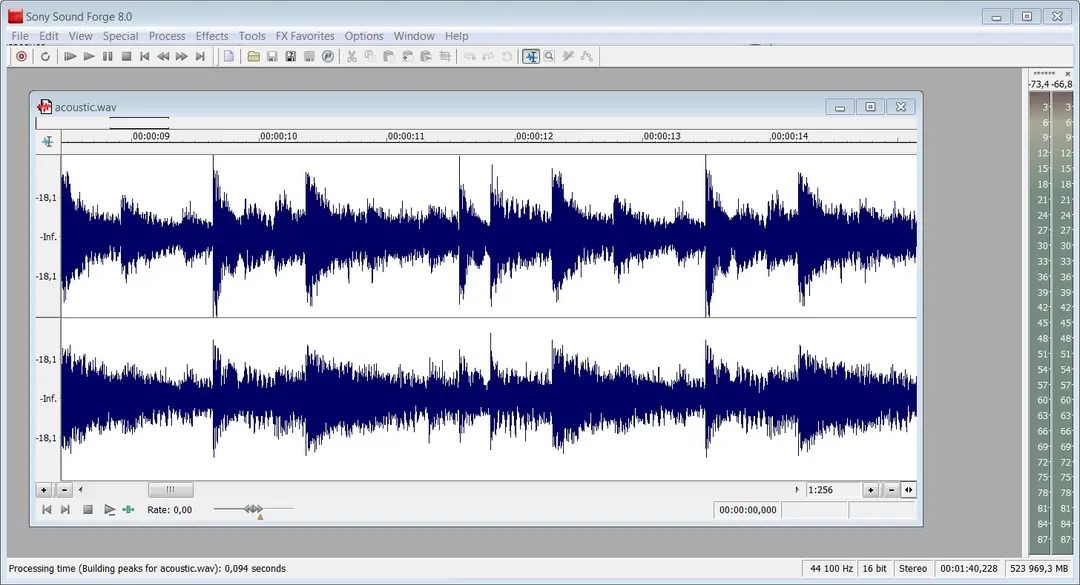
Piano sounds have regular repeating curves. A car engine sputtering in the rain does not. The regularity of the waveform gives an instrument its timbre. When you view this waveform on a digital audio workstation, you’ll see a predictable, repeating figures.
So how do you capture that? The air pressure itself cannot be stored on the computer. Memory is not infinite, analog waves are continuous. To bring music into the digital world, you have to break it down. You have to sample it.
Sampling is the process of quickly taking snapshots of these analog waves. This is the first step in converting physical into the binary. Without it, the DAW becomes just a silent box.
Convert voice to data
Sound waves repeat themselves countless times per second. The shape changes depending on the instrument, but that regularity makes it music. The pattern repeats itself. Machines cannot process raw waves. They don’t speak analog. You need numbers. Especially zeros and ones.
This is where sampling comes into play.
The term comes from the English word sampling. This is the process of analyzing the sound wave and dividing it into slices. It then converts this part into a digital sequence. A piano note turns into data. The bass line becomes code. A vocal track turns into bits.
Without this conversion, the computer is useless for audio playback. You cannot process a physical vibration. It must first be converted to information. Sampling closes this gap. It captures the essence of the sound and stores it in a machine-readable form.
“Sampling is the process of analyzing, cutting and converting a sound wave into a series of zeros and ones.”
It’s not magic. It’s math. But it’s the foundation of all digital audio. Every track you stream, every podcast you listen to started as a wave. Then it got chopped. Then it was numbered. That’s the job of the sampler.
Audio resolution: Information about the sample rate
Sampling rate is the technological pulse behind digital audio. It measures how many times per second sound waves are intercepted and converted into digital data. Think of this as the frame rate for video, but for audio.
The higher the number, the higher the accuracy. Standards in the music production industry tend to have some specific benchmarks.
- 44.1 kHz : 44,100 samples per second. This has become a strict standard for CDs, and means that almost all the music you buy exists in this resolution.
- 48 kHz : 48,000 samples per second. This is a common benchmark for video production and streaming platforms, and is slightly better than CD quality to match movie audio standards.
- 96 kHz : High resolution option commonly used in professional recording and mixing. It captures frequencies beyond human hearing, but whether this translates into audible warmth is an endless debate.
In general, more samples per second produce a more accurate digital reconstruction of the original analog wave. The calculation is easy. A higher density of data points creates a smoother curve.
Electronic music with building blocks
The real revolution is not just recording sound better. This is about sampling as a building material.
The sample library converts audio files into raw ingredients. Producers no longer need an orchestra. They started building entire tracks using a collection of high-quality audio clips. Combine a kick drum sample, add a bass loop, add a piano hit, and suddenly you have a song. No sheet music is needed.
This change gave birth to modern electronic music. Countless DJs and producers don’t understand music theory. They don’t play instruments. They handle audio files like Lego bricks by snapping them into a DAW (digital audio workstation). The result was a song built entirely from pre-recorded parts designed to impress the audience.
These samples are usually short, often only one or two bars of music. They are designed to loop. A percussion hit repeats. A bassline cycles. That’s the engine of the genre.
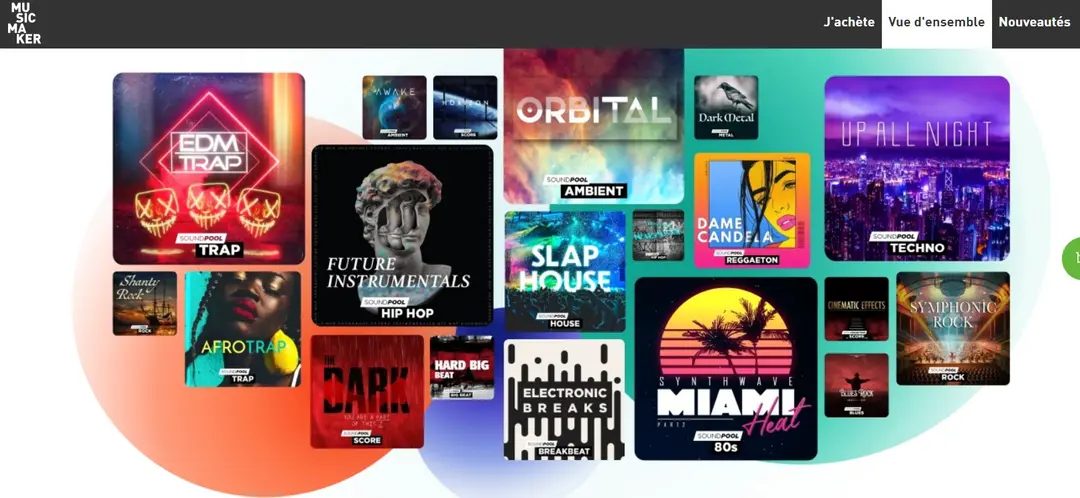
Electronic music works on these loops, so the market is flooded with sample packs. These first appeared on CD-ROMs and now dominate the web. It’s an overwhelming volume. Whether you want an 80s synthwave or hyperpop vocal chop, it’s probably already been recorded, packaged and sold.
The producer’s job shifted from writing notes to curating the sound.
循环的艺术
我们现在正深陷采样的泥沼之中。 这不再只是抓取音频片段。 这是关于雕刻它。 样品 是原材料。 采样器 是工具。 但采样器 不仅仅是一个录音机。 它是一种乐器。 一个复杂的。
想想鼓机。 简单的。 敲击打击垫,听到声音。 线性。 可预测的。 现在考虑一个采样器。 你有一个图书馆。 你有变调。 你有信封。 您可以录制玻璃破碎的录音并将其变成小鼓。 或者低音线。 灵活性是可怕的。 和解放。
Why hardware matters again
Digital tools are very powerful. Plugins like Ableton’s Simpler and Logic’s Sampler are great. they do the work. However, there are emotional differences. Hardware sampling forces the decision. It cannot be undone simply by using keyboard shortcuts. You have to commit. This limitation fosters creativity. It’s a different workflow. More slowly. But the results often feel more “human”. Add texture.
For example, the AKAI MPC series. It changed hip-hop. Why? This is because the flow of work encourages dumping. surgery period. Sort in real time. It’s not just about recording. This is the configuration. The hardware interface defines your musical approach. pad knob. They edit the music before making the record.
Software and hardware: a big gap
Which would you choose? It’s up to your brain. The software offers unlimited songs. Unlimited storage space. No deterioration. You can try a symphony and then forget about it completely. The hardware provides sound. Characteristics. heat. Some people rely on the analog circuitry of modern samplers like the Elektron Octatrack and the Korg Electribe. They give color to the sound. The noise increases. What noise! That feeling of digital signals coming to life.
Then the integration begins. The software works well with DAW. Drag and drop. All parameters can be automated. The hardware requires wiring. Midi. audio interface. This is a physics puzzle. However, many producers found this puzzle interesting. This keeps them in the studio. Please get off the couch.
Modern workflow
Today, that line is blurred. Hardware samples can be controlled by a computer. Software samplers mimic hardware quirks. We use both. mixed methods. You can try out the song in your DAW. Then it jumps up. It was then cut with a hardware sampler for better stability. Enable randomization. Break the web. This is where the magic happens. It’s not perfect. Error. decomposition. An unexpected loop.
The most important thing is to understand how to best use each tool. Improve accuracy with software. Feel it with the hardware. Combine them. Remember. A sampler is only as good as the ear behind it. The best sample is not always the most accurate sample. They are the ones who provide the songs. People who tell stories. Or destroy it.