



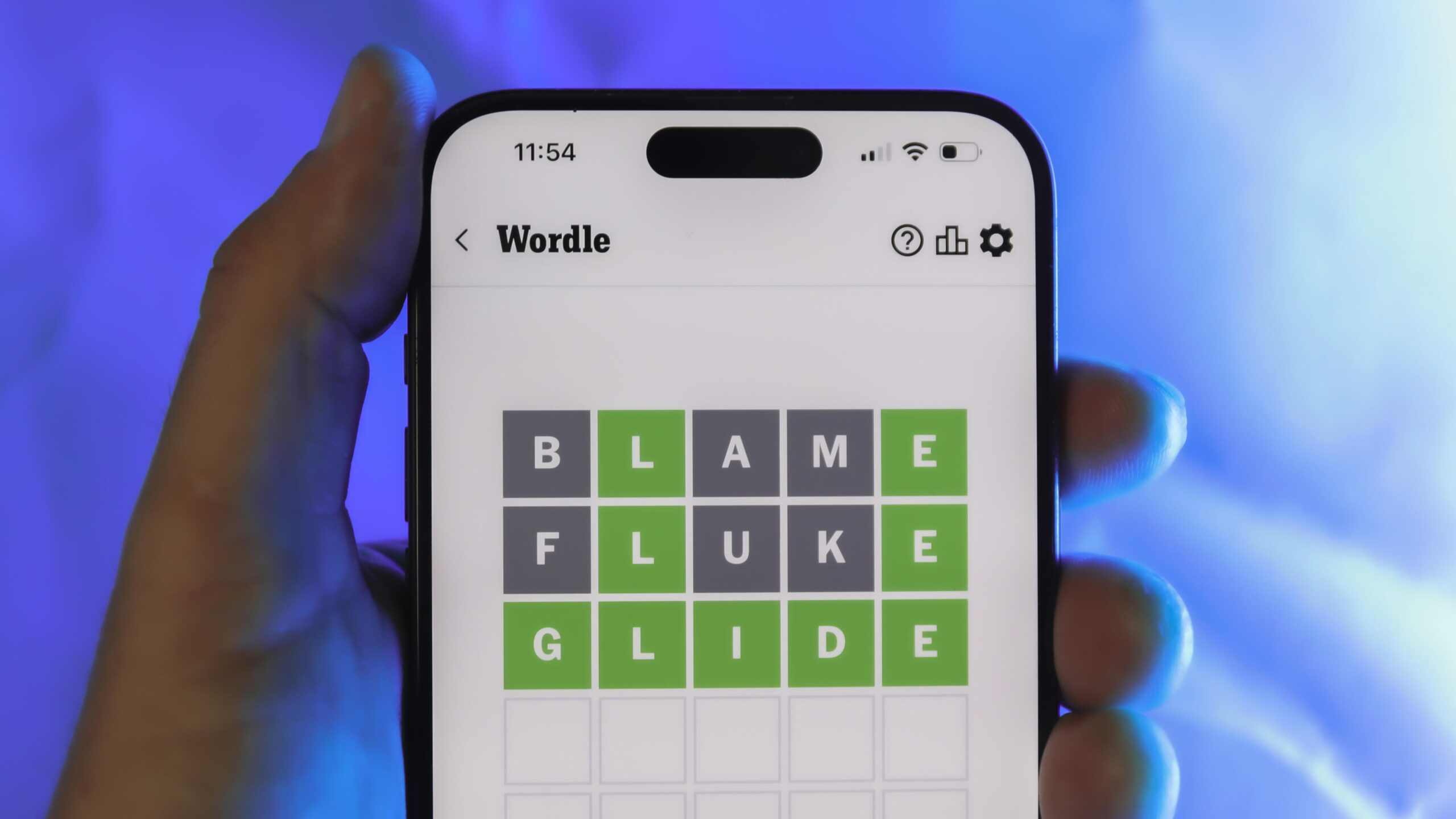
July 22. Puzzle 1859. It’s one of those days where the grid feels slightly out of your depth. The word isn’t common in American English. If you grow up watching British TV, it’s obvious. For everyone else? A guess.
Looking for today’s New York Times Wordle answer? You’re in the right place. We also cover the Mini Crossword, Connections, and Strands. But first, let’s tackle LORRY.
Why Today’s Wordle Is Tricky
Most Americans use “truck.” Brits use “lorry.” That’s the core conflict. The puzzle rewards regional knowledge. Or a good solver strategy.
If you are stuck on the daily crossword or connections sports edition, check our daily updates. But back to the five-letter grid.
Wordle Hints for July 22
Don’t want the answer yet? Stop reading. These hints are enough to guide your next guess without giving it away.
- Repeats: There is one repeated letter.
- Vowels: One strict vowel. One sometimes vowel.
- First Letter: It starts with L.
- Last Letter: It ends with Y.
- Meaning: A British term for a truck.
Today’s Wordle Answer
The answer is LORRY.
It fits the pattern. It fits the definition. And now you know.
If you got it on the first try, congratulations. If not, at least you learned a word you’ll never use unless you’re crossing the channel.
Previous Wordle Answers
Here is what came before, just in case you need context for your streak.
July 21 (1858): SHILL
Recent History:
- July 17 (1854): LEGAL
- July 18 (1855): BOOTH
- July 19 (1856): CHURN
- July 20 (1857): DIVER
A quick note on starters. If you’re unsure how to begin, check our list of the most common English letters. L isn’t a bad start. Just make sure you have enough vowels to test the middle quickly.
“It’s not a word Americans use much.”
That’s the trap. We assume everything is universal. It isn’t. Sometimes you just need to look left across the Atlantic for the solution.
Did you guess RALLY first? Common mistake. Starts with L. Ends in Y. But the vowels are off. LORRY has only one true vowel (O). The Y does the heavy lifting at the end.


