



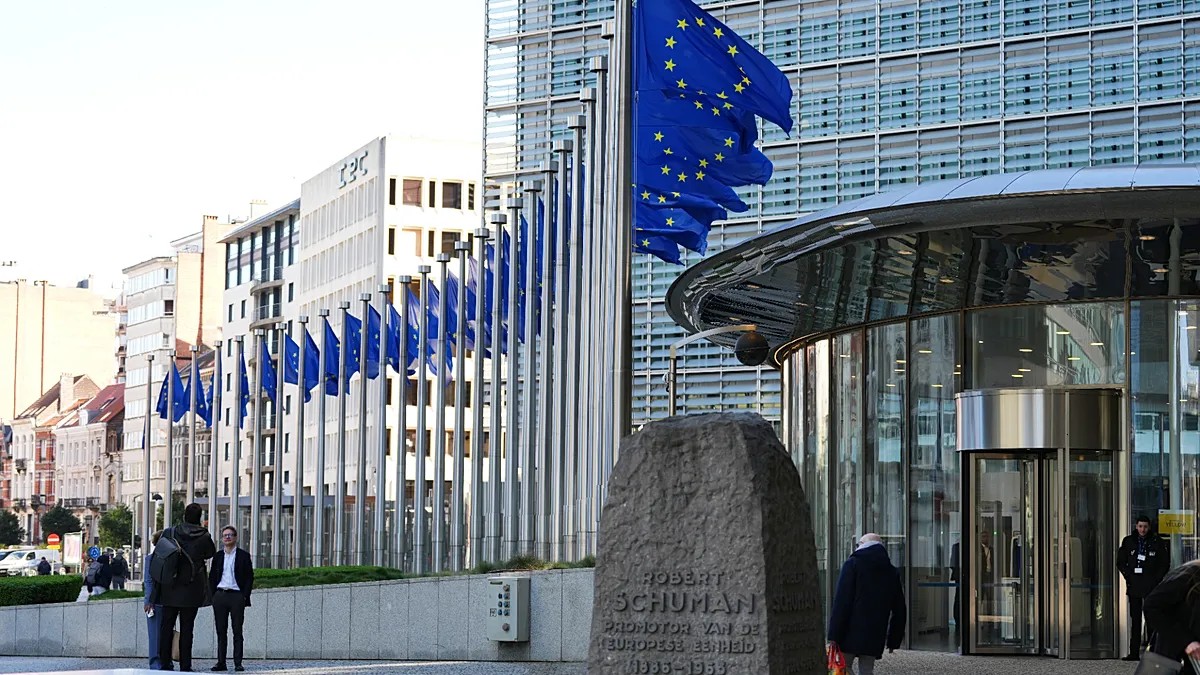
The European Commission thinks it’s solving its legislative headache. In late April, they rolled out a communication titled “A Simpler, Clearer and Better Enforcer EU Rulebook.” The pitch is simple: fix the quality of EU laws, boost transparency, get stakeholders more involved, do a “deep clean” on existing rules, and stop member states from over-regulating (gold plating).
It sounds good. On paper, anyway.
But experts aren’t buying it. Not yet. While the document hits on necessary tweaks, it lacks ambition. It’s reactive, not future-proof. Especially when the Commission is currently wrestling with its own internal efficiency and whether its bureaucracy is even ready for AI.
Consumer Choice Center Europe’s latest report, “Wiser regulation,” tears into this communication. It doesn’t just nod along. It identifies structural rot in the legislative process and demands tech-forward fixes.
The Wins: Where Technology Actually Helps
Let’s give credit where it’s due. The Commission has committed to being transparent about procedural derogations. If they skip steps in the Better Regulation Guidelines, that failure will now be recorded and reported in the explanatory memorandum.
Finally, citizens and lawmakers will know why the rules are bending.
There’s also a promise to notify stakeholders directly when consultation summaries drop on the “Have Your Say” portal. It seems basic. It hasn’t been practiced so far, but now it will be.
Then there’s the IT tool. The Commission wants to introduce new software to manage EU laws, track implementing rules, spot overlaps, and untangle complexity. This isn’t just an IT project. It’s a structural necessity. The EU’s institutional framework is a mess of divergent interests; technology can help cut through the noise. It should be a primary goal, not an afterthought.
The Gaps: Consultations That Don’t Consult
Here’s the problem. The Commission’s previous “Call for Evidence” on better regulation got slammed. Stakeholders wanted neutral consultation designs. They wanted realistic timelines.
The follow-up document? Vague.
It vaguely promises to avoid scheduling consultations during holidays “whenever possible.” Yet, it keeps the power to slash the standard 12-week consultation window down to just six weeks. Six weeks. For massive regulatory changes.
And what about the self-evaluation? The Commission’s self-critique is limited. Concrete suggestions for improvement? Thin on the ground.
Historical evidence shows that simply defining principles like “Better Regulation” is useless. You have to enforce them. You have to monitor them. You have to change the institutional culture. One thing hasn’t changed.
The Urgency Trap
Take the “urgency procedure,” which was challenged by the Ombudsman. It remains dangerously broad. The European Commission defines urgency based on four triggers:
- Crises or shocks.
- Severe consequences of inaction.
- Legal deadlines.
- A “political context creating a need for urgent action.”
Triggers one and two? Fine. We get it. Emergencies happen.
But triggers three and four? That’s a loophole the size of a truck. “Political context” can justify almost any procedural shortcut. View it with caution. Review it. Now.
Recommendations: Fix the Machine, Fix the Pace
Consumer Choice Center Europe didn’t just complain. They offered a blueprint. The recommendations target the Commission, EU institutions, and Member States.
For the EU institutions:
Improve lawmaking quality. Build institutional capacity. Use technology to ensure rules are simple and understandable. Ensure accountability. Make sure everyone in Brussels is actually on board, rather than just pretending to be.
For the Member States:
This is where it gets tricky. Member States are drowning. They can’t keep up with the legislative pace. As a result, they participate less in policymaking. The Commission is reportedly thinking about sending extra manpower to national capitals. That’s a band-aid.
The capitals themselves are understaffed. They can’t react, let alone proactively set their own agenda points. You can’t force engagement if the infrastructure isn’t there.
Why This Matters Now
Mario Draghi recently argued that the EU must evolve into a “pragmatic federation” to stay globally competitive.
That integration will face massive resistance. Unless member states and stakeholders feel genuinely heard. Unless they trust the institutions. Unless European businesses choose to operate for Europe, not just in it despite the bureaucracy.
Improving the lawmaking process isn’t just bureaucratic hygiene. It’s survival. If the EU fails to adapt—not just in speed, but in quality—it will exacerbate internal tensions. It will fuel political populism. It will strengthen the anti-EU sentiment that has been lurking in the shadows.
The rules are getting simpler on paper. But in practice? The machine is still grinding. And if it grinds too hard, it breaks the trust it needs to survive.
Does transparency actually work if the timeline for participation is half what it used to be? Or are we just optimizing the illusion of engagement?


