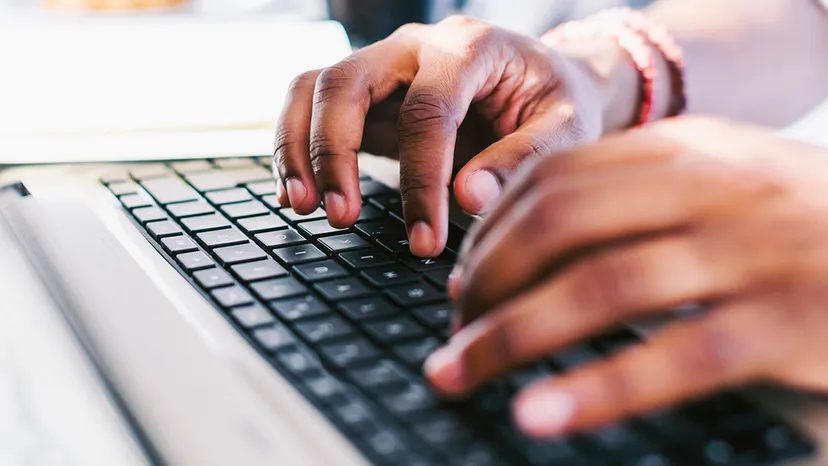
Your fingers know the score. After years of relentless typing, the glossy layer on the keycaps has faded. The letters fade. The surface turns to a ghostly smear of white plastic. This is a common experience for those who live behind the screen. But which keys surrender first?
The answer depends on whether you’re writing a novel or raiding an MMORPG.
Space (usually) reigns supreme
Historically, the hierarchy was clear. Before modern computers, when typewriters ruled the office, the space bar was the undisputed champion of wear and tear. It’s in the middle. It keeps beating. The Inland Printer understood this already in 1898. The letter E comes second.
The latest data largely confirms this. Microsoft marketers admitted in 2013 that the space bar is still the most commonly used key. After that, E and backspace. When you’re writing plain prose, space bar takes the brunt of the physical abuse. This makes sense. There should be a pause between each word.
But things have changed.
Gamers Break the Rules
Laptop-keys.com is operated by Patrick Halcrow. He offers spare keys to people who want to fix broken machines. He carefully observed wear patterns. His conclusion? Habits change.
Why? Because there are casual users are gone.
Many people who used to write their emails on a laptop now use their smartphones. The touch screen doesn’t wear out your keys. People who type on real keyboards are mostly workers and gamers. The way you use your hands is also different.
The main customers of certain options are the players. Order W, A, S, D keys. We also need new arrow keys.
“These keys are used for player movement in RPG-type games,” Halcrow explains. As well as vehicle control in driving-type simulators.
In the game, the WASD cluster is the steering wheel. It hits hard. Use the arrow keys to move through the menus and use the camera’s control functions. When playing games, the WASD keys may be peel faster than the space bar.
労働者は母音を使用します
会社員は別の話をした。 動くキャラクターのアバターではありません。 彼らは文書を書いたり、コーディングしたり、レポートを送信したりしています。
ハルクロウ氏は、これらのユーザーが母音キーを最も頻繁に変更したと述べた。 A、E、I、O、U。
なぜ母音なのか? それらはほぼすべての単語に現れます。 ナビゲーション用のスペースバーと矢印キーは依然としてリストの上部にあります。 しかし、標準英語のテキストでは母音のキーストロークが多いため、特定の摩耗パターンが生じます。 通常、オフィス環境では「E」が最も光沢があり、次に他の母音が続きます。
美学は機械よりも優れています
これが転換点です。 鍵が壊れたからといって交換する人はほとんどいません。
彼らは見た目が醜いからそうするのです。
ハルクロウ氏は、人々は主に美的な理由でキーを変更すると指摘しました。 文字がかすれたキーボードは使い込まれているように見えます。 とても疲れているようだ。 基本的なメカニズムは通常良好です。 スイッチはまだカチッと音を立てます。 回路はまだ接続されています。 しかし、その光沢は所有者を悩ませました。 彼らは新鮮な新しい外観を望んでいます。
実際の機械故障はまれです。 これは反復疲労損傷によって引き起こされるものではありません。 これは偶然です。
ペットがテーブルの上に飛び乗るでしょう。 ラップトップがテーブルから落ちました。 子供たちは鍵を取り出した。 これらの出来事は予測不可能です。 偶発的な損傷の傾向はありません。 スペースバーを押す人もいるかもしれません。 他の人はFキーを壊すかもしれません。 これはランダムです。
Nose record
Speaking of unusual typing methods, Khurshid Hussain set a Guinness World Record in 2014. He typed a sentence of 103 characters in 47 seconds. Use his nose.
Not his fingers. his nose.
Imagine what the keyboard wear pattern would be like if everyone typed with their noses. Space can still win. Alternatively, the nose may point towards the central cluster. we’ll never know. But this proves one thing. The input method determines what is consumed.
Your keyboard is the map of your digital life. Check the space. Check your WASD keys. Check the vowels. See what they have to say about your day.