
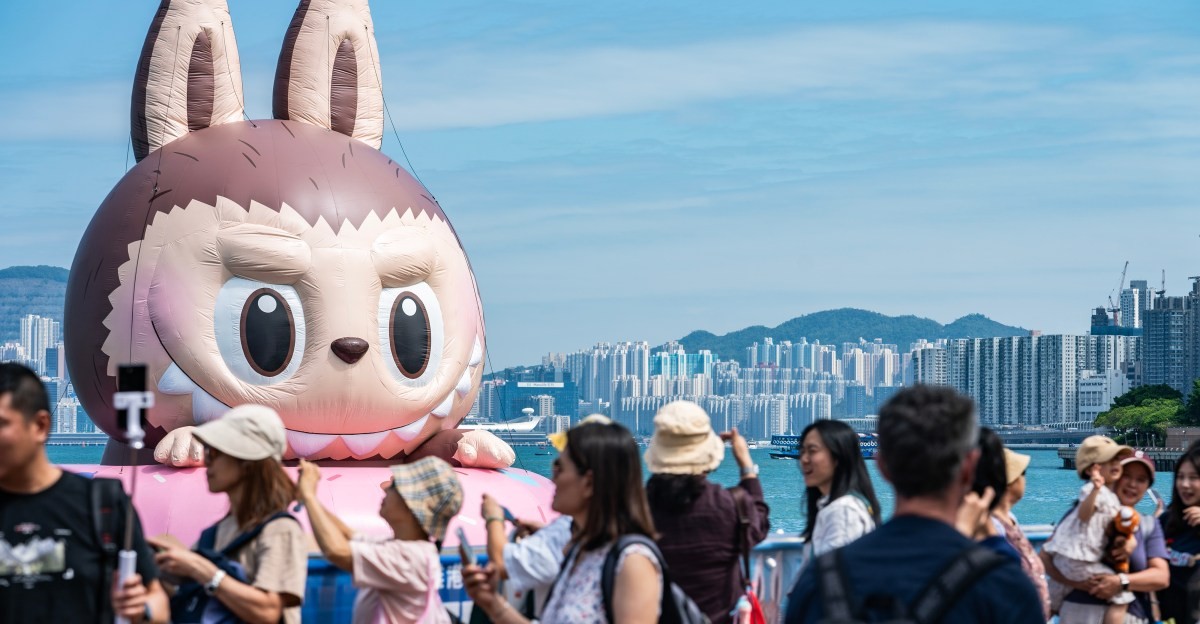
China is quietly reshaping global influence, not through military might or aggressive trade tactics, but through a surge in cultural exports. While geopolitical tensions with the US remain, Beijing has found a new way to gain leverage: by making its entertainment and products irresistible to international audiences.
The Shift in Strategy
For years, China’s economic power has been evident in manufacturing and technology. However, its cultural reach remained limited. Now, this is changing. In 2025, a wave of Chinese movies, video games, and even toys like “Labubu” have broken through globally. This isn’t accidental. The Chinese Communist Party is actively funding cultural industries, recognizing their potential to shape perceptions and drive economic growth.
From Nhe Zha to Black Myth: Wukong
The success stories are striking. Nhe Zha 2, an animated film based on Chinese mythology, became the highest-grossing animated movie ever. It’s unusual for Chinese films to gain traction in Western markets, but this one did. Meanwhile, Black Myth: Wukong, a video game rooted in Chinese folklore, drew massive international interest and even boosted tourism to locations featured in the game.
These aren’t isolated incidents. Pop Mart’s “Labubu” collectible toys, known for their “ugly cute” aesthetic and blind-box format, exploded in popularity worldwide. The phenomenon highlights how Chinese culture is penetrating markets previously dominated by Western brands.
Generational Change and Funding
This shift has two key drivers. First, the creators behind these exports are often in their late 30s or early 40s, a generation that grew up with relatively open access to global culture during China’s economic rise. They absorbed foreign influences and are now blending them with Chinese traditions.
Second, the CCP is investing heavily in these industries. While previously prioritizing manufacturing and tech, the party now recognizes the strategic value of soft power. This means easier funding for cultural projects and fewer restrictions—though China still maintains strict controls on content that violates its political standards.
The Future of Cultural Influence
China’s cultural exports are likely to continue expanding. The focus will likely remain on family-friendly entertainment, where censorship is less restrictive. The goal isn’t just entertainment: it’s about shifting perceptions. As more consumers buy Chinese products and engage with Chinese media, their views of the country will inevitably evolve.
China’s soft power strategy isn’t about replacing Western dominance; it’s about creating a parallel cultural ecosystem that gradually gains influence. This approach, while subtle, is proving to be remarkably effective.