




















Former President Donald Trump systematically undermined the integrity of the Department of Justice (DOJ) during his administration, turning it into an instrument of personal and political retribution. This wasn’t simply a matter of policy shifts; it was a deliberate dismantling of institutional safeguards, prioritizing loyalty over legal standards, and weaponizing federal law enforcement against perceived enemies. The consequences extend beyond individual cases, eroding public trust and setting a dangerous precedent for future administrations.
The First Wave: Loyalty Over Law
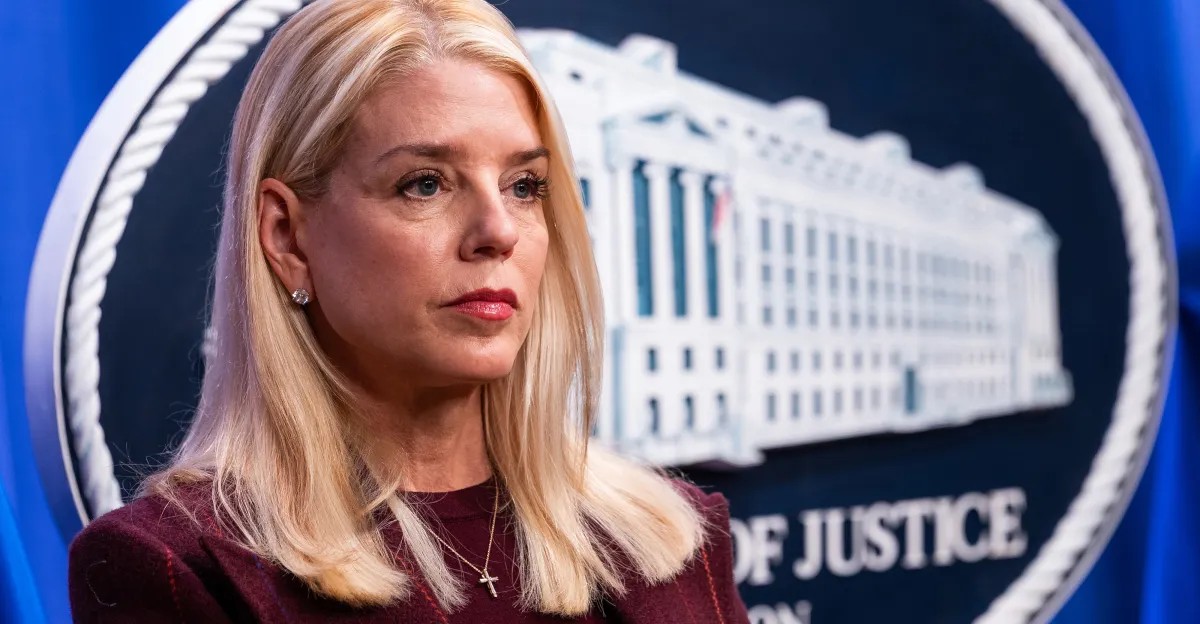
From day one, Trump installed allies like Pam Bondi as Attorney General, signaling a clear shift in priorities. Bondi’s first-day memo blitz paused enforcement of anti-corruption laws, prioritizing the President’s agenda over constitutional principles. This wasn’t just bureaucratic maneuvering; it was a blatant signal that the DOJ would operate as an extension of the White House, not as an independent enforcer of the law. The pardoning of January 6th insurrectionists further underscored this disregard for accountability. Prosecutors who spent years building these cases were effectively told their work meant nothing.
The Purge and Politicized Prosecutions
The administration didn’t stop at policy changes. Career attorneys were fired, reassigned, or forced to resign for refusing to bend to political pressure. The case of Elizabeth Oyer, a pardon attorney reassigned to vet Mel Gibson for a pardon based on alleged personal ties to Trump, exemplifies this ruthlessness. When Oyer refused to rubber-stamp the pardon due to Gibson’s history of domestic violence, she was immediately fired. This wasn’t an isolated incident; it was a pattern of intimidation and retaliation against those who dared uphold ethical standards.
Civil Rights Under Fire
Even ostensibly non-partisan divisions like the Civil Rights Division were corrupted. The “Firefighter Cases” in Georgia, where Black applicants were systematically denied positions due to discriminatory hiring practices, illustrate the extent of this damage. When the DOJ sought to dismiss the case, Attorney General Bondi demanded language explicitly framing the situation as reverse discrimination, effectively shielding the fire department from accountability. The refusal of career attorneys to sign off on this twisted rationale highlights the internal resistance, but also the pressure they faced.
Resource Allocation as a Weapon
Trump further weaponized the DOJ by diverting resources toward immigration enforcement, stripping manpower from critical areas like white-collar crime, national security, and child exploitation. This wasn’t merely a shift in focus; it was a strategic weakening of law enforcement capabilities in areas that didn’t align with the administration’s priorities. FBI agents were pulled off long-term investigations to focus on immigration sweeps, leaving more serious crimes under-investigated.
The Cycle of Retribution
The most alarming aspect of Trump’s DOJ legacy is the normalization of political interference and the looming threat of future retaliation. Some officials openly discussed compiling lists of “career people” to hold accountable in the next administration, signaling a willingness to weaponize the DOJ in kind. This tit-for-tat mentality threatens to spiral into a self-destructive cycle, undermining the rule of law and eroding public trust beyond repair.
The Erosion of Stability
The average American may not immediately feel the consequences of a politicized DOJ, but the long-term implications are profound. The stability of law, a cornerstone of American prosperity and social well-being, is undermined when presidents can arbitrarily deploy federal law enforcement against their opponents. Once the separation between the White House and the DOJ is broken, the system becomes vulnerable to abuse, and the odds that ordinary citizens will eventually become targets increase dramatically.
The damage done by the Trump administration’s DOJ is not merely a matter of past wrongdoing; it is a warning about the fragility of democratic institutions and the dangers of unchecked executive power. The rule of law is not a game, and its degradation threatens the very foundations of American society.