
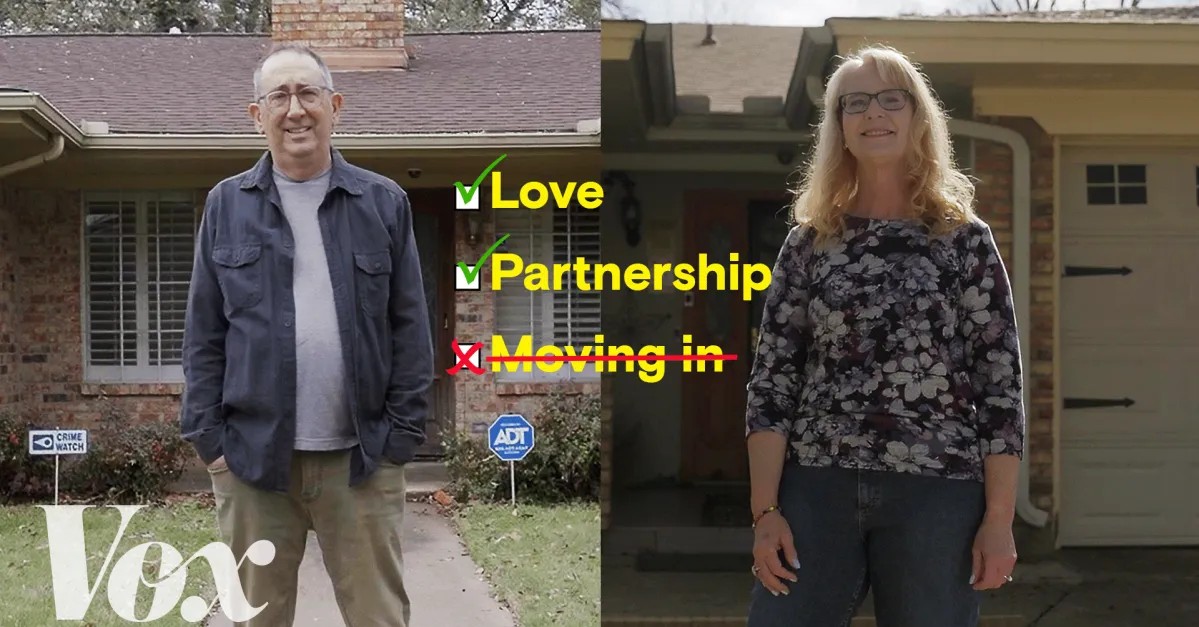
For decades, the conventional path to a serious relationship has been clear: meet, connect, fall in love, then move in together. However, an increasing number of couples are challenging this expectation by choosing to remain in separate homes even while deeply committed to one another. This arrangement, known as “Living Apart Together” (LAT), is gaining traction, particularly among older generations.
The Rise of LAT Relationships
Data shows a significant shift in how couples structure their lives. Between 2000 and 2019, the number of married couples choosing to live separately increased by over 25%. This isn’t a fringe phenomenon; it’s a growing trend, especially prevalent among individuals in their 50s and 60s who are often already established in their careers and lifestyles.
The appeal is simple: maintaining independence while enjoying the benefits of a committed partnership. For many, this means preserving personal space, financial autonomy, and established routines – all factors that can be disrupted by cohabitation.
Why Choose Separation?
The traditional view equates shared living with deeper commitment, but for some, it’s the opposite. Moving in can introduce friction, strain finances, and blur boundaries. LAT couples often cite a desire to avoid these issues, preferring to nurture their connection through intentional quality time rather than constant proximity.
This isn’t just about avoiding conflict; it’s also about respecting individual needs. Some partners thrive in solitude, while others value the freedom to pursue hobbies or social lives independently. LAT allows for both.
A Changing Landscape of Commitment
The rise of LAT relationships reflects a broader shift in how we define partnership. Marriage and long-term commitment are no longer synonymous with merging households. Instead, couples are redefining what works for them, prioritizing individual well-being alongside emotional connection.
This trend also raises questions about societal norms: are we simply conditioned to believe that shared living is the ultimate symbol of love, or is it genuinely the best model for all relationships?
Further Exploration
For those curious to learn more, resources like Vicki Larson’s book, LATitude, and podcasts like “Learn to Love” offer deeper insights into this lifestyle. Articles from The New York Times, Time, and AARP provide additional perspectives on the growing appeal of LAT, particularly for older adults. Online communities like the “Apartners” Facebook group offer a space for LAT couples to connect and share experiences.
Ultimately, the choice to live apart together is a personal one. As relationship dynamics evolve, couples are proving that love and commitment can thrive even without shared walls.