A recent viral interaction involving influencer Clavicular has reignited a debate regarding the cultural origins of “looksmaxxing”—a term used to describe the intense, often extreme, pursuit of physical perfection.
The confrontation, which took place during a live stream on the platform Kick, saw a group of trans women challenge the influencer over whether his community or theirs truly pioneered the trend of aesthetic optimization.
The Encounter: “Mogging” and Identity
The incident began while Clavicular (real name Braden Peters, 20) was dining at a restaurant in Florida. After being prompted by his associate, Andrew Morales, the camera focused on three women at the venue. The women approached the table, engaging Clavicular in a discussion centered on internet slang and gender identity.
Key moments from the exchange included:
– Mogging: One woman used the term “mogging” to describe outshining someone else in terms of physical attractiveness.
– Dragqueenmaxxing: The women identified their high-effort aesthetic as “dragqueenmaxxing.”
– The Claim of Primacy: The women asserted that trans women are the “OG looksmaxxers,” arguing that the community has long utilized specialized routines to achieve specific aesthetic goals.
During the conversation, the women detailed their own regimens, mentioning the use of peptides and hormone replacement therapy (HRT) to manage their appearance. Clavicular acknowledged that trans women on platforms like Reddit had been utilizing similar terminology as early as the early 2020s.
Defining “Looksmaxxing” and Its Context
To understand why this debate matters, it is necessary to define the practice. Looksmaxxing refers to a spectrum of self-improvement techniques aimed at maximizing one’s physical attractiveness. This can range from basic grooming to extreme interventions, including:
– Strict fitness and nutrition regimens.
– The use of steroids and hormones.
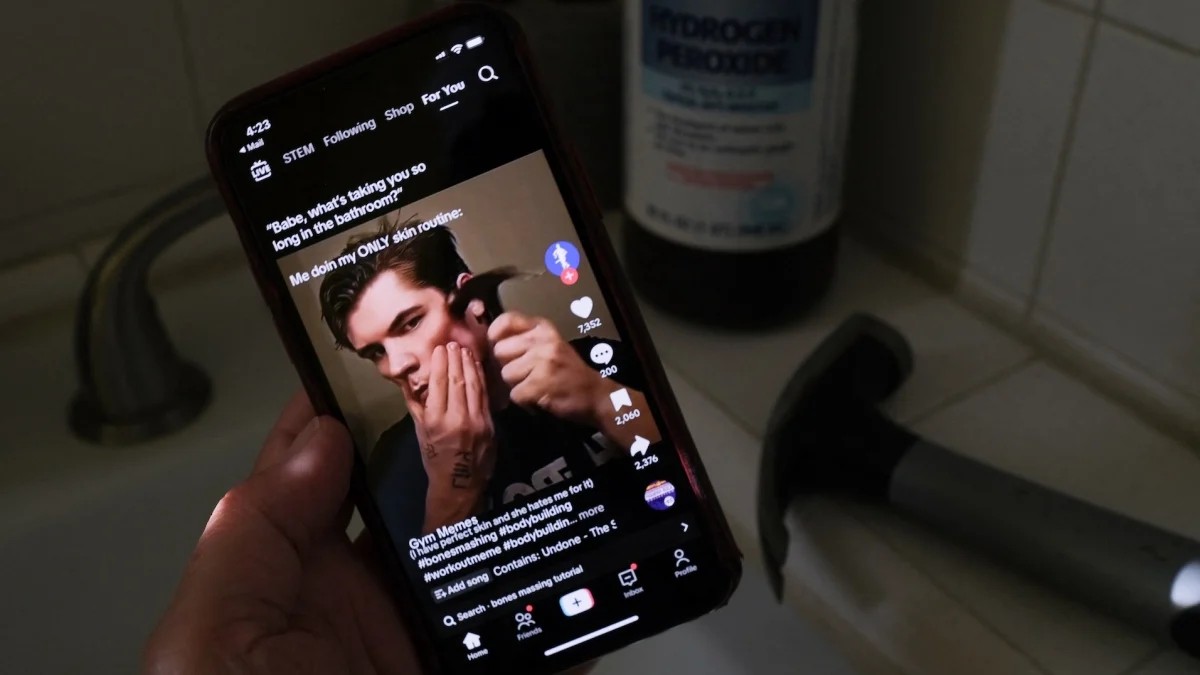
– Cosmetic surgeries and controversial techniques like “bonesmashing.”
While the term is currently a staple of “manosphere” and incel (involuntarily celibate) subcultures, the debate highlights a deeper historical reality. While the specific slang may have been popularized by male-centric online communities in the early 2020s, the practice of using medical, hormonal, and aesthetic tools to alter one’s appearance has been a fundamental part of the transgender experience for decades.
Tensions and Controversies
The interaction was not without friction. While Clavicular maintained a detached, “bored” demeanor and declined to judge the women’s appearances, his associate Morales voiced several transphobic sentiments, repeatedly apologizing for finding the women attractive once their identities were revealed.
The incident also brings Clavicular’s own background into focus. While his specific political stances remain somewhat ambiguous, he has a history of collaborating with right-wing influencers and figures within the “manosphere,” leading to ongoing scrutiny regarding his views on gender and identity.
The debate over “looksmaxxing” is more than a dispute over internet slang; it is a clash between a modern subculture built on aesthetic obsession and a long-standing community that has used similar tools for survival and identity affirmation.
Conclusion
The viral clash highlights the overlapping, yet often conflicting, histories of different online subcultures. While the “manosphere” may have branded the movement, the practice of intensive physical optimization remains a deeply rooted element of the trans experience.