
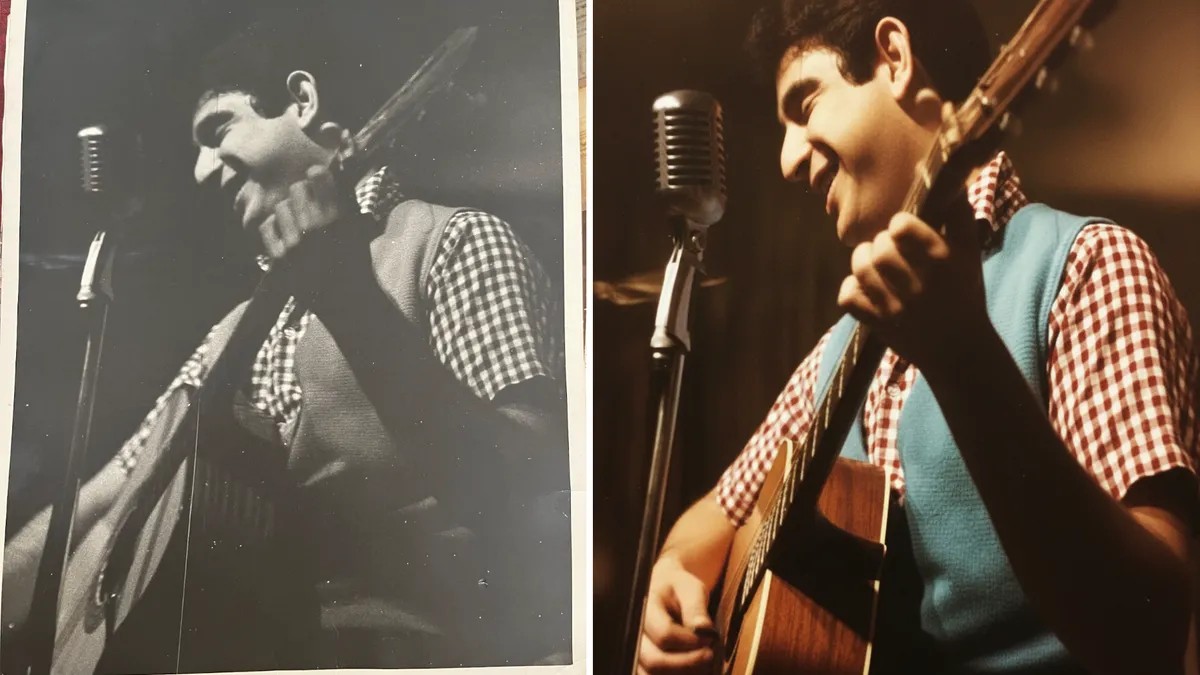
Old photographs, often faded and damaged, hold irreplaceable personal history. The process of restoring and colorizing these memories used to be laborious, requiring specialized skills and extensive manual effort. Now, with the advent of generative artificial intelligence (AI), breathing new life into these images is more accessible than ever.
Digitizing Your Past
The first step is getting those physical memories into a digital format. While a dedicated scanner produces the cleanest results, high-resolution photos taken with a smartphone or camera under good lighting are a viable alternative. The key is clarity : the better the initial digital image, the better the AI can perform.
Choosing the Right AI System
Several AI platforms offer photo restoration and colorization features. Adobe Firefly stands out for its generative capabilities, seamless integration with professional editing tools like Photoshop, and ability to patch damaged areas. Other options exist, but Firefly’s blend of power and usability makes it a strong choice.
Step-by-Step Restoration Process
The process isn’t fully automatic: thoughtful prompting and refinement are still vital.
-
Upload Images Individually: Processing photos one at a time yields better results. AI systems excel when focused on specific details.
-
Provide Clear Instructions: The more specific your prompts, the better the outcome. Describe the damage (scratches, water spots, cracks) and desired changes (e.g., “remove text from the background,” “enhance lighting”).
-
Refine Results: AI-generated restorations often require touch-ups. Expect to iterate with further prompts to achieve the desired look. AI isn’t perfect : it sometimes makes unexpected adjustments (like cropping images differently) that need manual correction.
-
Work in Stages: Severely damaged photos benefit from a phased approach. First, enhance lighting and remove blemishes. Then, apply colorization. Trying to fix everything at once can lead to unpredictable results.
The Importance of Detail
Generative AI tools are powerful, but they still need guidance. The better the prompts, the more accurate the restoration. For example, an AI system might attempt to “fix” a faded signature on an old photo, inadvertently altering historical details. Human oversight is essential to ensure accuracy and preserve authenticity.
In conclusion, generative AI has democratized photo restoration. While the technology isn’t flawless, it significantly reduces the time and expertise needed to revive cherished memories, making it possible for anyone to preserve their family history in vivid detail.