
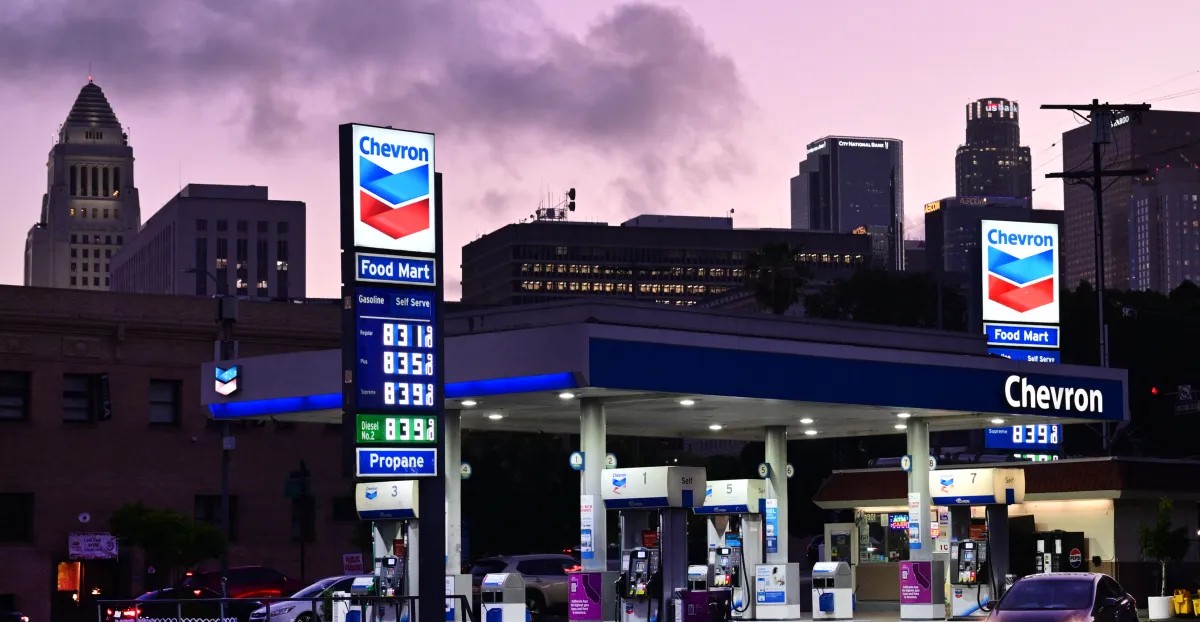
Gasoline prices are steadily climbing amid ongoing geopolitical tensions, including the conflict involving the United States, Israel, and Iran. As of March 23, the national average hit $3.96 per gallon – nearly a dollar higher than before the recent escalation. This price surge is bringing electric vehicles (EVs) closer to a tipping point in affordability, where owning an EV becomes cheaper than driving a gasoline-powered car.
The Economics of Switching
BloombergNEF estimates that once gas prices exceed $4 per gallon, the total cost of EV ownership (including electricity, maintenance, and depreciation) begins to undercut traditional vehicles. This crossover varies by location, but even with higher electricity costs, the trend holds. For example, in California, where gas already exceeds $5 a gallon, EVs are demonstrably the more economical choice.
This shift isn’t just theoretical. A 2022 AAA survey showed that a majority of Americans alter their driving habits when gas hits $4 per gallon. Industry experts at Cox Automotive confirm that rising fuel costs immediately spark consumer interest in alternatives.
Historical Trends and Consumer Behavior
The move to EVs mirrors past reactions to oil shocks. In the 1970s and 80s, high gas prices drove demand for more fuel-efficient cars, particularly from Japanese automakers. Today, consumers are again seeking ways to avoid fuel costs, and EVs offer insulation from volatile gasoline markets. Unlike fluctuating pump prices, retail electricity rates remain far more stable.
However, several factors could slow the transition. The duration of high gas prices remains uncertain. Limited charging infrastructure and the upfront cost of EVs are still barriers. Consumers often prioritize initial purchase price over long-term savings, and broader economic uncertainty can deter large purchases.
Market Signals and Equity Concerns
Despite these hurdles, EV interest is rising. Edmunds.com reports increased search traffic for EVs since the latest conflict began, mirroring a 69% sales jump during the 2022 oil price spike triggered by Russia’s invasion of Ukraine.
The price gap between EVs and gas cars is narrowing. Cox Automotive data shows a record-low $6,532 premium for new EVs and just $1,334 for used models, with some brands now cheaper used than their gas counterparts.
Yet, the transition also highlights equity issues. Low-income households, who spend the largest proportion of their income on gasoline, are least likely to afford EVs or have access to charging. Experts emphasize that the financial benefits of EVs are most significant for those who can least access them. Dealers may also lack incentives to fully explain the long-term savings of electric ownership.
The Bigger Picture
Even if high gas prices subside, EVs are already reducing oil demand. Ember reports that EVs displace around 1.7 million barrels per day, roughly 70% of Iran’s oil output. This trend, combined with the lack of effective policy tools to control fuel prices, suggests that consumers may shift to EVs regardless of government intervention. The only real solution, as one energy analyst put it, is “to get off the roller coaster,” and EVs offer a viable escape.