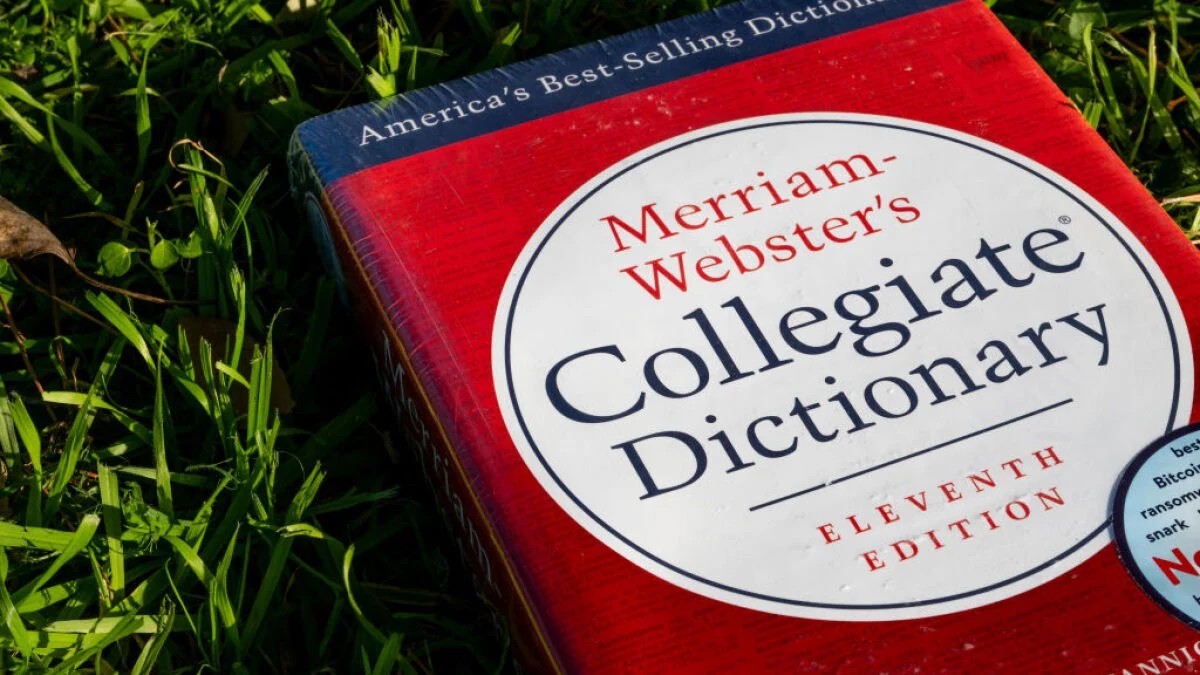
Merriam-Webster has declared “slop” its word of the year for 2025, reflecting a significant shift in digital content and the rise of artificial intelligence. The term, defined by the dictionary as “digital content of low quality produced in quantity by means of artificial intelligence,” encapsulates a year dominated by AI-generated material flooding the internet.
The Flood of AI Content
The explosion of AI-generated content reached a tipping point in 2025. Platforms like social media, video streaming services, and even official government channels (such as the White House X feed) became saturated with low-effort, often questionable material. The proliferation of AI video models – including Google’s Veo 3 and OpenAI’s Sora 2 – enabled the creation of realistic yet often misleading videos with unprecedented ease.
The sheer volume of this content earned it the term “slop,” which has come to signify anything generic, disposable, or purely for engagement’s sake. This includes AI-generated deepfakes, bizarre images, and even the latest output from major entertainment franchises.
Why “Slop” Matters
This trend isn’t merely an aesthetic issue; it has practical consequences. The increasing difficulty in distinguishing between real and AI-generated content is raising concerns across multiple sectors, including legal (anti-deepfake clauses in wills) and entertainment (low-impact streaming content). Big tech companies actively encouraged this proliferation, integrating AI into their core business strategies to maximize content output.
The rise of “slop” highlights a fundamental shift in how we consume and perceive digital information. As AI becomes more sophisticated, the line between reality and fabrication blurs, demanding greater scrutiny from both creators and consumers.
Beyond AI: A Broader Cultural Shift
The term “slop” has even extended beyond AI-generated material, becoming shorthand for low-effort content in gaming (“friendslop” for casual multiplayer) and other areas. This signifies a broader cultural acceptance of disposable content, where quantity often trumps quality.
The dictionary’s choice of “slop” acknowledges the inescapable reality of the current digital landscape. The term has become synonymous with “content for content’s sake,” reflecting a market that prioritizes volume over substance.
In conclusion, Merriam-Webster’s word of the year underscores a critical moment in the evolution of the internet. The dominance of AI-generated “slop” isn’t just a trend, but a defining characteristic of 2025’s digital culture.