The health care system struggles with missed follow-up appointments, leading to delayed diagnoses, increased costs, and preventable patient harm. Nearly half of recommended radiology follow-ups are ignored, according to studies from the University of Washington and Lahey Hospital, costing the industry an estimated $3 million annually. Inflo Health, an AI platform founded by critical care nurse Angela Adams, is designed to close this gap, ensuring that critical findings don’t vanish into administrative chaos.
The Personal Cost of Missed Follow-Ups
Adams’ motivation stems from a tragic personal experience. A friend, diagnosed with acute appendicitis, had a suspicious breast lesion detected during a CT scan. The finding was documented but never communicated to her primary care physician. Ten months later, the lesion was diagnosed as metastatic breast cancer. She died a year and a half after that, in 2020. This event led Adams and CTO Nate Sutton to create Inflo Health, built on the principle of “never miss a follow-up.”
How Inflo Health Works
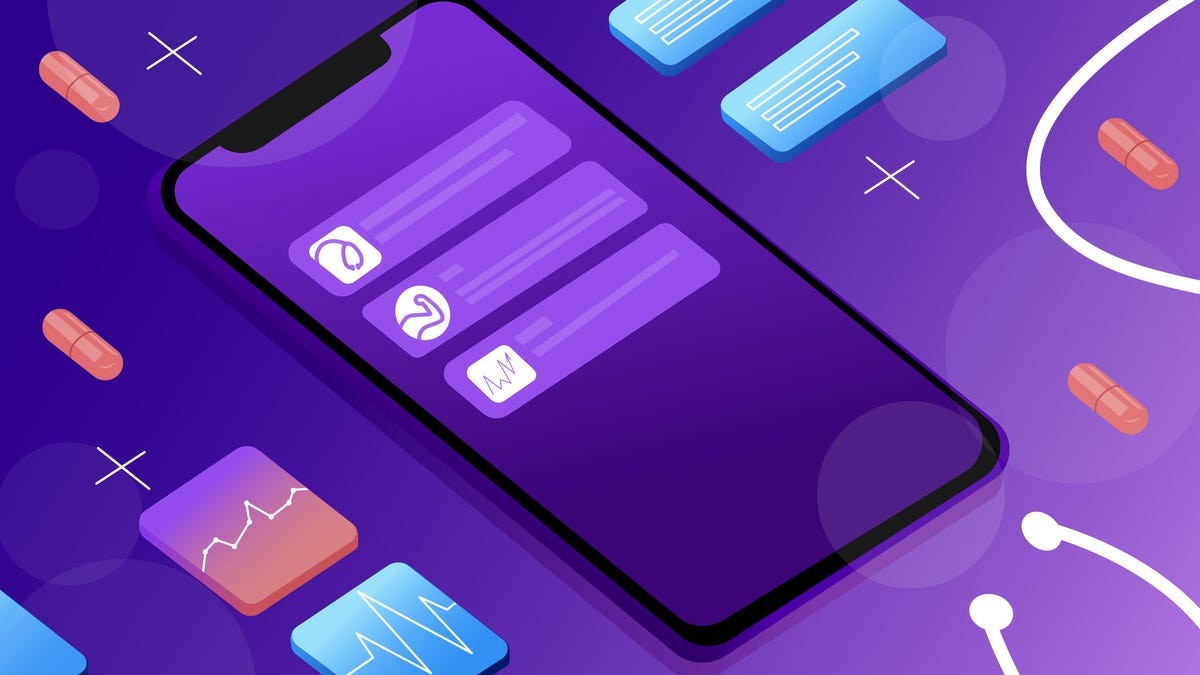
Modern imaging, often aided by AI, increasingly detects incidentalomas – unexpected findings unrelated to the primary scan reason. These discoveries require follow-up, straining an already overloaded system. Inflo Health uses natural language processing (NLP) and large language models (LLMs) to automatically scan radiology reports, extract key data, and prioritize urgent cases. The platform then integrates with existing hospital workflows, sending automated text messages and notifications to both patients and providers.
The automation handles 60-70% of routine follow-up cases. Complex scenarios, such as oncology follow-ups, are escalated to human care coordinators. This hybrid approach aims to free up clinicians to focus on high-risk cases, rather than getting bogged down in manual tracking.
The Systemic Problem
Historically, health care relied on direct communication between radiologists and primary care doctors. Now, systems are automated, but the transition hasn’t been seamless. Adams argues that health care lags behind other industries in technology adoption. Throwing more staff at the problem is unsustainable; AI offers a scalable solution.
Real-World Results
Early results suggest Inflo Health can significantly improve follow-up rates. East Alabama Medical Center saw a 74% increase in completed follow-ups after implementing the platform, as reported by the American College of Radiology. The company claims to have impacted 125,000 lives to date.
“Technology’s highest calling is to give humans back the two most important things in life that you cannot buy, which are health and time,” Adams emphasizes.
Inflo Health isn’t about replacing clinicians; it’s about empowering them with better tools to deliver more reliable, timely care. The platform serves as a reminder that even in a highly regulated field like medicine, efficiency and communication can have life-or-death consequences.