
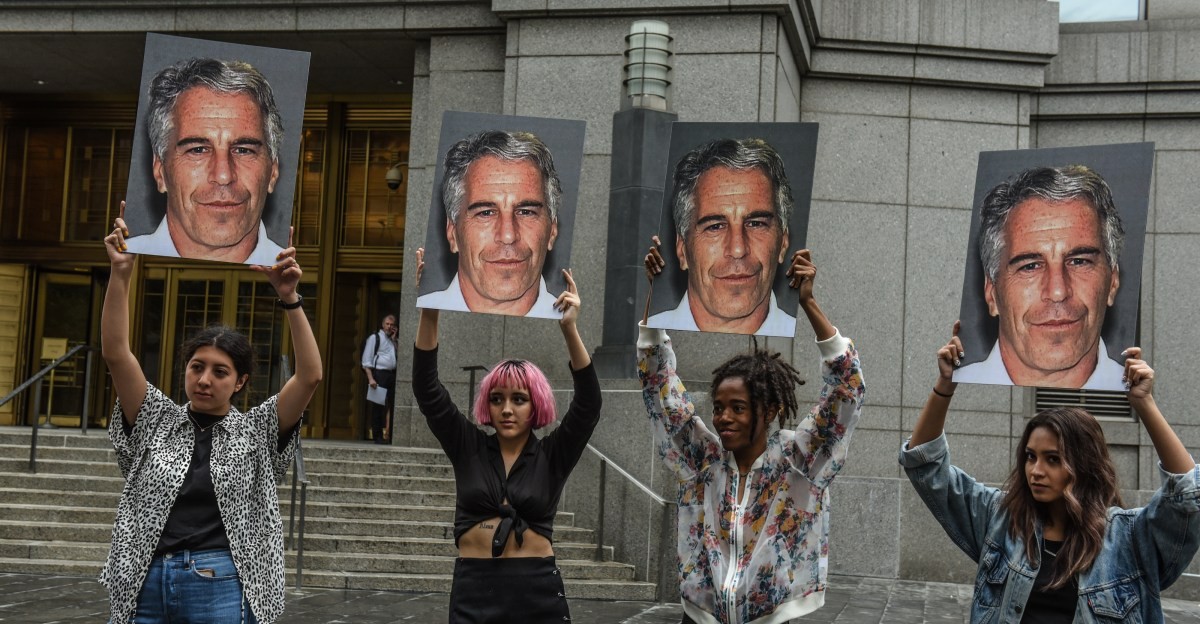
Hundreds of thousands of pages from Justice Department investigations into Jeffrey Epstein are being released, and the inevitable surge of misinformation is already looming. While these documents hold potential for uncovering crucial truths about a high-profile scandal, their chaotic release demands a cautious and critical approach. The core issue isn’t just what is revealed, but how it’s interpreted – especially given the speed and virality of online discourse.
The Inevitable Misinformation Cycle
The nature of social media guarantees that unsubstantiated claims, out-of-context snippets, and outright falsehoods will spread rapidly. Outrage drives engagement, meaning sensationalized (and often inaccurate) takes will dominate conversations. The documented facts about Epstein – his abuse of minors and connections to powerful figures – are already fertile ground for conspiracy theories. Expect any ambiguous detail in the released files to be weaponized to reinforce pre-existing biases.
Investigatory files are inherently messy: they contain hearsay, unverified leads, and potentially damaging but unproven allegations. This is precisely why such documents are rarely made public, as they can smear reputations without due process.
The Case of David Brooks: A Cautionary Tale
The speed at which accusations can outpace verification was recently demonstrated with journalist David Brooks. A photograph of him at a dinner also attended by Epstein sparked immediate outrage online, with many jumping to conclusions about his complicity. However, Brooks clarified that he had never met Epstein, and the photo was from a public event years prior. This illustrates how quickly context can be ignored in favor of viral outrage.
The responsible approach would have been to pause, verify the facts (when the dinner took place, who else attended), and assess the information rationally. Instead, the default reaction was immediate condemnation. This highlights a fundamental problem: many are more interested in proving their existing beliefs than discovering the truth.
The Bigger Questions: What Truly Matters?
The most pressing questions surrounding the Epstein scandal remain unanswered. How did he amass his wealth? What was his potential connection to intelligence agencies? Was his death a suicide, as authorities claim? And crucially, was Donald Trump involved in his crimes?
While journalists have pursued these questions, skepticism persists. Many believe the official narrative is incomplete. One of the most critical, yet largely unexplored, areas is whether investigators believed other men participated in Epstein’s crimes, and why none were charged.
The Key Focus: Accountability Beyond Epstein
Hundreds of women have accused Epstein of abuse, with some alleging he trafficked them to other powerful individuals. Despite these claims, no one beyond Epstein and Ghislaine Maxwell has faced criminal charges. The released files may contain candid assessments from prosecutors and investigators regarding this issue: what evidence did they uncover, and why did they choose not to prosecute?
This is where the most valuable information may lie. Less credible are raw tips, rumors, or unverified leads from the investigation phase. Not every source is honest, and not every lead pans out.
Ultimately, responsible consumption requires skepticism, verification, and a focus on the bigger picture. Don’t treat these files as gospel truth, but as another piece of the puzzle. Assess the source, evaluate corroboration, and consider how the information fits into the known timeline. The goal isn’t to confirm pre-existing biases, but to understand what actually happened and who was truly accountable.