
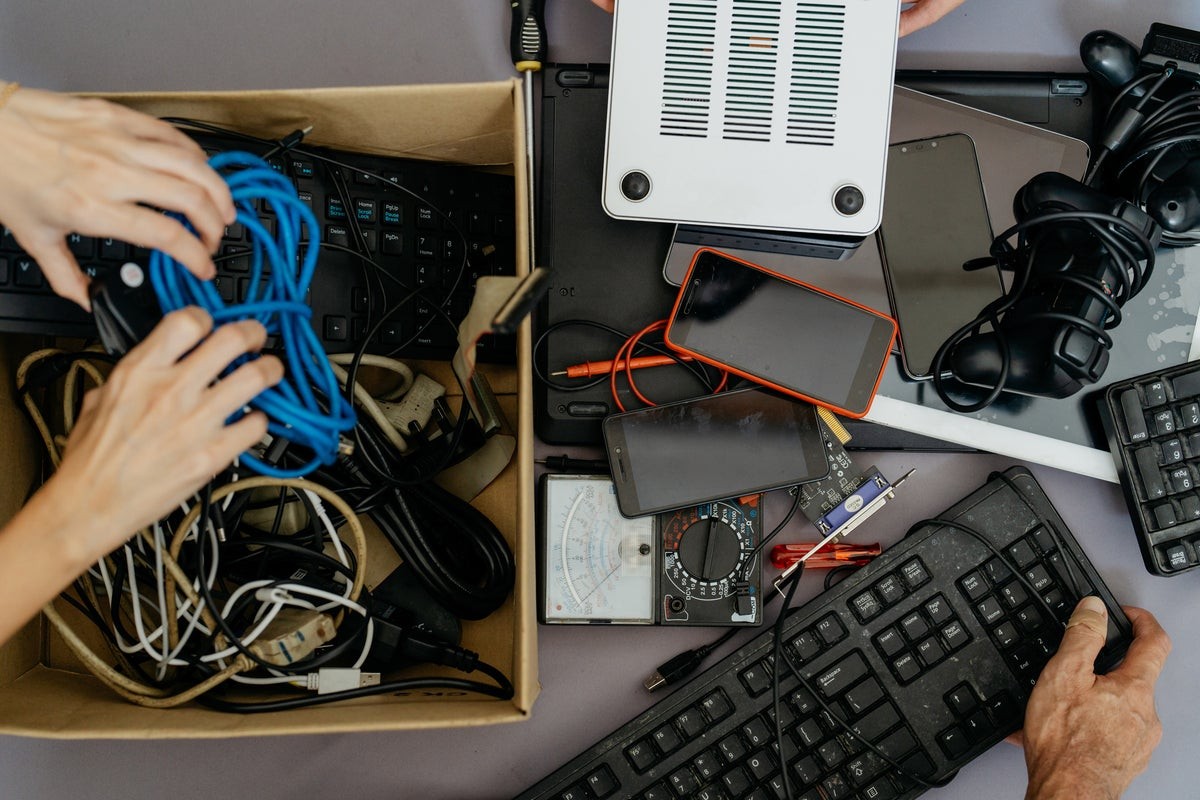
Most households have a “junk drawer” or a closet filled with forgotten relics of the digital age: old smartphones, tangled charging cables, outdated laptops, and obsolete fitness trackers. While these devices may seem like harmless clutter, they represent a massive global challenge known as e-waste.
In 2022 alone, the world generated roughly 62 million metric tons of electronic waste. Alarmingly, according to United Nations estimates, only about 22% of that was properly recycled. This gap creates a dual problem: a growing environmental hazard and a massive loss of valuable resources.
The Hidden Value (and Danger) in Your Old Tech
Recycling electronics is significantly more complex than recycling a cardboard box or a plastic bottle. While paper is relatively uniform, an electronic device is a complex cocktail of materials.
1. Environmental Protection
When electronics are tossed into standard landfills, they don’t just sit there. They can leak toxic substances into the soil and water ecosystems, including:
* Mercury
* Lead
* Cadmium
* Arsenic
2. Resource Recovery
On the flip side, electronics are “urban mines.” They contain precious metals and rare earth elements that are difficult and environmentally damaging to extract through traditional mining. By recycling, we can recover:
* Gold, silver, and copper
* Steel and aluminum
* Specialized plastics and glass
Why this matters for your wallet: Increasing the efficiency of mineral recovery from old devices can bolster the domestic supply chain. As experts note, a more robust recycling loop for rare minerals could eventually help lower the retail price of future electronics.
How to Dispose of Devices Safely
The biggest barrier for many consumers is the fear of identity theft. If you are worried about your personal data, follow these steps:
- Perform a Factory Reset: Simply deleting files is not enough. A factory reset restores the device to its original out-of-the-box state. Note: Procedures vary between brands (e.g., iPhone vs. Android), so always consult the manufacturer’s official guide.
- Physical Destruction: For high-security needs, some professional recyclers will physically shred hard drives to ensure data can never be recovered.
Where to Take Your Electronics
Depending on the condition of your device, you have several paths forward:
If the device still works:
- Manufacturer Trade-ins: Companies like Apple offer credits toward new purchases for eligible devices or provide free recycling for older models.
- Donation: Organizations like Goodwill or the Salvation Army accept certain electronics, but it is vital to call ahead to ensure they can process your specific item.
If the device is broken or obsolete:
- Retailers: Large chains such as Best Buy and Staples have established recycling programs. Best Buy also offers appliance haul-away services when you purchase new models.
- Manufacturer Programs: Experts suggest going directly to the manufacturer whenever possible, as they are best equipped to dismantle their own specific components.
- Government Drop-offs: Many local municipalities have dedicated e-waste collection stations. These are highly reliable and often free of charge.
- Mail-in Services: Companies like Amazon and Waste Management allow you to ship items back using specialized boxes.
Tip: Use tools like Recycle Nation to find specific drop-off locations near your zip code.
Summary
Recycling electronics is a complex but essential process that protects the environment from toxic leaks and recovers precious materials that can lower future tech costs. By choosing the right channel—whether it’s a manufacturer trade-in, a retail drop-off, or a government collection site—you turn digital clutter into a sustainable resource.