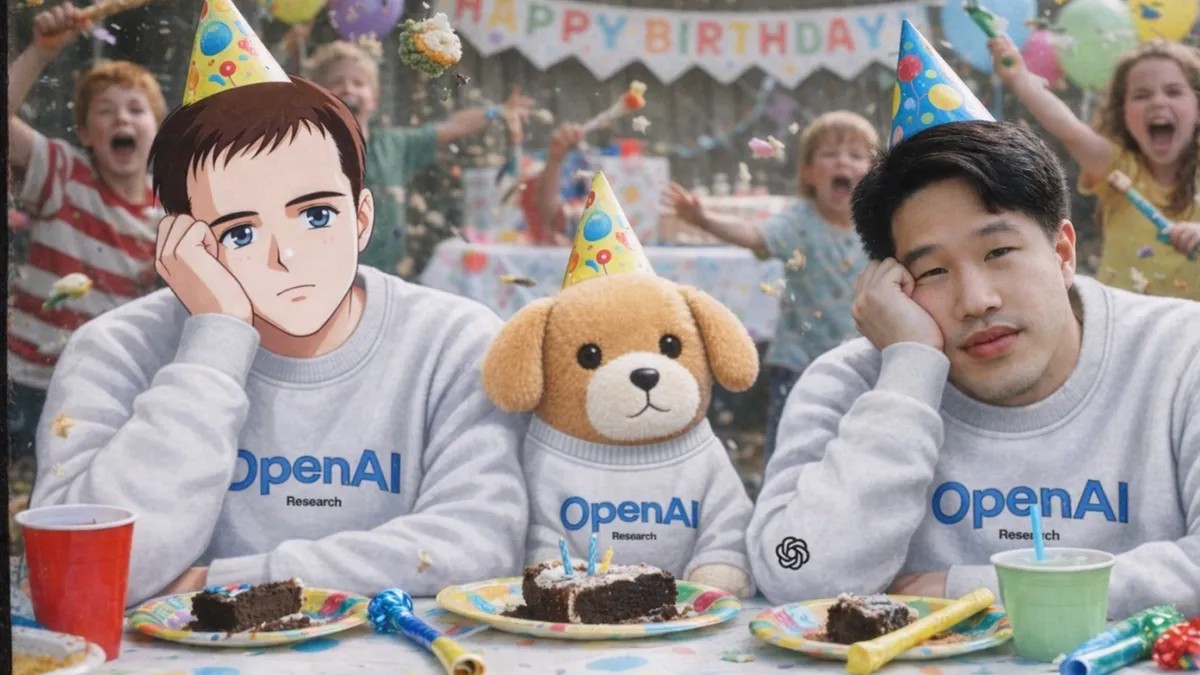
OpenAI has unveiled the latest iteration of its AI image generation model, ChatGPT Images 1.5, in a move widely seen as a counter to Google’s recent strides in the field, particularly the viral success of its Nano Banana Pro. The new model promises significant improvements in speed, instruction-following, and image detail, positioning OpenAI to regain ground in the rapidly evolving landscape of generative AI.
Faster, More Precise Image Creation
The update, now available globally to ChatGPT users and via API (GPT-Image-1.5), introduces a dedicated image creation space within the ChatGPT interface. This marks a departure from the previous method of generating images through text-based chats, providing users with preset styles and trending designs for a more streamlined experience. OpenAI claims the model is four times faster than its predecessor, with enhanced capabilities in precise editing — allowing for object addition, style manipulation, and element removal.
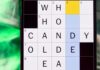
A key focus is improved text legibility in generated images, an area where earlier models consistently struggled. Initial tests suggest progress, though comprehensive evaluation is ongoing. This is critical because the ability to render clear, readable text in AI-generated visuals has been a major hurdle for the technology, and Nano Banana Pro’s success in this area put pressure on OpenAI to catch up.
Disney Partnership and Competitive Pressure
The release comes shortly after OpenAI secured a deal with Disney to integrate over 200 iconic characters into its image and video generation tools, though access to those characters won’t be available until early 2026. This partnership underscores the growing trend of major entertainment companies embracing AI for creative applications.
OpenAI’s aggressive timeline suggests a deliberate response to Google’s Gemini 3, which powered Nano Banana Pro. Reports indicate OpenAI issued an “internal code red” following Gemini 3’s release, highlighting the urgency to maintain competitiveness. The launch of GPT-5.2 last week was another step in this effort.
Ethical Concerns and the Creator Debate
The advancement of AI image generation continues to fuel ethical debates. The ease with which realistic images can be created raises concerns about misinformation, deepfakes, and the potential for unauthorized use of copyrighted material. The controversy surrounding AI-generated art has also reignited discussions about artistic ownership and the impact on human creators.
Figures like Hayao Miyazaki, co-founder of Studio Ghibli, have been vocal in their criticism of AI tools, calling them an “insult to life itself.” The broader creative community has expressed anxiety over AI’s ability to replicate human styles and likenesses without consent, a sentiment amplified by OpenAI’s own video generator, Sora.
The rapid pace of AI development demands careful consideration of its implications for artists, consumers, and society as a whole. OpenAI’s latest move underscores that the competition between tech giants will likely accelerate, forcing continuous innovation while simultaneously intensifying the ethical and legal questions surrounding generative AI.