
The Middle East is witnessing a rapid acceleration in artificial intelligence integration, moving beyond theoretical interest into concrete infrastructure and specialized industrial hubs. Recent developments across the UAE and Egypt signal a strategic shift: the region is no longer just a consumer of AI technology, but is actively building the ecosystems required to host and scale it.
The Rise of AI-Native Finance in the DIFC
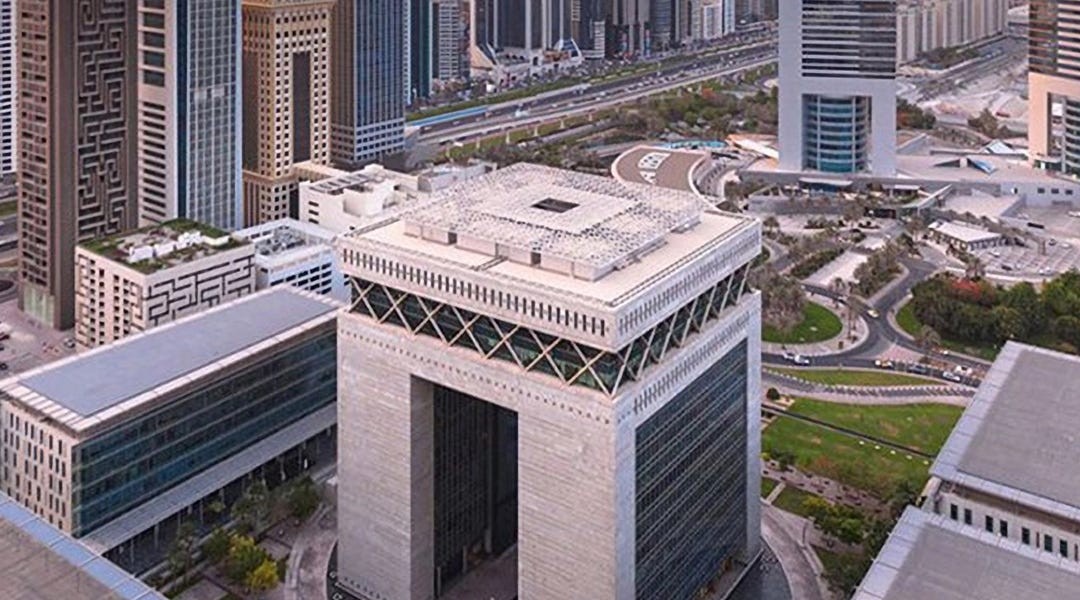
A major milestone is being set by the Dubai International Financial Centre (DIFC), which has announced its ambition to become the world’s first AI-native finance hub.
This move is significant because traditional financial centers are often slowed by legacy systems and regulatory frameworks designed for manual processes. By aiming for an “AI-native” status, the DIFC is looking to integrate machine learning and automated intelligence into the very fabric of its financial infrastructure. This could lead to:
– Faster, automated regulatory compliance (RegTech).
– Enhanced algorithmic trading capabilities.
– More sophisticated risk assessment models.
This initiative positions Dubai as a primary destination for fintech companies that require an environment where AI is not just an add-on, but the foundational operating layer.
Industrial and Startup Expansion in Egypt
While Dubai focuses on the financial layer, Egypt is strengthening its foothold in industrial AI and the broader startup ecosystem.
Valeo’s AI Expansion in Cairo
Automotive technology leader Valeo is expanding its presence in Cairo by establishing a dedicated AI Centre. This move highlights the growing importance of the Egyptian talent pool in the global automotive sector. As vehicles become increasingly software-defined, regional centers like Cairo are becoming vital nodes for developing the complex algorithms required for autonomous driving and smart vehicle systems.
A New Hub for Innovation
Complementing this industrial growth, Egypt has launched an ambitious new AI startup campus. This initiative aims to bridge the gap between academic research and commercial viability, providing early-stage entrepreneurs with the resources and space needed to scale AI-driven solutions.
The Broader Trend: From Software to Infrastructure
These developments reflect a broader regional trend: the transition from deploying AI software to building the physical and institutional infrastructure that supports it. Whether through specialized financial zones in the UAE or industrial R&D centers in Egypt, the goal is to create specialized “clusters” that attract global expertise and capital.
The current momentum suggests that the Middle East is strategically carving out niches—specifically in finance and automotive intelligence—to ensure it remains indispensable in the global AI value chain.
Conclusion
The simultaneous expansion of AI-driven financial hubs in Dubai and industrial AI