
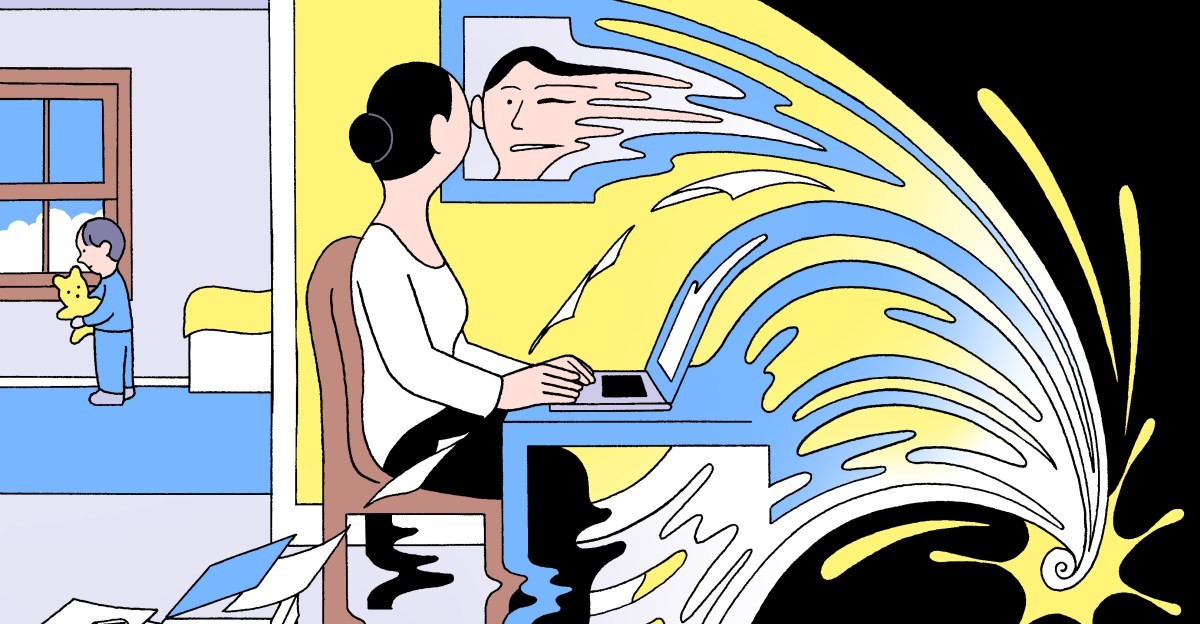
The rise of artificial intelligence is forcing a reckoning for many professionals. The question isn’t if AI will reshape the job market, but when, and whether it’s worth abandoning a fulfilling career for one less vulnerable to automation. Recent discussions even propose a new psychological diagnosis – Artificial Intelligence Replacement Dysfunction (AIRD) – to describe the anxiety workers feel as their roles become increasingly replaceable.
The Looming Threat, and Why It Matters
The fear is real. AI is already infiltrating newsrooms and creative industries, with some leaders openly admitting “resistance is futile.” While complete job eradication isn’t guaranteed, experts predict a significant reduction in knowledge worker roles. Employers, incentivized by cost savings, will automate wherever possible, and a universal basic income remains unlikely due to corporate resistance. This isn’t just about economics; it’s about existential purpose.
Philosopher Rebecca Newberger Goldstein argues that humans need meaning. Losing a career isn’t merely losing income; it’s risking an “existential crisis,” or even chronic depression. Every person is driven by a “mattering project” – something that gives life purpose. When that project is blocked, the consequences can be devastating.
The Trade-Off: Fulfillment vs. Security
Many tech leaders advocate switching to trades like plumbing or electrical work, which are currently harder to automate. However, this isn’t a simple solution. AI development is unpredictable. Even traditionally “safe” manual labor could be automated with future advancements in robotics. Furthermore, retraining takes time, and the physical demands of some trades may not suit everyone.
The more crucial question is what truly matters to you. If your work provides meaning, abandoning it for mere financial security may be self-destructive. Instead of panicking, consider your broader “mattering project.” What drives you? What skills can be adapted to a changing landscape? For some, that might mean retraining as a rabbi or other human-centric profession, where emotional intelligence and community connection remain irreplaceable.
Human Skills Still Matter
The assumption that AI will render all knowledge work obsolete is premature. Human qualities like empathy, critical thinking, and on-the-ground reporting are still vital. AI can assist with data analysis, but it can’t replace the judgment needed to ask the right questions or build trust with sources.
Rather than fearing automation, focus on leveraging AI as a tool. Use it to sift through complex information, hold power accountable, and enhance your work, not replace it. This requires a nuanced understanding of what AI excels at and where human input remains essential.
The Takeaway
The AI revolution is underway, but mass job displacement isn’t inevitable. The key is to adapt, not abandon. Identify your core values, build resilience, and embrace AI as a complement, not a competitor. The future of work will reward those who understand the unique value of being human.