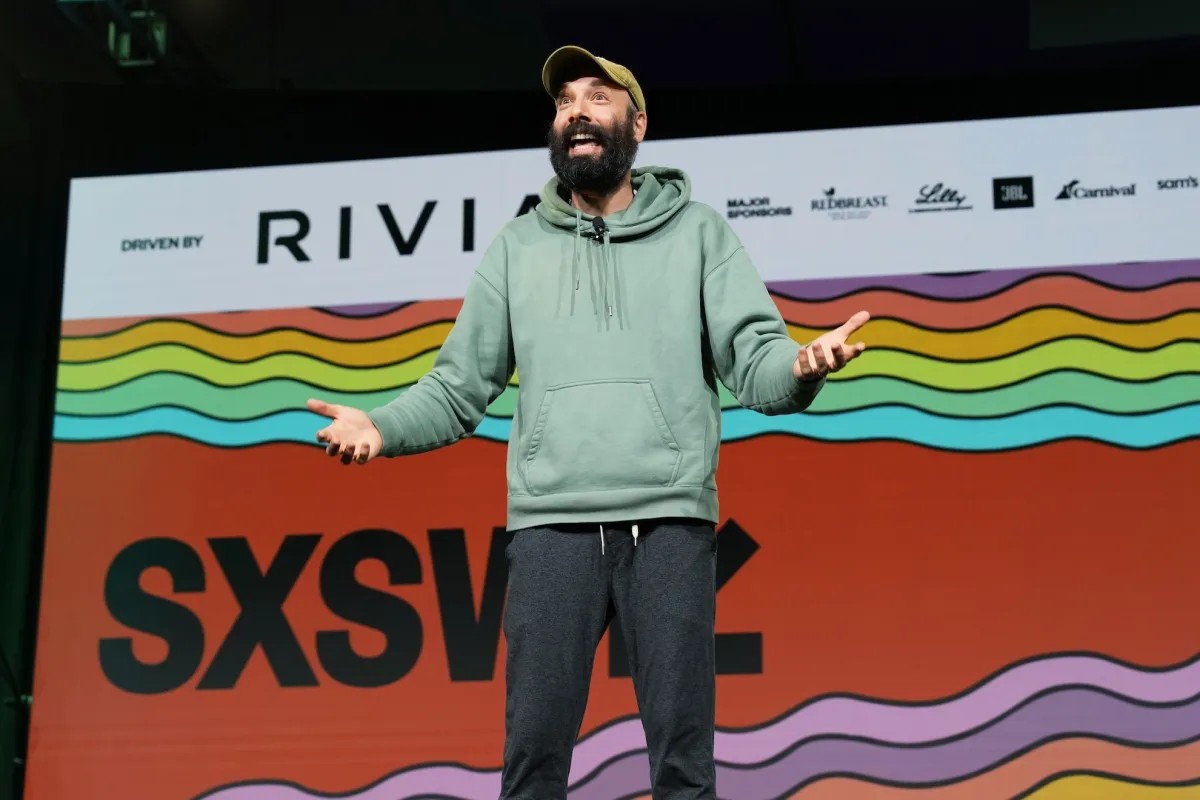
Patreon CEO Jack Conte has sharply criticized the argument made by AI companies that using creators’ work to train their models constitutes “fair use,” calling it a “bogus” justification for unpaid labor. Speaking at the SXSW conference in Austin, Conte made it clear that while he isn’t against AI development, he believes creators are being exploited.
The Core Dispute: Fair Use vs. Compensation
The central conflict lies in the fact that AI companies are simultaneously claiming legal grounds for “fair use” while actively paying major rights holders like Disney, Condé Nast, and Warner Music for their content. If the use of copyrighted material were truly legal under fair use doctrine, the logic follows that no payment would be necessary.
“If it’s legal to just use it, why pay?” Conte asked rhetorically during his speech. “Why pay them and not creators?”
This hypocrisy, as Conte points out, creates a clear double standard. AI firms are profiting off the work of millions of independent artists, writers, and musicians without providing compensation, while securing lucrative deals with large corporations.
The Broader Context: Disruption and Creator Resilience
Conte framed this situation as another in a long line of disruptions that creators have faced since the advent of the internet. From the shift from physical media to streaming services to the rise of short-form video platforms, creators have repeatedly adapted to changing models. However, the scale of AI’s potential impact is significant: it can replicate and build on existing work with unprecedented speed and efficiency.
The CEO’s argument isn’t about halting AI development. Rather, it’s about ensuring that the value generated by creators is recognized and rewarded. He emphasizes the importance of incentivizing creativity, stating that societies that do so thrive more effectively.
The Path Forward: Monetization and Future-Proofing
Conte’s position is clear: AI companies should pay creators for the use of their work. He suggests that Patreon, with its extensive community of artists, could play a role in negotiating these payouts.
The underlying message is that while AI will reshape the creative landscape, human artistry will persist. As Conte puts it, great artists don’t simply replicate the past; they build on it to push culture forward. Societies that prioritize and reward creativity are better equipped for future success.
Ultimately, the debate highlights the urgent need for clear legal frameworks and ethical considerations in the age of AI, ensuring that technological progress doesn’t come at the expense of human creators.