Data center operator Crusoe is significantly expanding its energy storage capacity through major purchases from Form Energy and Redwood Energy. The move reflects a growing trend toward reliable, long-duration energy storage as critical infrastructure for compute-intensive operations.
Crusoe’s Battery Acquisitions: A Strategic Move
Crusoe has secured 12 gigawatt-hours (GWh) of Form Energy’s proprietary 100-hour duration batteries. This follows closely behind Google’s recent $1 billion commitment for 30 GWh of the same technology in Minnesota, underscoring increasing demand for long-duration storage solutions.
While Form Energy did not disclose the exact financial terms of the Crusoe deal, industry analysts estimate it will generate hundreds of millions in revenue for the battery manufacturer. Form is currently raising another $500 million in funding, bringing its total raised to $1.4 billion. Previously, Form focused on smaller-scale pilot projects with utilities, but these large contracts signal its readiness for wider deployment.
Form Energy’s Iron-Air Technology: A Novel Approach
Form Energy’s batteries stand out due to their unique iron-air chemistry. They operate by oxidizing iron in ambient air to produce electricity, essentially creating rust. Reversing the process “de-rusts” the iron, restoring charge. This method allows for sustained energy output over 100 hours, far exceeding the typical 4-hour lifespan of lithium-ion batteries.
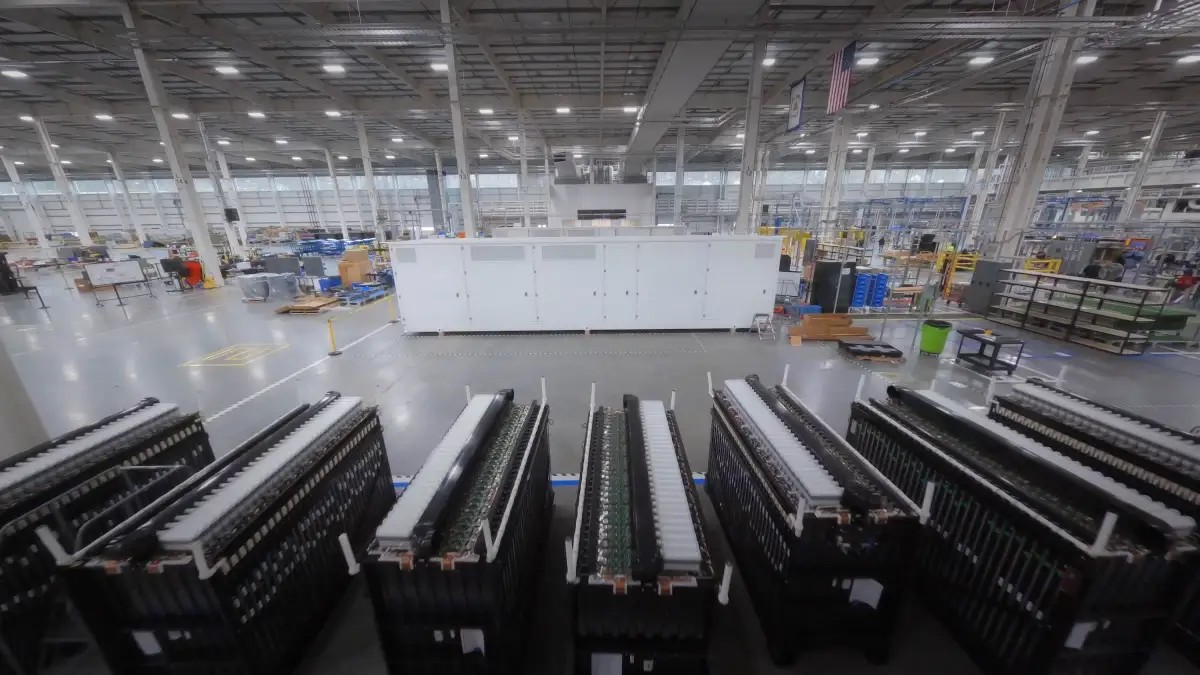
The company is scaling up production at its West Virginia facility to meet growing demand, having anticipated these large-scale contracts. This technology is particularly suited for applications like data centers where continuous power is essential but intermittent renewables like solar and wind may not always be available.
Implications and Market Trends
Crusoe’s investment, combined with Google’s deal, shows that long-duration storage is no longer theoretical but a real market driver. The need for grid-scale solutions that can store energy for days, not just hours, is rising as renewables become more prevalent. Form Energy’s iron-air batteries could disrupt the energy storage landscape, offering a cost-effective and sustainable alternative to traditional lithium-ion systems.
This trend suggests that companies reliant on constant power, like data centers, will increasingly prioritize energy independence through long-duration storage. The future of compute infrastructure may well depend on the ability to store energy efficiently and reliably.