
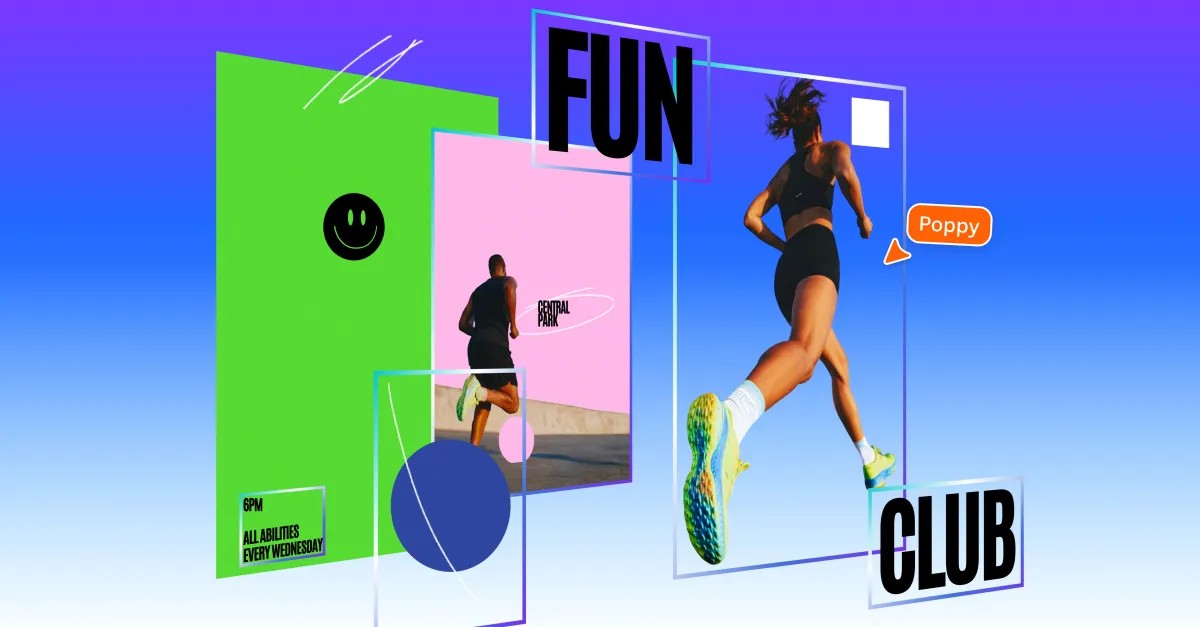
Canva has launched a public beta of its new “Magic Layers” tool, allowing users to transform flat images – including those created with AI – into fully editable designs. The feature, now available in the US, UK, Canada, and Australia, separates image components (objects, text, graphics) into distinct layers, making individual adjustments seamless without disrupting the overall layout.
From Flat to Functional: How Magic Layers Works
Previously, editing AI-generated images meant either starting from scratch or repeatedly refining prompts. Magic Layers bypasses this limitation by retroactively applying structure to existing visuals. Users can now select and modify elements within an image without losing the original design’s integrity. The tool doesn’t only work with AI images, it can also be applied to existing PNG or JPEG files, though the focus is clearly on generative AI workflows.
“Generation is just the beginning — real creative freedom comes from being able to edit without losing momentum,” says Cameron Adams, Canva’s chief product officer.
Why This Matters: The Future of AI-Assisted Design
This update is significant because it addresses a key pain point for designers using AI tools. Generative AI excels at initial creation, but often lacks the precision needed for detailed edits. Magic Layers bridges this gap, giving users manual control without sacrificing the speed and convenience of AI generation. This move also positions Canva ahead of competitors like Adobe, whose current AI editing tools don’t yet offer automated layer separation for entire images.
The Blur Between Human and Machine Creation
While offering more control, Magic Layers also complicates the distinction between human-made and AI-generated designs. The ability to easily edit previously flat AI images makes it harder to verify the origin of artwork. For artists, this could be a double-edged sword: layer separation has historically been a way to prove work was not generated by AI. As generative tools improve, these verification methods may become less reliable.
The rollout of Magic Layers is a clear signal that Canva is doubling down on its AI integration. The company aims to streamline the design process by allowing users to build, refine, and iterate on visuals with unprecedented flexibility. This new feature not only makes editing easier but also raises questions about authorship and the future of creative workflows in an AI-driven world.