
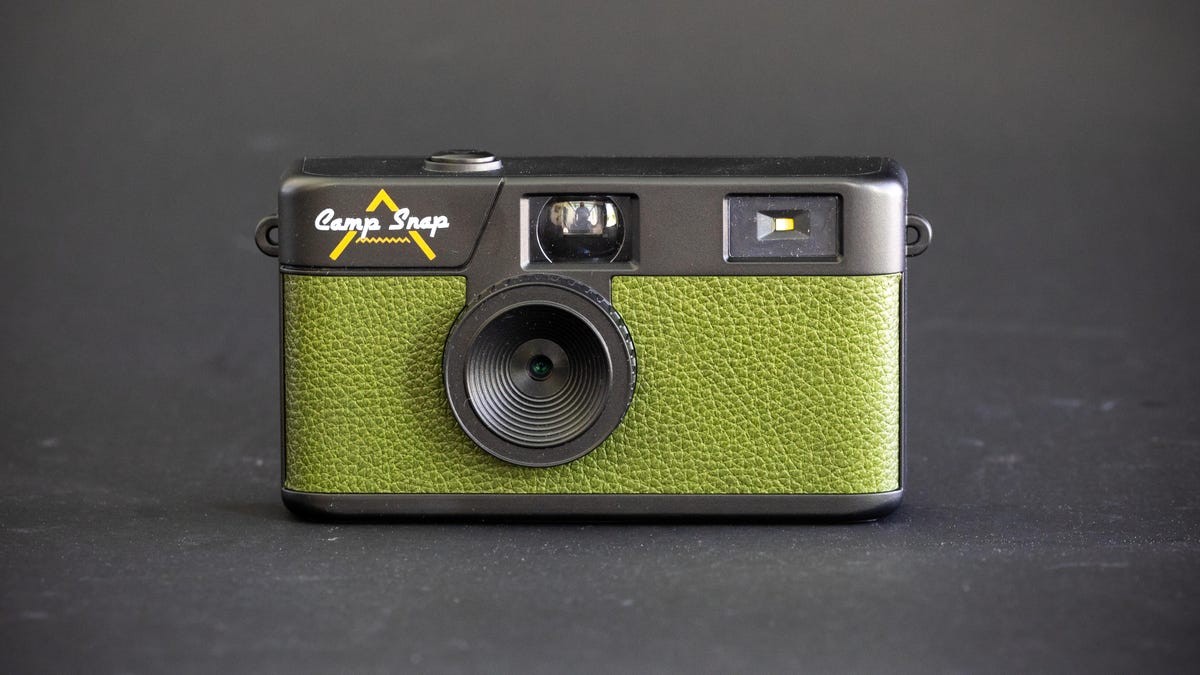
The Camp Snap is a budget digital camera capitalizing on the growing nostalgia for retro-styled film cameras, particularly among younger audiences. While aesthetically pleasing and aggressively affordable, it falls short of delivering a satisfying user experience or truly capturing the essence of the vintage look it imitates. The device’s primary appeal lies in its design, but its performance lags behind competitors like the Flashback, which offer a more refined balance of style and functionality.
Image Quality and User Experience
At $70, the Camp Snap isn’t terrible for the price—it’s better than some ultra-budget options. However, even modest investment in a slightly better camera yields significantly improved image quality, granting more creative control over the final result. The Camp Snap’s specs are unimpressive, as expected, but the core issue is that its low-quality base images undermine the effectiveness of its filters.
Usability suffers from several shortcomings. The camera’s build feels cheap, and the mechanical feedback is unsatisfying compared to alternatives like the Flashback. The shutter button lacks tactile feel, and the electronic shutter sound is weak. Worse, accessing photos requires either a microSD card (secured with a screw) or connecting via USB, a needlessly cumbersome process.
Customization and Limitations
The Camp Snap allows filter customization, a feature not found in all competitors. Users can download .flt files from the Camp Snap website and load them onto the camera via USB. While this provides some flexibility, it’s far from seamless—filters cannot be changed on the fly, and the process lacks the convenience of Bluetooth or Wi-Fi connectivity.
The camera’s settings are minimal: only a mode button and up/down controls to set the date. There are no exposure adjustments, shooting modes, or switchable filters beyond those loaded manually. This deliberate simplicity aims to replicate the limitations of disposable film cameras, but it comes at the expense of creative control.
The Retro Aesthetic and Marketing
The Camp Snap’s marketing leans into manufactured scarcity, with certain colors frequently marked as “sold out.” This tactic may be a deliberate strategy to generate hype, but it doesn’t address the camera’s fundamental weaknesses. The filters are designed to mimic the look of low-quality digital cameras or early camera phones, an aesthetic that some may appreciate, but others will find unappealing.
The question of what constitutes “retro” is central to the appeal of these cameras. Is it the 2000s digital era or the 90s disposable film aesthetic? The Camp Snap lands closer to the latter, recreating the worst aspects of early digital imaging rather than an idealized vision of the past.
Verdict
The Camp Snap succeeds in replicating the feeling of using a disposable camera, but it does so at the cost of usability and image quality. For those seeking a genuinely satisfying retro experience, the Flashback is a better investment, offering superior performance and convenience. The Camp Snap’s appeal is limited to those prioritizing aesthetics above all else, or those who enjoy the inconvenience of a deliberately stripped-down device.
In short, it’s a cheap camera that looks good but doesn’t perform well—a trade-off that may satisfy some but leaves much to be desired for those who want more than just a retro aesthetic.