
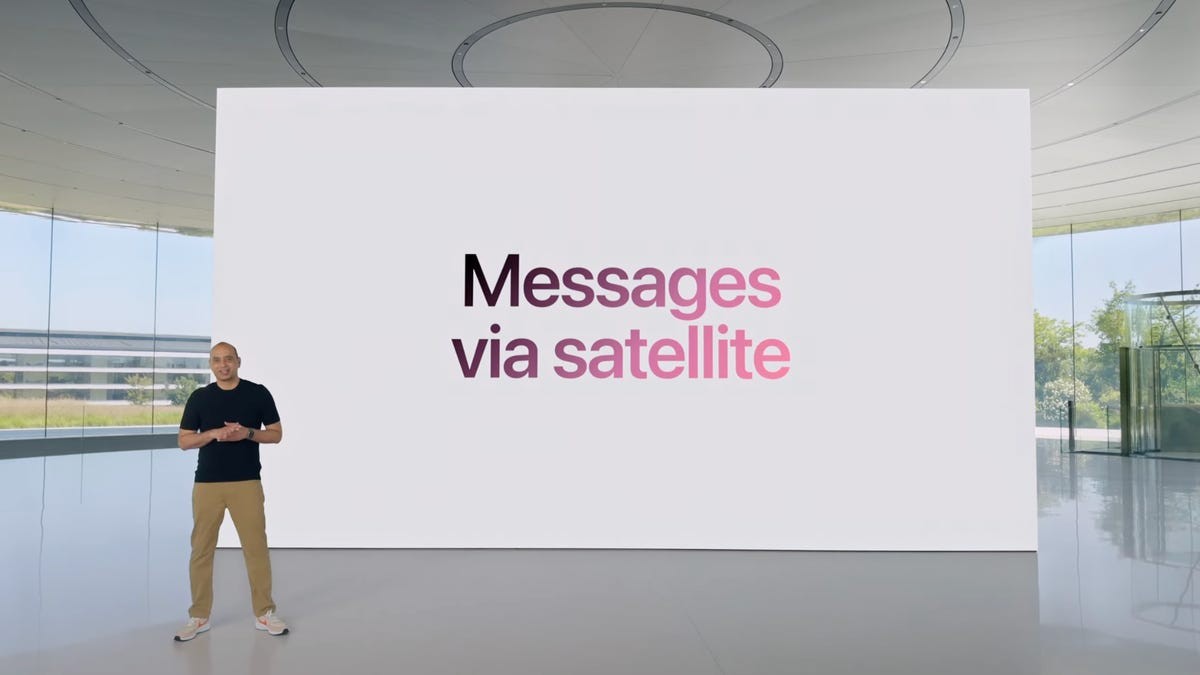
Apple is aggressively developing a wider range of satellite-powered features for iPhones and Apple Watches, moving beyond current emergency services toward more comprehensive connectivity. This expansion could reshape how users access data and communication in remote areas, and potentially challenge the dominance of traditional wireless carriers.
Current Satellite Features & Expansion Plans
For the past few years, Apple has integrated basic satellite functionality into its devices, including Emergency SOS, roadside assistance, and offline texting. The company’s next step, as reported by Bloomberg, involves adding full-fledged Maps features usable without cellular service, enabling third-party app integration with satellite links, and expanding messaging to include image transmission.
Notably, Apple is exploring ways to enable satellite connections without requiring a clear view of the sky – a significant technical hurdle. This means users could reliably connect even indoors or in heavily wooded areas.
Infrastructure & Partnerships
To achieve these ambitious goals, Apple will need to expand its satellite infrastructure. The company has already committed $1.5 billion to Globalstar for a new satellite constellation and is likely considering SpaceX’s Starlink to further bolster its satellite services. This represents a substantial investment in independent connectivity, reducing reliance on telecom giants like AT&T and Verizon.
“The next generation could let hikers, travelers, and remote workers download map data, share images, and even receive live weather updates without cellular coverage,” says Mahdi Eslamimehr, VP at Quandary Peak Research.
Monetization & Competition
Apple hasn’t charged for its existing satellite features, but this is likely to change as new capabilities roll out. Basic services will probably remain free, while advanced features like high-bandwidth image sharing or third-party integrations may be offered through paid subscriptions or bundled carrier plans.
This move directly competes with wireless carriers already developing their own satellite-enabled services through in-house builds or partnerships. Apple’s expansion could accelerate the industry-wide adoption of hybrid cellular-satellite connectivity, potentially improving reliability, expanding rural coverage, and even lowering prices for consumers.
The Bigger Picture
Apple’s push into satellite technology isn’t just about convenience. It’s about control. By owning more of the connectivity stack, Apple can ensure greater security and design flexibility. This also positions the company as a direct competitor to established telecom providers, potentially forcing innovation and price competition.
In the event of natural disasters or widespread network outages, Apple’s hybrid approach could prove invaluable, offering a redundant layer of communication when traditional infrastructure fails. The long-term implications include a more connected world, less reliant on centralized networks, and a shift in power dynamics within the telecommunications industry.