
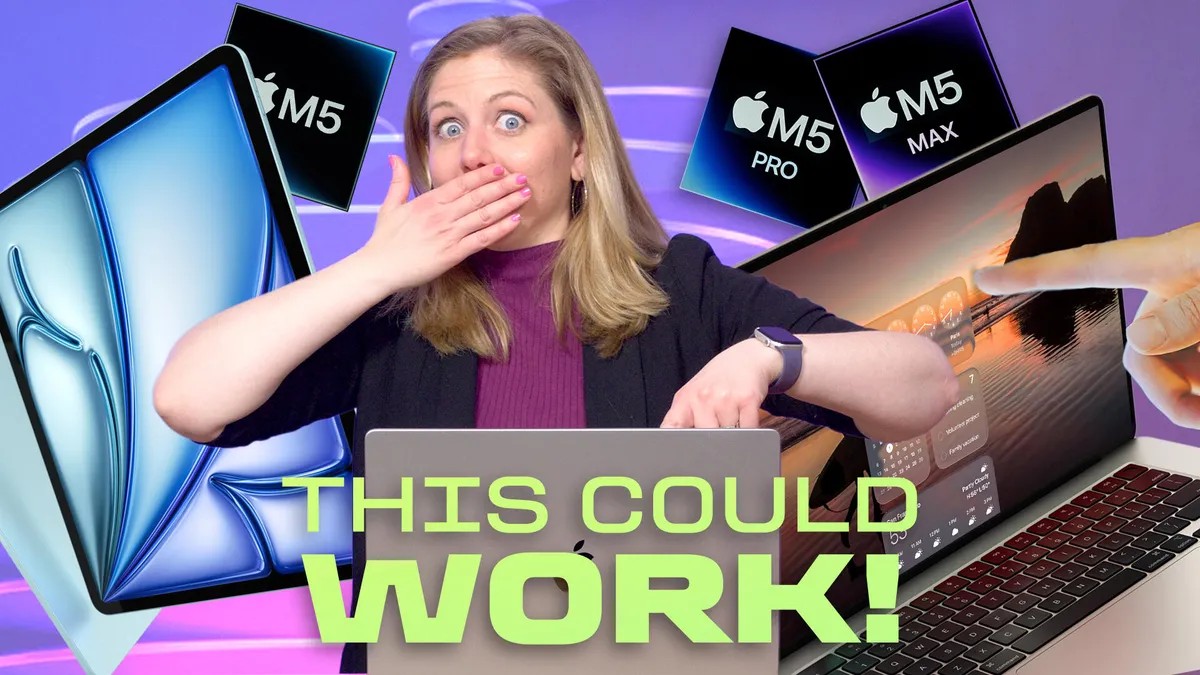
For over a decade, Apple executives – notably Steve Jobs – firmly rejected the idea of touchscreen MacBooks, citing usability concerns. However, new reports indicate the company is now developing a touchscreen MacBook Pro with an OLED display, slated for release by late 2026. This shift marks a significant departure from long-held principles and raises questions about how Apple has reevaluated the technology.
The Past Opposition
In 2010, Steve Jobs publicly dismissed touchscreen MacBooks after extensive user testing. He argued that prolonged use would lead to discomfort and fatigue, stating, “It doesn’t work. It’s ergonomically terrible.” Jobs explained that holding your arm up to interact with a vertical screen for extended periods would cause strain, even describing the sensation as “your arm wants to fall off.”
This decision stemmed from Apple’s belief that the traditional mouse-and-trackpad interface was superior for productivity on larger screens. The company prioritized a comfortable, long-term user experience over simply adding a trendy feature.
What Changed?
If Bloomberg’s reporting is accurate, Apple has evidently reconsidered its position. While Jobs emphasized thorough testing, the company has always remained open to innovation. The intervening 15 years may have brought advancements in display technology, ergonomics, or software that address the concerns raised in 2010.
The rumored MacOS implementation suggests a measured approach: touch functionality will likely only activate when a finger touches the screen, complementing rather than replacing the existing interface. This contrasts with Microsoft’s controversial Windows 8 overhaul, which alienated users with a forced hybrid design.
The Future of Apple’s Lineup
Apple is expected to unveil new products as early as this week, including a potential iPhone 17E and updates to its iPad and Mac lines. The company is hosting an exclusive event in New York City on March 4, where further announcements are anticipated.
Apple’s apparent reversal on touchscreen MacBooks highlights the dynamic nature of technology and the willingness of even the most rigid companies to adapt when new possibilities emerge. The move could redefine the user experience on MacBooks, blending the familiarity of traditional interfaces with the intuitive touch interactions popularized by iPads and smartphones.