



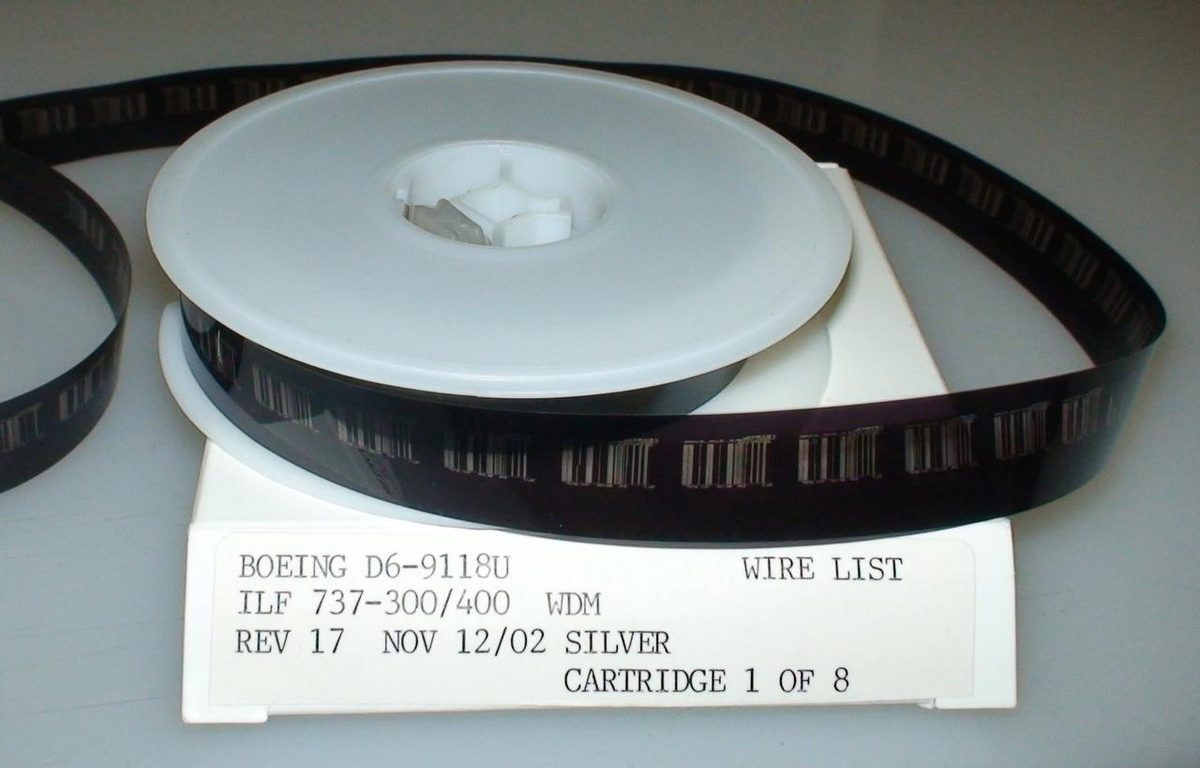
René Dagron didn’t just invent a camera trick. He created a time machine for paper.
The year was 1859. On June 21, Dagron filed a patent that would eventually let libraries shrink thousands of pages onto tiny rolls of film. This was the birth of microfilm. It wasn’t instant perfection. Earlier attempts by John Benjamin Dancer in 1839 proved the concept worked using daguerreotypes. But Dagron went further. He introduced “micropoints.” These were minuscule photos on clear film. You needed a Stanhope microscope to read them. The lens magnified images by 300 to 400 times. It was clunky. It was optical. But it worked.
The Kodak Revolution Changes Everything
The real shift happened much later. In 1937, the game changed again. Kodak, Agfa, and DuPont collaborated. They stabilized orthochromatic emulsions. This made archival reproduction reliable. Before this, film degraded fast. Now, documents could survive.
Then came 1955. Polyester film arrived. It replaced acetate. Acetate was flammable and unstable. Polyester was different. It was chemically stable. It resisted abrasion. It offered a millennial lifespan. Suddenly, we had a medium that could outlast empires. Libraries stopped fearing fire and decay. They started trusting plastic.
“The best conservation film remains gelatin-silver, specific to ISO 4331 or ISO 4332.”
Why Archives Still Trust Analog Rolls
Digital dies. Drives fail. Formats rot. Microfilm doesn’t care.
Current standards rely on this analog safety net. The microfilm format is still the most secure archival medium available. It isn’t just old tech. It’s engineered tech. The film has layers. There’s an anti-abrasion coating. Then the light-sensitive emulsion. A substrate for adhesion. The polyester base itself. And finally, an anti-halo layer to prevent light scatter.
To use it, you don’t scan. You photograph. An analog camera captures the document. The film goes into a dark, opaque processor. Chemicals develop the images. The result is physical. Tangible. Unhackable.
We live in a cloud world. But when the power goes out, who reads the data? Not the servers. They need humans. They need light. And they need microfilm to survive the next ice age, solar flare, or corporate bankruptcy. The tech is older than your grandparents. It’s also probably the safest bet you’ll ever make on preserving truth.


