Making money on YouTube isn’t just about setting records and hoping for the best. This is business. Views must exceed a certain threshold to be converted into revenue. The mechanism behind this is YouTube Monetization. This allows content creators to earn money from ads placed on their videos. But you can’t just turn it on. You have to earn the right.
This is exactly what you need to do to enable this feature.
1. Reach 1,000 subscribers before anyone else
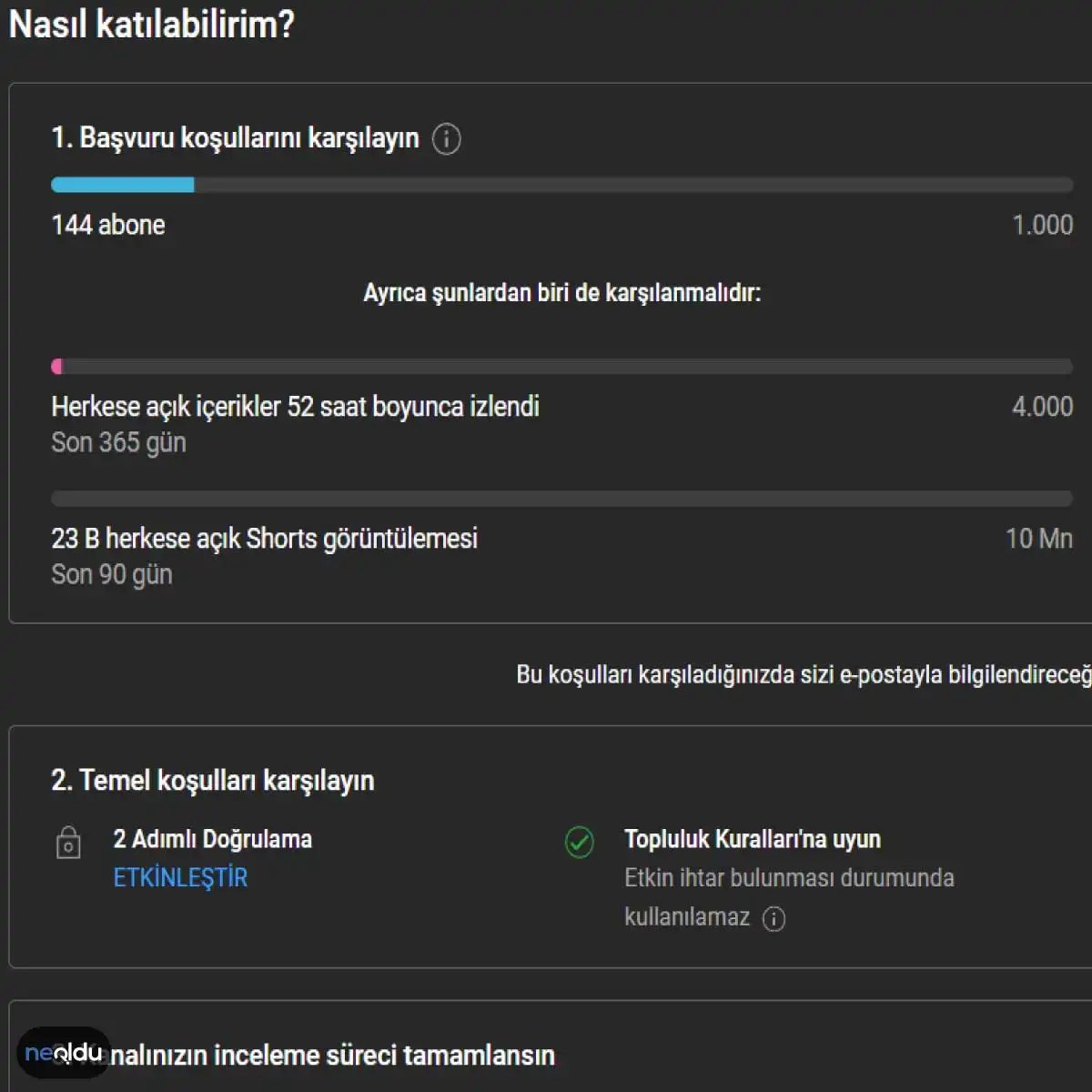
Your ticket to the YouTube Partner Program (YPP) is your subscriber count. Requires a minimum of 1,000 subscribers. This is not advice. This is a strong opinion. If you have 999 you cannot apply.
This program is a program. It’s not just about downloading. It gives you a payment. However, YouTube wants to make sure it has a core audience before sharing ad revenue. So focus on community building. Don’t worry about money for now. I’m worried about getting the 1000th person to click the subscribe button.
2. Exceeding 4000 hours of viewing time
Subscribers are only half of the profit. Another (usually more difficult) requirement is 4,000 hours of public viewing in the last 365 days.
This is where most people make a mistake. They think it has to do with views. it is not. It’s time.
Is a video with 100,000 views but an average watch time of 10 seconds as important as a 1 hour video with 1,000 views? No, YouTube cares about watch time. They want to know that people are actually interested in your content instead of just clicking.
You can extend this time by uploading longer content or promoting your existing videos. Some content creators drive traffic to their channels with ads to reach this metric faster, but the goal is organic engagement. Remember: this is not how many times the video was opened. That’s how many hours I spent watching it.
3. Professional image of your channel
If you treat your channel as a hobby, you cannot ask YouTube to treat it as a business. Your channel should look the way you want before you click Apply.
This means:
-**Professional branding. **
– ** Attractive banners. **
– ** Clear and keyword-rich channel description. **
More importantly, you need a content strategy. Random videos do not work. You need to know what your audience wants and provide it with quality. If your thumbnail is clickbait but your content is empty, you will lose subscribers. And you lose your viewing time.
Your channel is your store. Keep it clean. Be consistent.
4. Apply for the YouTube Partner Program
Once you reach 1,000 subscribers and 4,000 hours, you can apply. This is not automatic. You need to go to YouTube Studio and submit a review request.
YouTube will then check your channel for compliance with our policies. They are looking for:
– Original content.
– Guide for advertisers.
-No copyright

5. Create a Google AdSense Account
Have you finished your channel preparations? Then it’s time to apply.
YouTube Partner Program (YPP) doors are opened as soon as you meet the conditions. Enter the “Channel” tab in YouTube Studio. Find the “Monetization” section. Press the button. Start the process.
It’s not simple.
One click is not enough when entering YPP. YouTube asks for details. What is your niche? Are you targeting anyone? How is the content quality? You need to provide clear, detailed answers to these questions. Random answers increase the risk of rejection.
But wait.
There is another door before you start making money. Obligation to create a Google AdSense account.
YouTube does not send ad revenue directly to you. It works through Google AdSense. This is the standard payment method in the digital world. Opening an account with your email address is quick. But the verification process takes time.
How to proceed?
- Application Process: AdSense link is requested when applying for YPP.
- Verification Code: Google will send a paper card through the mail.
- Code Entry: When you receive the card, you enter the code into YouTube.
- Activation: The account is confirmed. Parameters are determined.
If this step is skipped, video views will remain “unmonetized” forever. Even if your number of viewers increases to millions, your wallet remains empty. From where? AdSense connection is broken.
Frequently made mistake: Opening an account and stopping broadcasts or trying to correct account information without waiting for verification. This delays the process. Patience is a must.
You cannot receive payments from the YouTube Partner Program unless your AdSense account is active.
Who gets stuck in this process?
- Person etc. Institution: Individual or company? The choice is critical.
- Address Accuracy: If the shipping address is missing, the code will not be received.
- Tax Information: Applications from outside the USA may request additional documents.
Creating the account is easy. It’s hard to get it approved.
No matter which country you are in, the procedure is the same. However, payment thresholds and methods vary. Minimum withdrawal amounts vary for some regions. Check these details in AdSense settings.
The time it takes until you see your first dollar.
For some, weeks. For some, months. Code delay, postal problems, incorrect address information… Everything is at risk.
Optimize the AdSense side at the same time while applying for YPP
Creating an AdSense account alone is not enough. Just opening a profile does not make money. You must physically link this account to your channel. When YouTube Monetization is active, Google AdSense is the key to this connection. AdSense is not just a wallet. It’s the advertising platform you use to track your revenue and collect payments.
Adjust Monetization Settings
Once the connection is established, return to YouTube Studio. Open the “Monetization” section. This is the control center. You can choose ad types. You decide which ads your videos will be supported by.
Embedded ads?
Sweep-stick?
In-video?
Your choices directly affect the video viewer’s experience. Some ads may disturb the viewer. Some are silent. Which is better? It is necessary to test. But you have to send it first.
Submit Your Content for Review
This is the first step. You don’t have to manually submit all your videos one by one. You can create a channel-wide review request. YouTube’s bots and human reviewers crawl your content.
Is there copyright infringement?
Something containing violence or hate speech?
Does it meet advertising standards?
While these checks are performed, the monetization feature remains suspended. You must wait. If approved, it becomes active. If it doesn’t come, you need to make corrections.
After opening the door to monetization, the first thing you need to do is to review your videos one by one. It’s not like YouTube doesn’t do this. On the contrary, your content must be audited before it goes live.
Why? To ensure ad compatibility.
If there is something against the platform’s publisher policies, that video will not generate money. Even worse, it could put your channel’s monetization status at risk. So, make it a habit to hit the “submit for review” button every time you upload a video. Wait. Let them check. Rest assured.
Taking an X-Ray of Income
Users often ask “when will I know if I win?” he asks. Answer: In the Analytics panel.
New income sources will pamper you, but it would be a mistake to ignore the data. YouTube Analytics doesn’t just tell you how much you’ve earned. It details your video performance, viewer engagement and ad revenue.
These data are not random numbers. It is the map for optimizing your content strategy and revenue.
- Advertising revenue: Net figures.
- Performance: Which video is watched more?
- Engagement: How long does the audience stick with it?
When you put these three together, you can see what works and what doesn’t. You have to trim your strategy accordingly. Otherwise, budget and effort will be wasted.
What is the YouTube Partner Program?
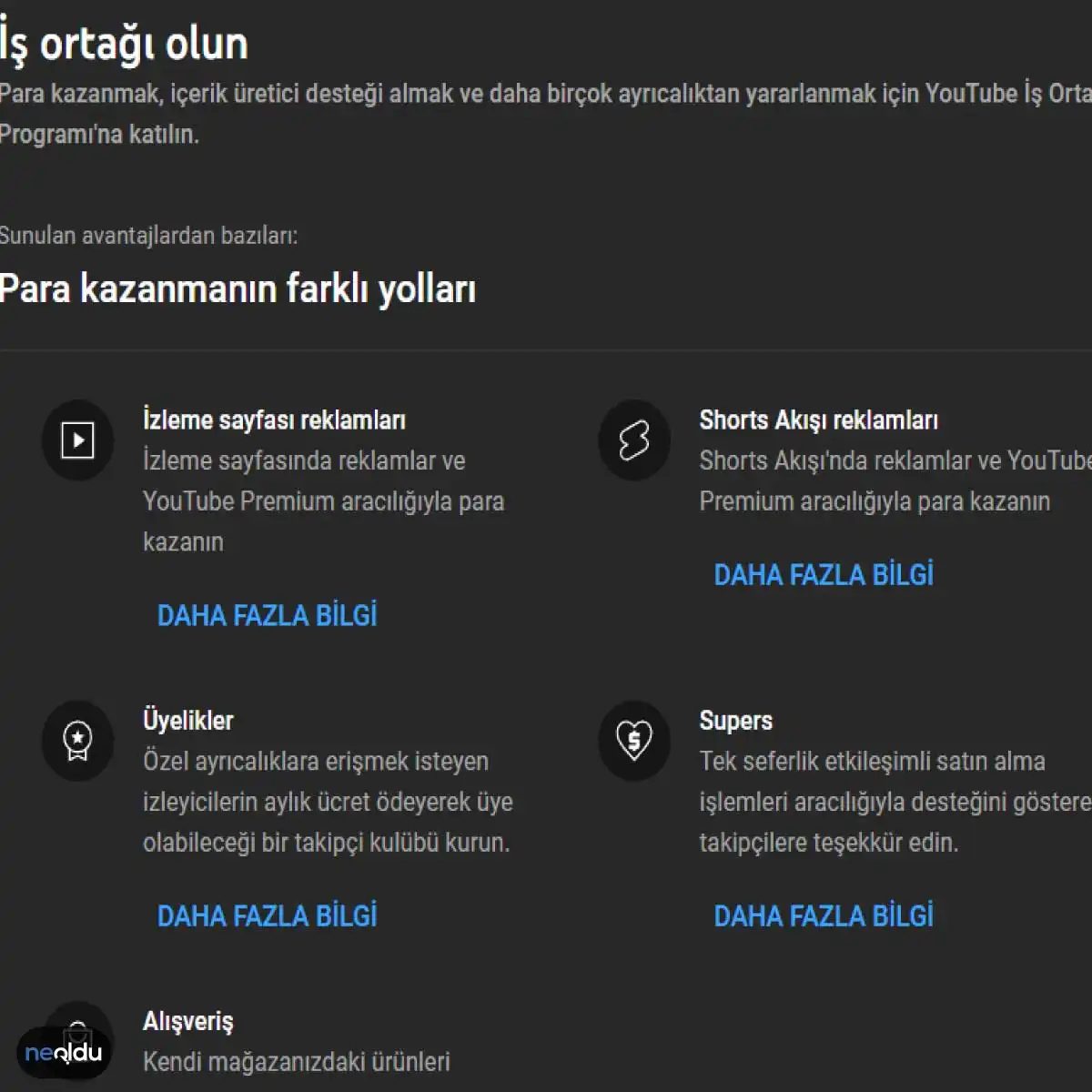
You probably hear the terms “YPP” or “Youtuber” all the time. Actually, this is not a single program. The YouTube Partner Program (YPP) is a comprehensive set of criteria for content creators to earn money on the platform.
It’s not just about advertising revenue. It offers diversification such as member subscriptions, YouTube Premium revenue, and super cracks. However, conditions vary. In some countries and regions these criteria may be more flexible. Global standards are stricter.
Critical Conditions for Entry to YPP
There are two main ways to enter the program. It doesn’t matter which country you target; The rule is universal.
- 1,000 subscribers and 4,000 hours of watch time (in the last 12 months).
- 1,000 subscribers and 10 Million Super Reel views (Last 90 days).
The second option is more practical for content producers focused on shorts. But long format is still the main source of income.
Why YPP Ö

Conditions for Joining the YouTube Partner Program
Just making good videos is not enough to make money. To open the doors of YouTube, you need to reach concrete numbers. These numbers are constantly changing. In the past, a million views on a single video might have been enough. Now the situation is more complicated. The platform wants to reward creators for quality and a loyal audience. That’s why two different road maps are presented. Which path you choose depends on the type of content you produce.
The first is the traditional long video path. The key metrics here are the number of subscribers and watch time in hours. Your channel must have at least 1,000 subscribers. Even if you exceed this number, you will not receive money immediately. Next to it is the second requirement: 4,000 hours total viewing time in the last 12 months. So your videos must have been watched for 4,000 hours in total. This measures whether people stay until the end of your video, rather than crowd viewership. Instead of unnecessary clicks, the focus is on genuine interest.
The second way is Shorts. The rules are slightly different for short video streaming. Here, the number of views, not the watch time, comes to the fore. Again, the 1,000 subscribers requirement applies. However, instead of hours, at least 10 million Shorts must be watched in the last 90 days. This figure is very high. It shows the viral potential of short videos. But it also highlights how tough the competition is.
Meeting these requirements is not a simple list. It is also essential not to violate YouTube’s “Reused Content” policy. In other words, collecting clips from somewhere else and uploading them without making any significant changes is not acceptable. Producing original content is necessary not only to pass these criteria, but also to keep your account secure.
How Is Advertising Revenue Calculated?
Monetary income is not directly proportional to the number of views. Even if the number of people watching increases, your earnings may decrease. The main reason for this is the concepts of RPM and CPM. CPM is the cost per thousand impressions. RPM is the net figure that goes into the content creator’s pocket. That is, what remains after deducting YouTube’s share.
These numbers are not the same in every video. There are many influencing factors:
- Audience location : Viewers from countries such as the USA or the UK may bring in higher advertising revenues than those from Türkiye. Advertisers are investing more in these markets.
- Content topic : Topics like finance, technology or business attract more expensive advertising than gaming or vlogs. Advertisers want to reach audiences with high purchasing power.
- Ad type : On-screen ads, interstitials or sponsored integrations. The returns for each are different.
- Seasonal fluctuations : Advertising budgets increase during the year-end periods. Your earnings may also peak during this period.
Even if a video has 10,000 views, your earnings can range from a few dollars to hundreds of dollars. Averages are misleading. Looking at your own channel’s statistics is more reliable than predictions.
Reading Data with YouTube Analytics
Once you start making money, it’s not over. On the contrary, you need to be more careful. YouTube Studio is a treasure trove of data. However, just looking at the number of views is not enough. It is more useful to examine Consistent Audience metrics. What percentage of your video did viewers watch? If people leave in the first 30 seconds, ad impressions also drop.
Additionally, Click-Through Rate (CTR) is critical. head

YouTube Monetization: Violation of Claims
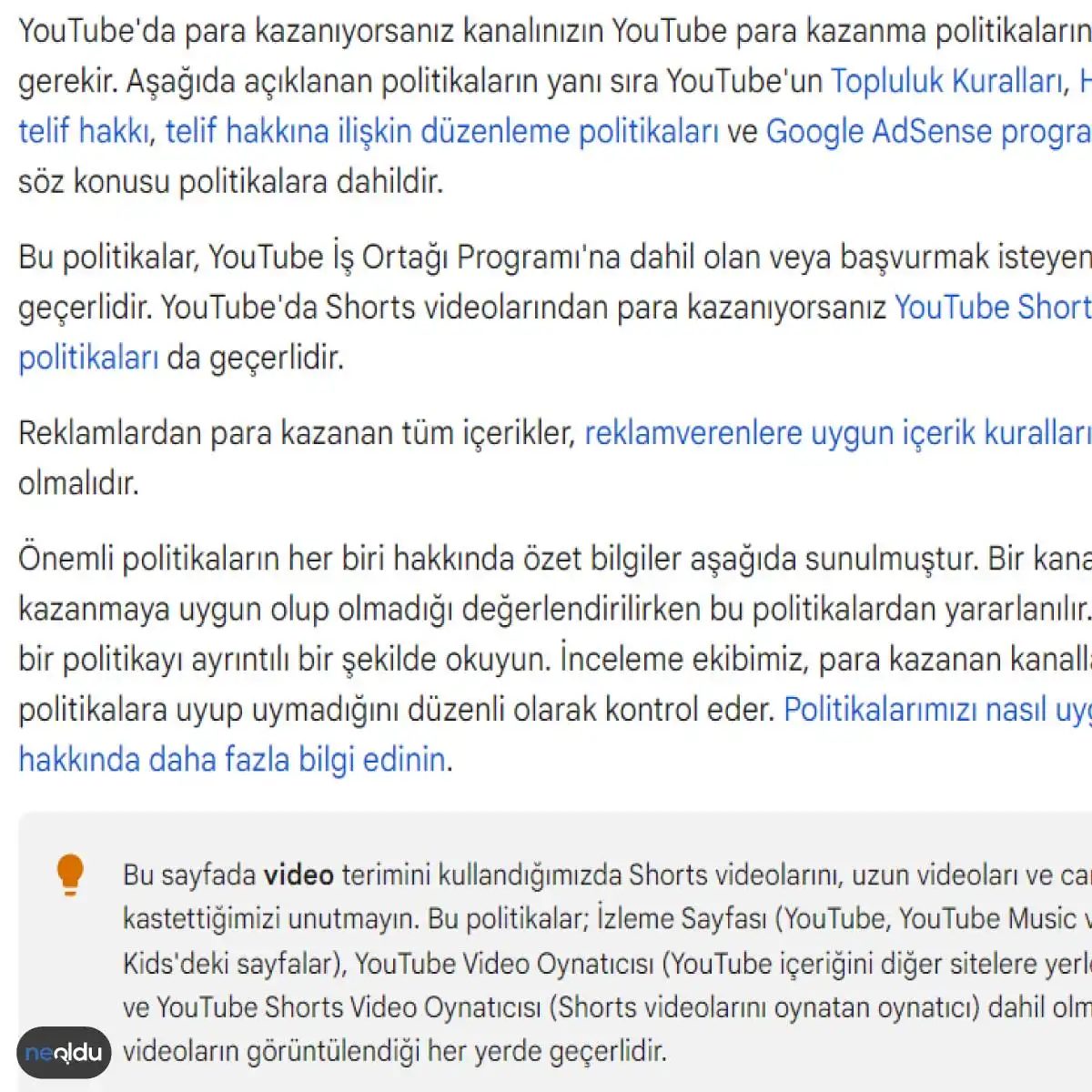
Receiving payments on YouTube is not automatic. This is a closed process. There are certain hurdles you need to clear to turn your channel from a hobby to a source of income. If you understand the YouTube monetization policies (YouTube license terms), the following is required:
Numbers: Number of subscribers and total viewing time
You can’t skip math. YouTube requires viewer verification before distributing ad revenue.
The basic level is 1,000 subscribers. This is the first checkpoint. It proves that you didn’t just upload content into the void, you built a community.
But there are not enough subscribers. You also need traction. Specifically, 4,000 hours of public viewing in the last 12 months. This metric is more important than views. A viral video with 10 million views and an average watch time of 30 seconds may get views but fail the watch time test. On the other hand, a niche tutorial with low impressions but high retention can solve the problem. Algorithms want to see if people are actually spending a lot of time watching content.
Content security and policy compliance
If the content is marked, the number does not matter. YouTube follows strict Community Guidelines (broadcast policies) to satisfy advertisers. Advertisers don’t want their brands exposed to hate speech, sexual content, or dangerous behavior.
This isn’t just about avoiding illegal content. It’s all about “monetization”. Even if your video isn’t removed, it might be flagged as “not suitable for most advertisers.” If this happens, you will lose your income. Copyright is closely related to this. If you use unlicensed music or video clips, the original owner may claim monetization rights. You get nothing. Exclusion of these legal risks is part of the adherence to program terms.
Financial link: Google AdSense
You can’t just put your PayPal account in settings and wait for it to be verified. Google AdSense Requires connecting to your account. This is a machine that tracks impressions, clicks and revenue.
This process requires confirmation. AdSense requires you to verify your identity and address before making payments. We also handle tax declarations. If your AdSense account is suspended or under review, your payments to YouTube will be suspended. This is a serious issue. Before you start running ads on YouTube, you need to build a financial bridge.
Off the list
When you meet these criteria, you can start working. There are no guarantees of success. The landscapes are full. Once monetization kicks in, the pressure shifts to content quality and audience retention. Advertising prices vary according to seasonality and market niche. The CPM of financial channels can be three times higher than that of game channels.
This will increase your subscribers. It’s viewing time. I linked AdSense. This is where the real work begins. Could you please keep an eye on them?
Adjusting your channel’s ad settings
The introduction of monetization is the first step. The second step is to control how your ads appear. You do not have to accept all ad types or placements.
Choose an ad format
Not all ads are created equal. Some are more invasive than others. YouTube offers several formats.
- **Skipable in-stream content

Maximizing revenue per video depends not only on views but also on which ad is shown in that video. Showing the wrong ad to the wrong target audience will repel the audience. Doing the right thing creates brand loyalty and puts dollars in your pocket.
Here are the details of how to adapt the advertising experience in your videos to your audience’s habits and the spirit of your channel.
Target Audience and Content Matching
The first thing is to know “who you are speaking for.” If you are a sports channel, you can bore your e-sports followers with luxury hotel advertisements, or, conversely, you can disturb the audience by watching a stagnant documentary and showing fast-paced consumer products in the background.
First, map your channel’s core audience. Age, gender, geographical location and most importantly interests. Advertisers set budgets based on this demographic data. Using this data, you can pre-filter the sectors that your audience will actually be interested in.
Follow YouTube Advertising Policies Without Enforcement
The rules of the platform are strict. The goal is to eliminate “incompatible” ads, not malicious content. Ads are often restricted from appearing on content containing violence, hate speech or explicit sexuality. But there’s a finer point: “Brand safety.”
Advertisers want to control the context in which their content is presented. If your video contains sensitive social issues, political debates or health risks, ads from major brands may not be automatically assigned to those content. Although this can sometimes result in loss of revenue, it is necessary to maintain your channel’s reputation. Reviewing policies prevents unexpected “monetization alerts.”
Managing YouTube Studio Settings Without Getting Lost
YouTube Studio is where you directly control your ad preferences. This works like a command center. In the “Monetization” tab, you can play with the “Ad Placement” and “Ad Types” options.
For example:
– You can mark which videos you do not want to show before, middle and after ads.
– You can filter Advertiser categories. It is possible to block ads from betting sites, alcohol producers or certain competitor brands.
– You can enable or disable Personalized advertising preferences on the viewer.
These settings ensure that even in the “free” space the advertiser gives you, it stays within the limits you set. Keeping this filter tight, especially for beginners, will prevent you from accidentally meeting the wrong audience.
Reading Audience Reactions
Feedback is the best market researcher. Sudden drops in comments, community chart and even views chart whisper something. If the retention rate increased by 30% because of a skit ad you placed in the middle of your video, that ad type or timing is intolerable for the viewer.
Conversely, some viewers may say “I love your ads, thank you sponsor.” This type of organic satisfaction is strong evidence for that industry’s advertisers to offer you better prices.
Sponsorships and Direct Collaborations
The platform’s automated ads are not always the best option. Content-aligned direct sponsorships provide a less disruptive experience for the viewer. In vlog-style content, integrated sponsorships such as “this video is published with the support of [Brand]” also work as a shield against ad blockers.
By communicating with brands, you enable them to reach your target audience and generate higher RPM (revenue per thousand impressions) for you. Automated systems win 100 percent, while direct deals provide 100 percent control.
Data-Driven Decisions: Using YouTube Analytics
Trusting intuition is a good start, but trusting data is better. YouTube Analytics shows which ad types generate more clicks (CTRs) or engagement on which videos.
-Which ad format (banner, overlay, skit) works better for which demographic group?
– At which moment of the video do viewers interact the most?
– Which categories of advertisers increase the watch time of the video?
Answers to these questions are key to optimizing your ad settings. Not only overall revenue but also the impact on audience loyalty should be analyzed.
Continuous Testing and Improvement
A static setting will not work on a dynamic platform. Over time, trends change and the audience matures. Feel free to try different ad types. Sometimes an old advertising strategy can suddenly become dysfunctional with a new content format.
Follow the data.

It’s nice to earn income from YouTube. But wait. The tap may suddenly turn off. Instead of panicking when your channel’s monetization is blocked, it’s smarter to understand why. YouTube’s systems are automated and sometimes brutal. In this article, we examine why monetization is suspended and how to fix it.
Content Policies and Repeat Violators
The beginning of everything is content. If your videos violate YouTube’s content policies, your monetization is the first stop. Not just a video, but the overall attitude of your channel is important.
Clear violations such as violence, hate speech or sexual content will always be rejected. What about the gray areas? What happens if you use misleading headlines (clickbait), spammy content, or tactics designed to deceive the audience? Repeated non-compliance is one of the most common reasons why channels lose monetization. YouTube intervenes as soon as it says “this user is constantly surfing the border.” You warn once, they may ignore twice. Third time? Monetization goes away.
Cheats and Artificial Metric Manipulation
Don’t try to cheat the system. YouTube is very good at this. Buying views, using bots or artificial subscriber increases may be the fastest way. But not just a rapid growth, but also a rapid ban.
When abuse and cheats are detected, YouTube immediately blocks monetization. Manipulating metrics like watch time or subscriber count will reduce your channel’s trust score to zero. Advertisers want to see real audiences. While you’re doing tricks with bots, the algorithms have already flagged you.
Advertiser Non-Compliance and Brand Safety
Sometimes there are no violations, no rules. But advertisers still hesitate. This is what we call Advertiser incompatibility. Your content may be legal or political. But it may be deemed “dangerous” or “incompatible” for brands.
For example, controversial political topics or violent but educational content. Advertisers are concerned about brand safety in such environments. In this case, YouTube may block monetization. So even if there is no rule violation, your income stream may be cut off.
Viewer Objections and Process
Viewers can also get involved. Someone objects to your video. YouTube will review this appeal. If serious violations or duplicate content are detected, monetization will be suspended. This process may not be transparent. While you believe your video is original, the system may be seeing something else.
How to Activate Monetization?
If you have encountered obstacles or are applying for the first time, the road map is clear. The answer to the question How can I activate the YouTube monetization feature? is based on technical steps.
- Login to YouTube Studio: Log in to your account.
- Monetization Tab: Click on “Monetization” option from the left menu.
- Method Setting: Press the “Set Monetization Method” button.
- Agree to Terms: Accept YouTube’s monetization policies.
- Verification: Verify your channel if necessary.
- AdSense Connection: Link your existing AdSense account or create a new one.
- Video Selection: Check the videos you want to show ads on.
- Application: Submit your application and wait.
Requirements: YPP and Routes
What do you have before you apply? What requirements do I have to activate monetization? There are two different routes to this question, but the general criteria are:
- YouTube Partner Program (YPP): You must be accepted into the program.
- Number of Subscribers: At least 1,000 subscribers.
- Watch Time: At least 4,000 hours watched in the last 12 months.
If you fall below these numbers, you cannot apply. Additionally, You should not have any issues resulting from YouTube policy violations or fraudulent activity. So your criminal history must be clean.
Revenue and Prospects
Has the application been approved? Will the money come? When can I start earning money after activating YouTube monetization?
The process varies from a few days to a few weeks. It varies depending on the application density. Once approved, ad display begins. But the amount of income is not fixed.
How much money can I earn after activating the monetization feature?
There could be a big disappointment here. CPM (cost per thousand impressions) varies. Advertiser demands, audience response to the ad, ad type and even geographic location are important. It is difficult to give an exact figure. Brand collaborations or sponsorships increase the variables of this equation.
In summary
If the monetization feature is blocked, the first step is to check for any rule violations. The second step is to make sure you’re not using fraudulent metrics. The third step is to manage the risk of advertiser non-compliance.
The system is not perfect. Sometimes he makes mistakes. But most of the time, the content