When Donald Trump entered his second term, the prevailing wisdom in Washington was clear: the United States would aggressively pivot toward Asia to counter the rising power of China. This “Asia-first” strategy, championed by key officials and defense hawks, promised to scale back involvement in the Middle East and Europe to focus on the perceived existential threat from Beijing.
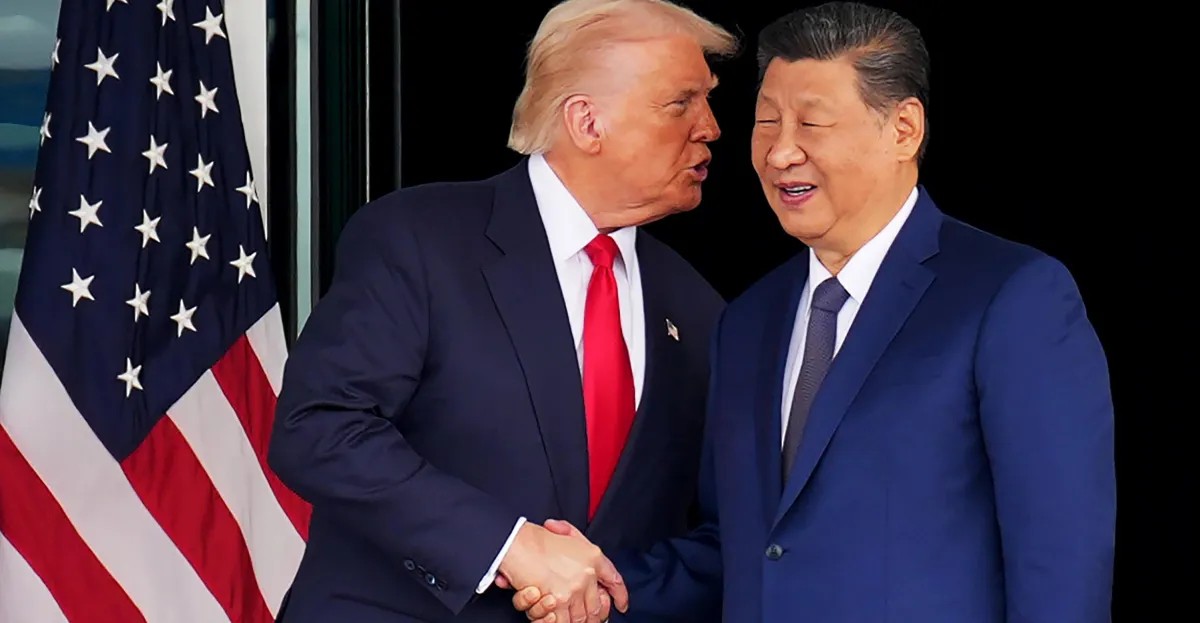
The reality is strikingly different. Instead of confronting China, the Trump administration has adopted a remarkably accommodating stance toward Beijing while becoming deeply entangled in a costly, open-ended war in Iran. The upcoming summit between President Trump and President Xi Jinping, originally scheduled for March, has been postponed and risks being overshadowed by ongoing military operations in the Persian Gulf. This reversal of strategic priorities raises critical questions about the direction of US foreign policy and the stability of global alliances.
The Bet That Didn’t Pay Off: The Rise of the “Prioritizers”
At the start of the second Trump administration, analysts categorized the influential figures surrounding the president into three distinct camps:
- Primacists: Advocates for traditional, assertive US global leadership.
- Restrainers: Those who sought to reduce US commitments abroad to avoid costly military entanglements.
- Prioritizers (or “Asia-Firsters”): Strategists who argued that the US must withdraw from the Middle East and reduce support for Ukraine to concentrate resources on countering China’s military growth.
The “Prioritizers” appeared to be the winning faction. Figures like Secretary of State Marco Rubio and Vice President JD Vance, alongside defense scholar Elbridge Colby—whose book The Strategy of Denial served as a blueprint for this approach—held significant sway. There was a bipartisan consensus that after two decades of frustrating engagements in the Middle East, the US needed to refocus on the Indo-Pacific.
The Surprise: Rather than following the Prioritizer playbook, the administration has effectively run it in reverse. It has engaged in new military conflicts abroad, diverted resources away from the Pacific, and pursued a surprisingly gentle approach to China.
From Hawk to Dove: A Shift in Strategy
Trump’s relationship with China has always been complex. While his first term was marked by inflammatory rhetoric and a trade war initiated by officials like Mike Pompeo, Trump himself has never been a traditional geopolitical hawk regarding China. His focus has consistently remained on trade and economic competition rather than military rivalry or human rights.
In his second term, this distinction became even more pronounced:
- Trade War Retreat: The administration initially imposed emergency tariffs on Chinese goods, reaching up to 145%, citing unfair trade practices and fentanyl trafficking. However, when China retaliated by suspending exports of rare earth metals—critical for US defense and tech industries—the White House backed down. A subsequent Supreme Court decision limiting the president’s tariff authority further constrained the administration’s options.
- Diplomatic Caution: Reports indicate the administration is “walking on eggshells” to avoid offending Beijing. Despite evidence of Chinese assistance to Iranian forces fighting US troops, Trump has downplayed these incidents, suggesting a willingness to overlook provocations in favor of diplomatic breakthroughs.
As Jeremy Shapiro of the European Council on Foreign Relations noted, “Trump is kind of a bully, and bullies don’t like to have even fights.” When China demonstrated it could fight back effectively, the administration chose de-escalation over confrontation.
The Cost of Conflict: Resources Drained from the Pacific
The most significant consequence of this strategic shift is the diversion of military resources from the Indo-Pacific to the Middle East. The war in Iran has proven longer and more difficult than anticipated, requiring the deployment of assets that were previously positioned for potential conflicts in Asia.
- Munitions Depletion: The conflict has drawn down stocks of advanced munitions, such as Tomahawk cruise missiles and Patriot interceptors, which are vital for a potential defense of Taiwan.
- Asset Relocation: Critical military hardware, including THAAD interceptors, an aircraft carrier strike group, and a Marine expeditionary unit, has been moved from the Pacific to the Middle East.
A former senior US official described the situation starkly: “We have patiently accumulated these capabilities [in the Pacific] over time. It has now been vacated. It is all back in the Middle East.”
This “reverse prioritization” contradicts the warnings of strategists like Elbridge Colby, who argued that resources spent in the Middle East are unavailable for Asia. Instead of reducing commitments, the US has taken on new international obligations, including a militarized approach to Latin America and expanded counterterrorism operations in Somalia.
The Illusion of the “Pivot to Asia”
The concept of a “pivot to Asia” has become a recurring joke in US foreign policy circles, akin to “Infrastructure Week”—a promise that is repeatedly made but rarely executed. The complexity of global crises, particularly in the Middle East, often overwhelms the discipline required to maintain an Indo-Pacific strategy.
Trump’s personal worldview plays a crucial role in this outcome. Unlike previous presidents who relied heavily on institutional advice, Trump often trusts intuitions and input from outsiders he considers peers. This includes foreign leaders like Israeli Prime Minister Benjamin Netanyahu, who advocated for military action in Iran, and business leaders like Nvidia’s Jensen Huang, who pushed for eased chip export restrictions to China.
Key Insight: Trump views Xi Jinping not as an adversary to be defeated, but as a peer with whom he can cut deals. This personal dynamic undermines the “great power competition” framework that defined much of the previous decade.
Implications for Taiwan and Global Stability
While the rhetoric around great power competition has softened, the underlying tensions remain. The US and China are still engaged in diplomatic spats, such as those over the Panama Canal and AI technology theft. However, the shift in US posture has raised alarms among allies.
- Taiwan’s Vulnerability: Trump’s suggestion that he might discuss arms sales to Taiwan with Xi, coupled with the delay of $15 million in weapon sales to avoid offending Beijing, has unsettled Taipei. There is concern that Trump might seek a diplomatic win with China at the expense of Taiwan’s security, potentially endorsing a stance against Taiwanese independence.
- Chinese Perception: Chinese leaders likely view the US distraction in Iran as an opportunity. They may interpret the US retreat from a hardline stance as a sign of strategic weakness or a willingness to concede ground in exchange for trade deals.
Conclusion
The second Trump administration has defied expectations by deprioritizing Asia and engaging deeply in the Middle East, while adopting a conciliatory tone toward China. This shift, driven by Trump’s personal diplomatic style and the realities of ongoing conflict, leaves US allies uncertain and strategic resources depleted. As the summit with Xi Jinping approaches, the world watches to see if this unexpected accommodation will lead to stability or further strategic ambiguity.