The Apple Watch is flawed.
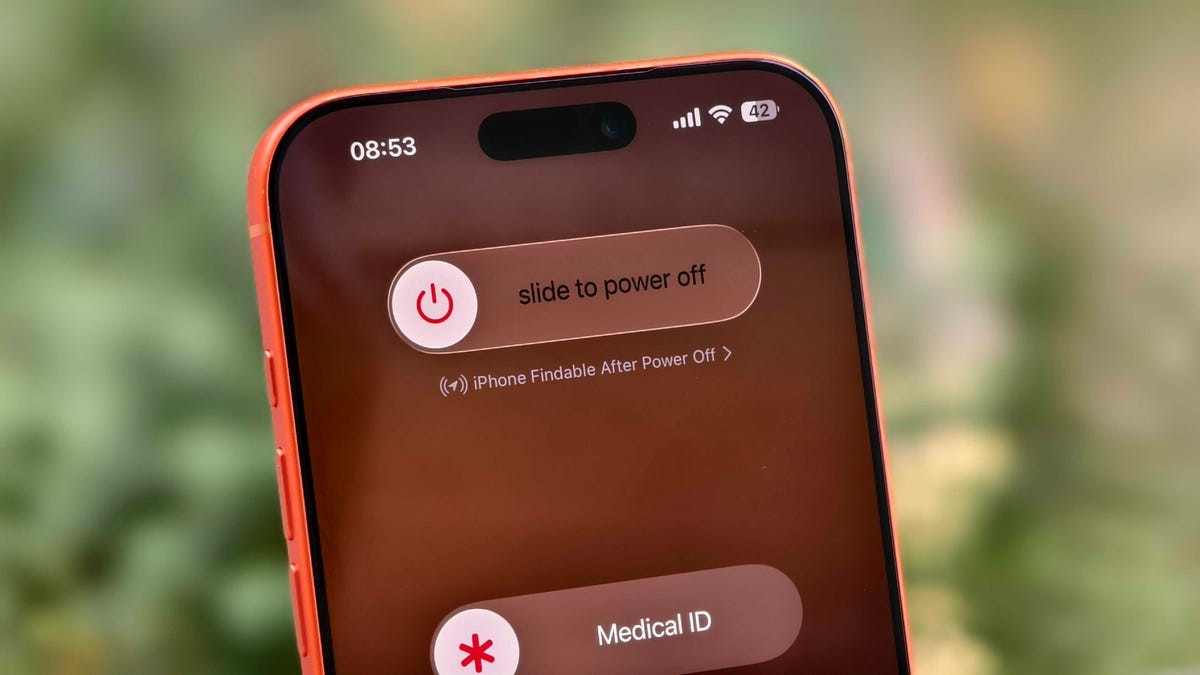
It’s still the most accurate tracker I’ve handled. No question. But the battery. Daily recharging. That’s the dealbreaker. It spends the night plugged in, right when your body is doing its quiet, important work.
We aren’t just counting reps anymore. Wearables are competing on long-term health insight. And battery life? It’s Apple’s heel of Achilles.
Smart rings like the Oura. Screenless bands like Whoop. The new Fitbit Air. They do what the Watch can’t. They disappear. You put them on once a week. Maybe twice. They sit there, silent and unobtrusive, catching trends the Watch misses because it’s charging on a nightstand.
I test a lot of gadgets. Dozens. I always point people to the Apple Watch for heart rate data. It’s king. But I can’t wear it to bed. Consistently? No way.
Charging takes an hour. Sure. But life doesn’t wait. Late nights. Kids. Chaos. I forget to plug it in. I forget to put it back on. Or I do one and forget the other. I’m not an outlier. Researchers tell me the same thing. Athletes, too. They picked up a ring because they wanted data while they slept, without thinking about a charger.
Apple is missing a trick. Not because the Watch is bad. It’s because it’s demanding. Too much, really. A low-maintenance partner, like a ring, could fix the gap.
The battery bottleneck
Accuracy is tricky.
It’s not just better sensors. It’s the mix. Sensors plus algorithms plus how often they sample. The Apple Watch hammers all three. Its optical setup is brilliant. The near-constant sampling during a run? Unmatched. But that intensity eats battery. Fast.
Rings are different beasts. Different compromises. Smaller batteries mean less frequent sampling. That’s fine when you’re sleeping and your vitals are steady. Less fine when you’re sprinting.
I tested the Oura Ring 5. Ran three miles. Checked the data. Its peak heart rate was 8 BPM lower than the gold-standard chest strap. The average was close. The Watch, by comparison? It matched the strap. Even at the spikes.
But the Watch struggles to stay on your wrist through the night. That’s the issue.
Apple has the software to deliver long-term insights, too. The Vitals app. Menstrual cycle tracking. Recovery metrics. It works. Until it doesn’t. Those insights need nightly data. If you forget the watch? Game over. Reset. Start over.
Think about the ovulation estimates. You need five nights of sleep tracking to build a temperature baseline. Roughly two cycles to get actual predictions. Change the watch? Wipe the slate clean.
The Oura ring lasts a week. Uninterrupted. Forget one night? Doesn’t matter. The baseline holds. You see the data as it happens. Not retroactively. For understanding hormones, sleep, and recovery, that continuity matters. It connects the dots the Watch drops.
Can it have its cake?
There are whispers of better batteries. Silicon-carbon tech. More density, same size. Maybe it comes to wearables. New processors, like Qualcomm’s Elite, promise efficiency. Apple watches. Probably copies.
But none of it gets you to a week-long life. Not soon. Garmin has it. Rings have it. The Watch won’t.
If Apple wants that battery life without losing accuracy, they need a new device. Not an updated Watch. A separate thing.
A ring sacrifices workout precision for battery life. Or it gets bulky. I’d take the sacrifice. Honestly? My wrist is tired.
The best setup? Use both.
Watch for the notification. Watch for the run. Real-time data. The ring for the rest. Sleep. Background trends. It means buying two things. Samsung does it. Galaxy Ring and Watch play nice. Google’s pairing Pixel with Fitbit. The ecosystem approach.
Late to the party
Apple isn’t starting from zero.
It has the Health app. Decades of biometric data. Years of Watch experience. They shrunk heart rate sensors into earbuds without losing accuracy. AirPods Pro track close to chest straps. Surprisingly close. Second only to the Watch.
The problem isn’t capability. It’s timing.
Oura and Whoop spent ten years refining this. Not just the hardware. The understanding. They turned complex bio-metrics into things like “cardiovascular age.” Simple. Actionable. Who doesn’t want to shave years off their heart age?
Oura also protects its turf. Hard. They sued Samsung. They sued Ultrahuman. The stakes are high. The moat is deep.
Buy or build?
There is a shortcut.
Acquisition.
Skip the years of R&D. Avoid the patent wars. Just buy Oura. Google bought Fitbit. That was the play.
Oura already has Apple blood. Brian Lynch, ex-Apple hardware exec, is there. Ricky Bloomfield, health lead? Former Apple. Designer Miklu Silvanto? Worked under Jony Ive. The talent migration is real.
But Apple doesn’t usually buy. It builds. From scratch. Every time.
Will the Ring happen?
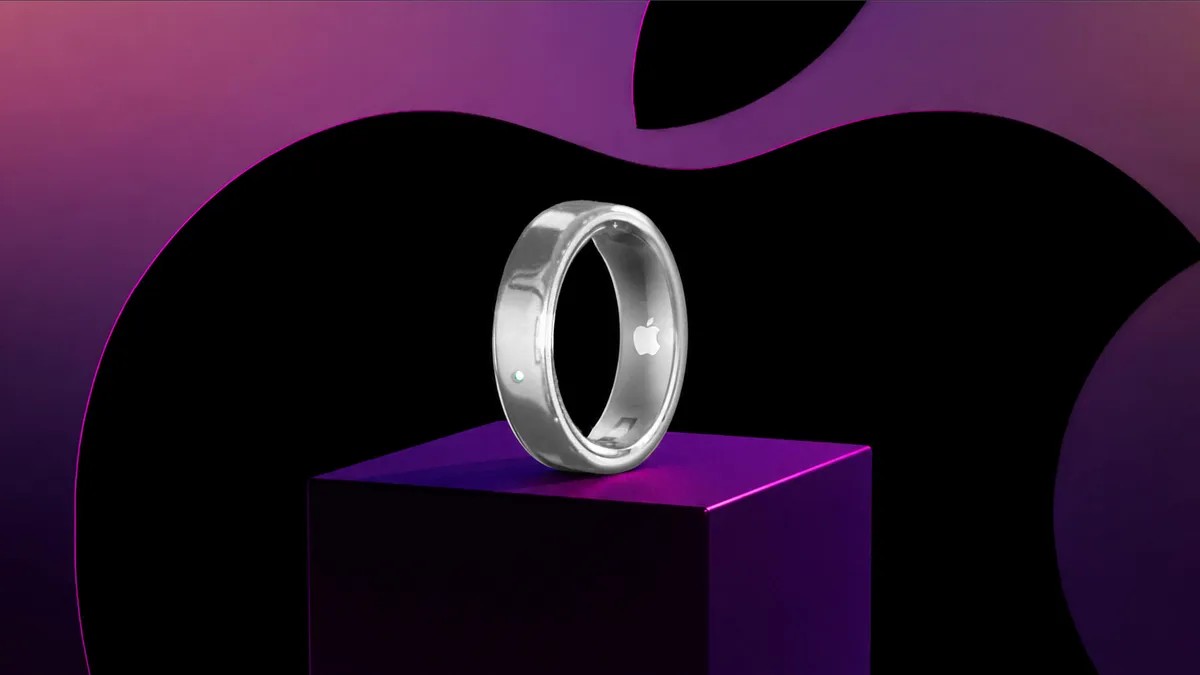
They’ve flirted with it. Patents since 2015. Finger devices. Biometric sensors. NFC. Gesture controls for AR glasses. Lots of patents. Most patents never ship.
The big fear? Cannibalization.
Back in late 2024, Mark Gurman said no. No plans. Execs worried the ring would kill Watch sales. Asking for $300 extra on top of a $400 Watch is a tall order.
I disagree.
They solve different problems. The Watch wins on live action. Notifications. The run. The ring wins on background collection. Sleep. Long-term health.
The market is growing. $519 million now. Nearly $4 billion by 2035. Hard to ignore that curve. Apple pulled the same trick with iPods. Classic. Nano. Shuffle. All selling. None killing the others entirely.
Even Gurman is changing his tune. Mid-2025, he said Apple should seriously look at a ring. New CEO John Ternus? Hardware guy. Built the Watch. The AirPods. Vision Pro. Maybe we are entering a new era.
Short term? I bet on the Watch. Better chips. New health features. Battery tweaks.
Long term? The ring seems inevitable.
They call it the Infinite Loop in my head. Hypothetical, sure.
If it lands, I’ll buy one. First day.
And I wonder what it will take to get them to admit they can’t do it all with just a square on a wrist.