Tokenmaxxing. That is the word.
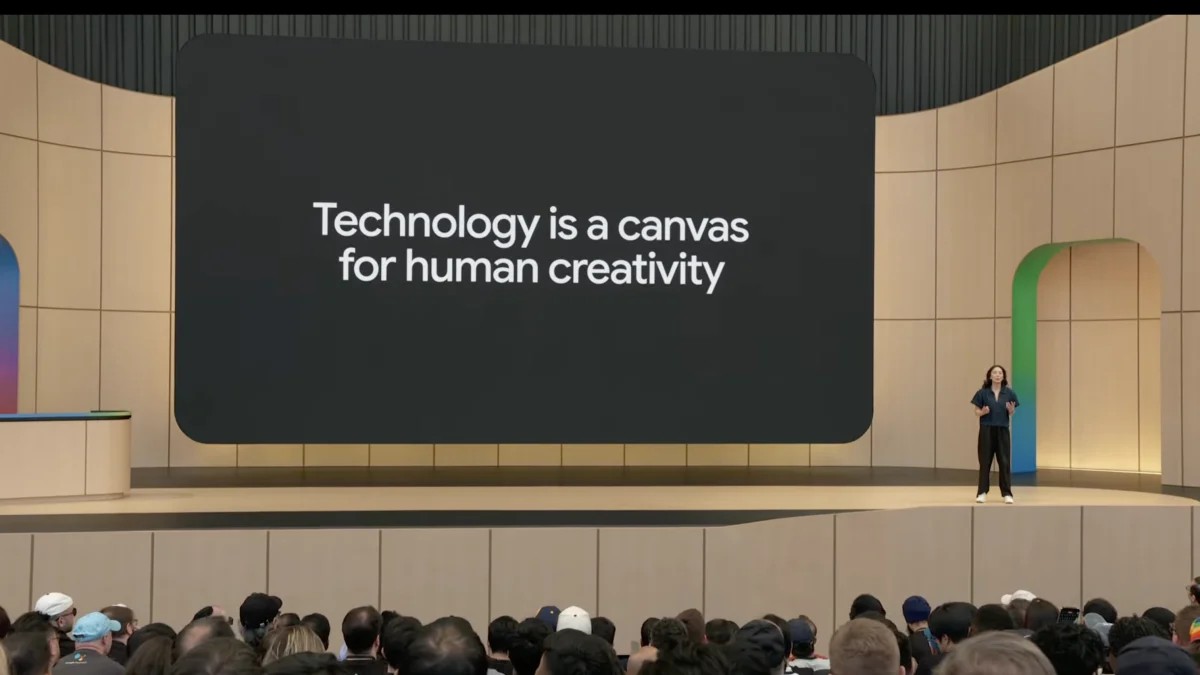
Google CEO Sundar Pichai tossed it around at this year’s I/O. It sounds ridiculous until you remember we are processing quadrillions of operations globally. The point is clear though. Google is all in on AI.
It has taken over your digital life. Or it hasn’t, depending on which apps you touch. Most of the announcements today were dry updates to language models. Boring stuff. Synthetic video generators. Multimodal experiments.
Then there was YouTube.
The most watched video platform in the history of everything got only a few updates. Barely any noise. Yet these might change how we watch things.
Remixing reality with Omni
They unveiled Gemini Omni early. It’s a world model. Two-directional multimodal magic that supposedly creates “anything from any output.”
Now it lives inside YouTube Shorts Remix.
This is a creation tool. It takes existing content and turns it into something else. With Omni attached, the AI prompts are sharper. Stronger. You can remix your shorts with more control.
There is a catch though. The videos get labeled. Automatically. The metadata tags them as AI-generated and links back to the source. Good on them. Transparency matters when faces get scrambled.
YouTube is also rolling out likeness detection to everyone 18 and up.
It helps creators find clips where their face has been altered. Generated by code. It finds the fakes.
Ask the algorithm
The second update isn’t on YouTube. Not really.
It is in the search bar. Google calls it Ask YouTube.
Imagine asking a complex question. Like how to teach a kid to ride a bike. You don’t just get blue links. You get the videos. Embedded. Right in the results page.
The AI generates an interactive response. Tailored. Direct. You watch the tutorial without clicking away. Google claims it “entirely reimagines” the experience. That is strong language.
It is still in testing. Roll out across the US happens this summer.
So now you wait.
We sit on the sidelines and let the models cook. Tokenmaxxing sounds like a lot of work for very little understanding. We watch the videos. The algorithm decides what we need.
Does that make it useful?
Probably. Until the next pivot.