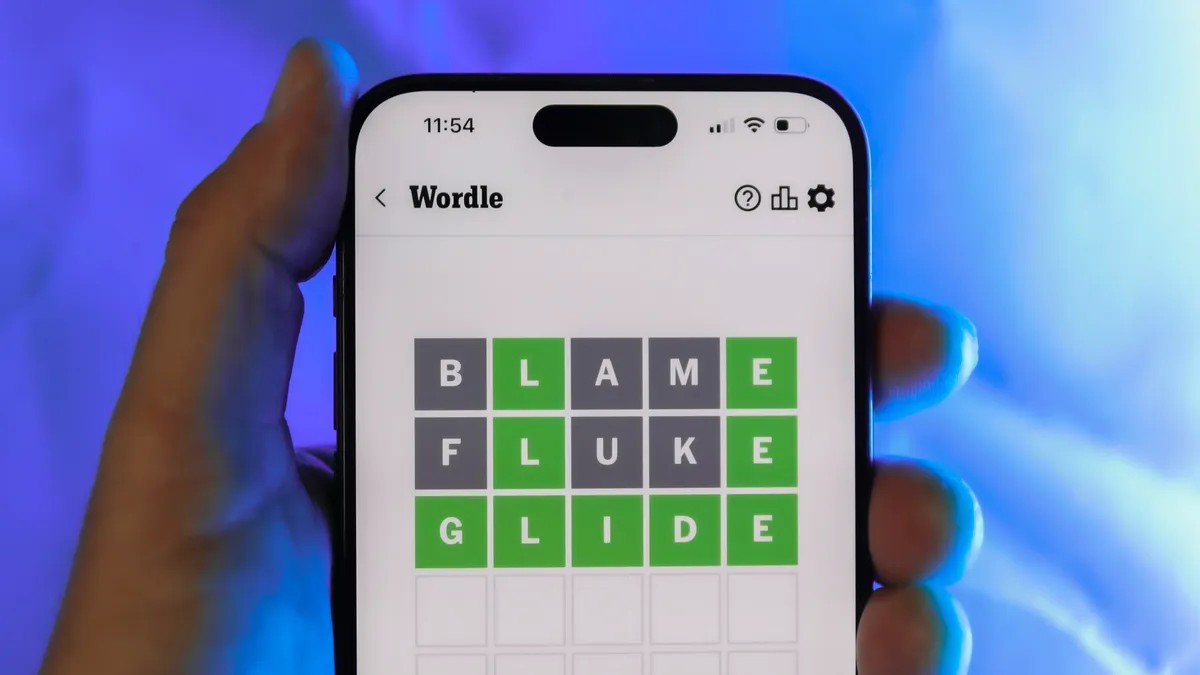
It’s a vowel-heavy day. Which makes sense. Or maybe not. Sometimes puzzles just feel weird, like trying to fit a square peg into a round hole while blindfolded. Today’s puzzle #1821 fits that bill. A bit unusual. Definitely on the brighter side. If you are stuck staring at that green grid wondering why nothing clicks, maybe swap out your usual starter word. Check which letters actually show up in English most often. Don’t just guess. Actually look at the data.
Here are the breadcrumbs we left for you. Before you scroll to the end and spoil the fun for yourself, try to work this out. You know you want to.
The Hints
First thing first: no repeats. Not a single letter comes back twice in today’s word. It’s clean. Uncluttered.
But it isn’t sparse. There are three vowels in the mix. Three. That is a lot for a five-letter word. You’d better place them carefully.
The letter ‘S’ is standing guard at the very start. It sets the tone. And ‘A’? It sits comfortably at the end. Anchoring the whole thing down.
What kind of word is this, anyway? It’s visual. Think colors. Specifically a deep, warm hue. Think reddish-brown. The color of old photos, dried blood, or ink in a cuttlefish’s defense mechanism.
SEPIA
Yesterday’s answer, just to get it out of the way, was QUELL (1820). Before that, it was BREAK, TESTY, ALIGN, and WHARF over the past few days. A decent run of words, if you ask us.
So, what word do you start with?
Stop overthinking it. Use frequency. That is all it is. Math dressed up as a game. You want starter words packed with E, A, and R. Keep Z, J, and Q for later. They are the snitches of the alphabet and they rarely show up without a warrant.
Try these out:
– ADIEU
– TRAIN
– CLOSE
– STARE
– NOISE
Solid. Boring? Maybe. But boring works when you just want to get the green squares. Why fight it?
Anyway, there we are. A deep brown answer for a day that felt strangely bright. Will tomorrow’s be harder? Probably. Will I complain? Also probably. 🖋️