
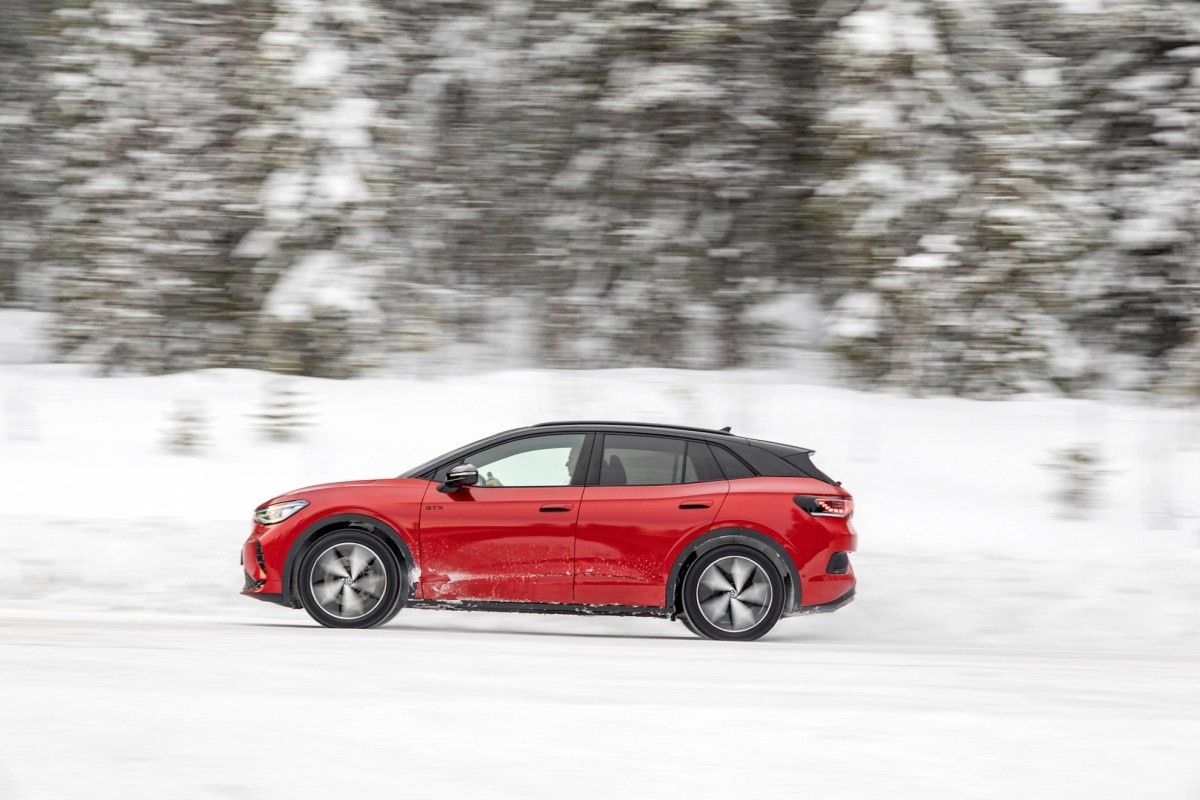
Volkswagen has announced a significant strategic shift for its U.S. operations. The automaker will cease production of the all-electric ID.4 at its manufacturing facility in Chattanooga, Tennessee, redirecting its resources toward high-volume, internal combustion engine (ICE) vehicles, most notably the upcoming Atlas SUV.
While the ID.4 will remain available for purchase until current inventories are depleted—a process Volkswagen expects to last through 2027—the move signals a retreat from the aggressive electrification timelines previously set by the German manufacturer.
The Economic Reality of the EV Market
This decision reflects a broader trend among legacy automakers who are recalibrating their transition to electric vehicles (EVs). While the industry initially forecasted a rapid, unstoppable surge in EV adoption, the reality has been more complex:
- Stagnant Demand: Despite early enthusiasm, sales for many mid-priced EVs have failed to meet lofty projections.
- Price Sensitivity: Consumers are increasingly cautious about high entry costs. The removal of certain federal tax credits has further complicated the math for buyers, pushing them toward used vehicles or more affordable combustion models.
- Fluctuating Sales: The ID.4’s performance in the U.S. has been inconsistent. After a strong 2023 with over 37,000 units sold, sales plummeted by 55% the following year. Although there was a 31% recovery in 2025, the numbers still fell short of previous peaks.
Prioritizing High-Volume Models
By pivoting back to gas-powered models like the Atlas, Volkswagen is prioritizing predictable, high-volume sales. The second-generation Atlas is slated to begin production this summer, with dealership availability expected this fall.
This shift also has direct implications for the Chattanooga workforce. Volkswagen has stated that employees dedicated to ID.4 production will be offered transfers to Atlas-related roles, while some workers will be provided with early retirement buyout options.
What This Means for Volkswagen’s U.S. Strategy
The move does not indicate an exit from the American market, but rather a tactical realignment. Volkswagen Group of America President and CEO Kjell Gruner emphasized that the Chattanooga plant remains a “cornerstone” of the company’s U.S. strategy.
The company is currently exploring new products specifically tailored to American consumer preferences. While official details remain sparse, the focus on “high-volume vehicles” suggests a move toward more affordable, compact SUVs that align with current market demand.
Although Volkswagen maintains that it will eventually bring future electric models to North America, the immediate priority has clearly shifted toward stabilizing its market share through traditional, more affordable vehicle segments.
Conclusion
Volkswagen’s pivot highlights a growing tension between long-term electrification goals and the immediate economic realities of consumer demand. By prioritizing the gas-powered Atlas, the company is choosing short-term stability and volume over the rapid scaling of its electric lineup.