



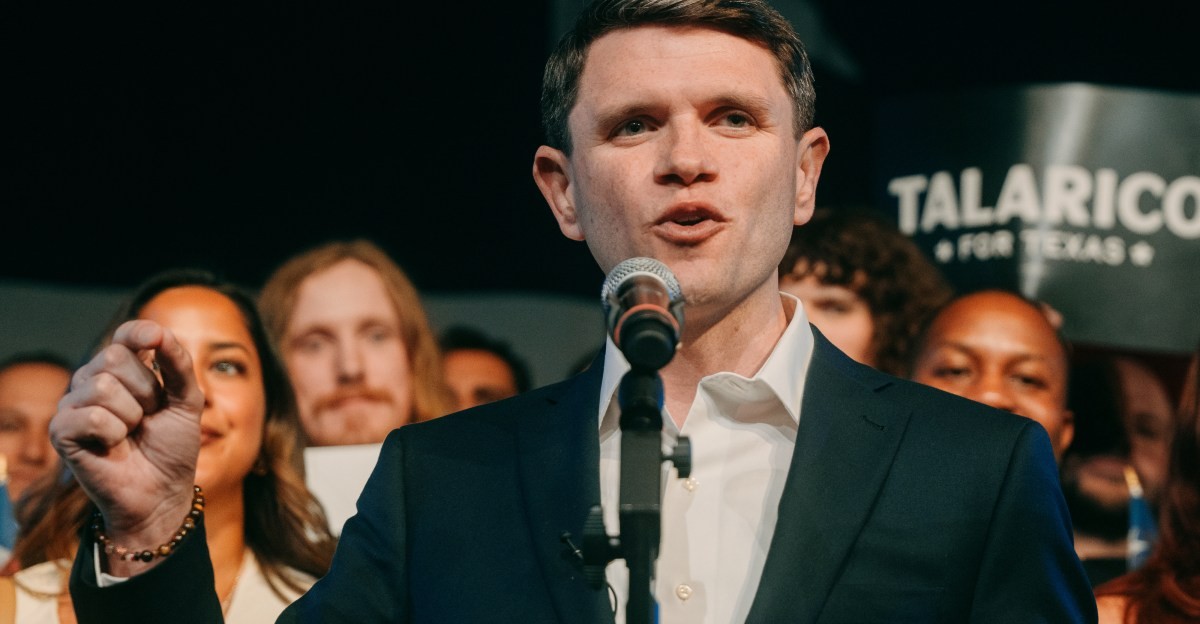
A recent controversy involving Texas Democratic Senate candidate James Talarico highlights the deeply entrenched cultural and political significance of meat consumption in the United States. Talarico’s past endorsement of a “non-meat” campaign, resurfaced recently, sparked immediate backlash from opponents and raised questions about the feasibility of discussing dietary choices in a state synonymous with cattle ranching.
The Controversy Unfolds
In 2022, Talarico announced his reelection campaign would exclusively use “vegan products from local vegan businesses,” citing climate change concerns and animal welfare. While not personally vegan, this stance drew sharp criticism from figures like Senator Ted Cruz, who dismissed it as an attack on Texas barbecue, and Senator John Cornyn, who quipped that “the steaks couldn’t be higher.” Talarico’s campaign responded with a photo of him eating meat, seemingly attempting to quell concerns while also appearing satirical.
This incident mirrors past reactions to similar statements, such as Colorado Governor Jared Polis’s “MeatOut” day in 2021, which prompted the livestock lobby to demand a “Colorado Livestock Proud Day” and the governor’s brisket recipe. The core issue is clear: advocating for reduced meat consumption, even as a political tactic, triggers strong opposition in regions heavily reliant on the meat industry.
The Uncomfortable Truth About US Meat Production
The uproar over Talarico’s stance underscores Americans’ reluctance to confront the realities of the meat industry. The vast majority of animals raised for consumption endure brutal conditions on factory farms: piglets castrated without anesthesia, hens confined to cages, breeding chickens starved, and calves dehorned painlessly. Despite widespread opposition to these practices, industry lobbying ensures their legality.
Even in Texas, where cattle are often treated comparatively better, investigations have revealed severe cruelty in some operations. Moreover, meat production contributes significantly to climate change, water pollution, and declining air quality, particularly in rural areas. Yet, most Americans avoid confronting these issues, while politicians and special interests deflect criticism with simplistic rhetoric about “real American” diets.
Beyond Binary Thinking: Towards Nuanced Solutions
The debate over meat is often framed as an all-or-nothing proposition: veganism versus unrestricted consumption. However, a range of solutions exist that do not require such extremes. Lawmakers can ban cruel farming practices, reduce pollution from livestock waste, or expand plant-based options in schools. Texas itself is evolving, with thriving plant-based culinary scenes in Austin and Houston.
Some ranchers, like Renee and Tommy Sonnen, are even transitioning their operations into animal sanctuaries, demonstrating that attitudes are shifting. The Sonnens’ story illustrates the complexity of human-animal relationships and challenges the notion that Texas is solely defined by its meat-heavy culture.
The broader takeaway is that America is not yet ready for an honest discussion about the ethical and environmental costs of industrial meat production. But if we hope to move toward a more sustainable and compassionate future, we must overcome the political and cultural barriers that prevent meaningful dialogue.


